

What Are the Environmental Impacts and Safety Considerations of Polymer Ferric Sulphate
2026-01-13
As a premier water treatment chemical supplier, TONGGE is often asked about the sustainability profile of our products. A frequent topic is Polymer Ferric Sulphate (PFS), a highly effective coagulant. Understanding its environmental and safety aspects is crucial for responsible usage. This analysis aligns with our commitment to providing not only effective but also conscientiously applied solutions.
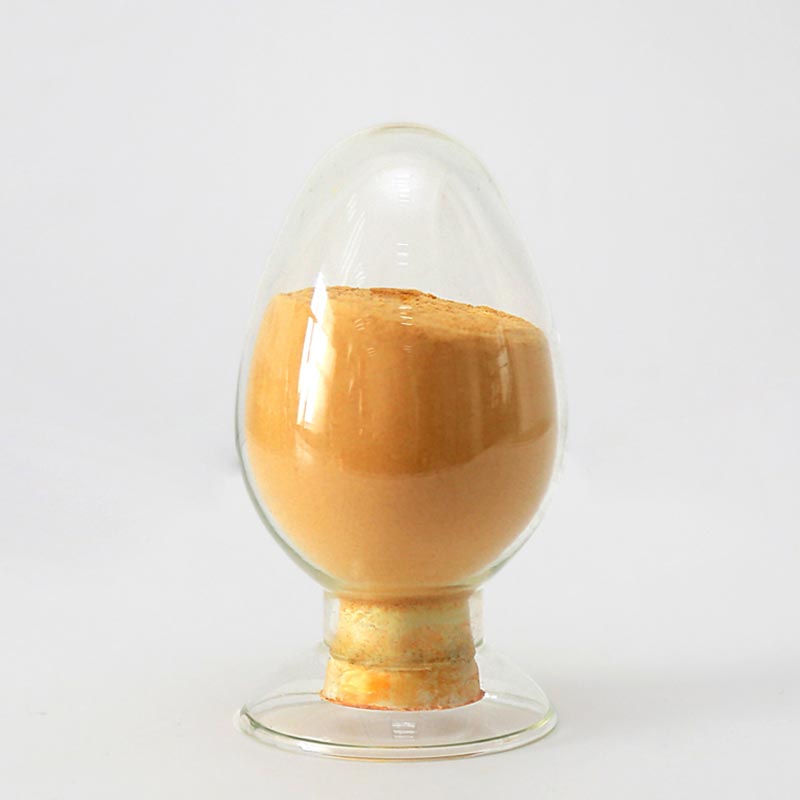
Environmental Impacts of Polymer Ferric Sulphate
When used correctly, PFS has a notably positive environmental impact profile. Its primary benefit is enabling cleaner water discharge, protecting aquatic ecosystems. Key points include:
-
Reduced Sludge Volume: Compared to traditional coagulants like alum, PFS often generates denser flocs and less sludge, decreasing the burden on landfill sites.
-
Lower Residual Metal: It operates effectively across a wider pH range, which can lead to lower residual iron in treated water, meeting stringent discharge standards.
-
Efficiency & Carbon Footprint: Its high efficiency means lower dosage requirements, potentially reducing the overall chemical transportation and handling footprint.
However, responsible management is paramount. Overdosing can lead to increased acidity (lower pH) in water and elevated iron concentrations, which may affect receiving water bodies. Therefore, optimal dosing, often determined through jar testing, is essential.
Safety Considerations for Handling and Storage
Safety is a core principle at TONGGE. While Polymer Ferric Sulphate is generally safer to handle than many acidic coagulants, it still requires proper protocols.
| Consideration | Liquid Form | Solid Form |
|---|---|---|
| Primary Hazard | Corrosive to metals. Can irritate skin and eyes. | Dust may irritate respiratory system, eyes, and skin. |
| Personal Protective Equipment (PPE) | Chemical goggles, gloves, boots, and protective clothing. | Safety glasses, dust mask, gloves, and protective clothing. |
| Storage Requirements | Store in corrosion-resistant tanks away from alkalis. | Keep in a dry, ventilated area away from moisture and incompatible substances. |
| Spill Response | Contain with inert material. Neutralize residue with alkali. | Sweep up, avoid dust generation, and place in a sealed container. |
Always refer to the specific Material Safety Data Sheet (MSDS) provided by your supplier, such as TONGGE, for the most detailed safety information.
Polymer Ferric Sulphate FAQ
Is Polymer Ferric Sulphate toxic to aquatic life?
When applied at recommended dosages for wastewater treatment, it significantly improves water quality by removing contaminants, thus benefiting aquatic life. The key is to avoid overdose, as excessive iron can be harmful, which is why proper treatment process control is critical.
Can Polymer Ferric Sulphate affect the pH of treated water?
Yes, it is mildly acidic. While its impact is less pronounced than some other metal salts, it can lower the pH of the water being treated. This is typically managed through process monitoring and adjustments, ensuring the final effluent meets required pH discharge limits.
What is the shelf life of Polymer Ferric Sulphate and how does storage affect its safety?
The liquid form typically has a shelf life of 6-12 months when stored correctly in sealed, corrosion-resistant containers. Solid form can last longer if kept dry. Improper storage leading to contamination, leakage, or moisture ingress can create safety hazards and reduce product efficacy, underscoring the importance of following supplier guidelines.
Choosing the right coagulant involves balancing efficacy, cost, and responsibility. At TONGGE, we provide high-quality Polymer Ferric Sulphate alongside the technical support and safety documentation necessary for its effective and secure application. We are committed to partnering with you to achieve your water treatment goals sustainably.
Ready to optimize your water treatment process with a reliable and responsibly managed coagulant? Contact our expert team at TONGGE today for a consultation and to request a sample.