What Are the Environmental Impacts of Crystalled Ammonium Chloride Production
2026-03-16
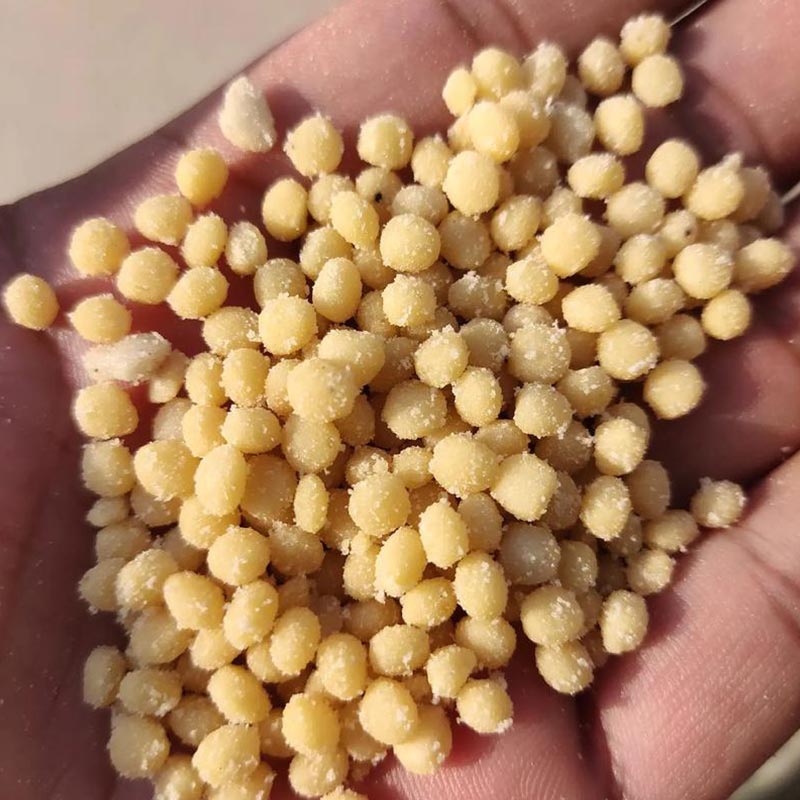
As industries worldwide continue to seek efficient chemical solutions, Crystalled Ammonium Chloride has emerged as a critical component in fertilizers, pharmaceuticals, and metal processing. However, understanding the environmental impacts of its production is essential for sustainable industrial growth. At RONGDA, we prioritize eco-friendly manufacturing practices while delivering high-quality Crystalled Ammonium Chloride to global markets.
Key Environmental Considerations in Production
The manufacturing of Crystalled Ammonium Chloride involves several processes that can affect the environment. Below is a comprehensive analysis of the primary areas of concern:
| Environmental Factor | Potential Impact | Mitigation Strategy |
|---|---|---|
| Air Emissions | Release of ammonia and chlorine compounds | Installation of scrubbers and filtration systems |
| Water Usage | High consumption in crystallization processes | Implementation of closed-loop water recycling |
| Waste Generation | Byproduct disposal challenges | Utilization of waste in other industrial applications |
| Energy Consumption | Significant power requirements for drying | Adoption of energy-efficient technologies |
Sustainable Manufacturing at RONGDA
RONGDA has invested heavily in reducing the environmental footprint of Crystalled Ammonium Chloride production. Our facility employs advanced treatment systems that minimize emissions and optimize resource utilization. We believe that responsible manufacturing is not just a regulatory requirement but a moral obligation to future generations.
Waste Management and Circular Economy
One of the most significant innovations in our production line is the integration of circular economy principles. Byproducts that were once considered waste are now repurposed for other industrial processes, reducing landfill contributions and creating additional value streams.
Frequently Asked Questions
Q: Does Crystalled Ammonium Chloride production contribute to water pollution?
A: When proper treatment protocols are not followed, production can release nitrogen compounds into water systems. However, at RONGDA, we employ advanced effluent treatment plants that remove over 99% of contaminants before water is discharged or recycled. Our zero-liquid discharge system ensures that no polluted water leaves our facility, protecting local aquatic ecosystems from potential harm.
Q: What measures can manufacturers take to reduce air pollution during Crystalled Ammonium Chloride production?
A: Manufacturers can implement multiple control technologies including wet scrubbers for ammonia recovery, electrostatic precipitators for particulate matter, and thermal oxidizers for volatile organic compounds. RONGDA utilizes a multi-stage filtration system that captures and recycles ammonia emissions, converting potential pollutants back into usable product. Continuous emissions monitoring ensures compliance with international environmental standards.
Q: How does the carbon footprint of Crystalled Ammonium Chloride compare to other nitrogen fertilizers?
A: The carbon footprint varies significantly based on production methods and energy sources. Traditional production methods can generate approximately 2-3 tons of CO2 per ton of product. However, RONGDA has reduced this by 40% through energy recovery systems and renewable energy integration. When compared to urea production, Crystalled Ammonium Chloride often has a lower overall environmental impact because it requires less energy-intensive synthesis processes and can utilize industrial byproducts as raw materials.
Industry Best Practices
Leading manufacturers follow specific protocols to minimize environmental harm:
-
Regular environmental audits and compliance checks
-
Investment in renewable energy sources
-
Community engagement and transparent reporting
-
Continuous research into cleaner production technologies
RONGDA is proud to be at the forefront of these initiatives, setting benchmarks for the industry while maintaining product excellence.
Contact Us
Ready to learn more about sustainable Crystalled Ammonium Chloride solutions? Contact us today to discuss how RONGDA can meet your industrial requirements while protecting the environment for tomorrow. Our team of experts is available to answer your questions and provide detailed information about our eco-friendly manufacturing processes.