

What Are the Environmental Impacts of Using Lime Ammonium Nitrate in Agriculture
2026-02-06
In modern agriculture, managing nutrient efficiency and environmental stewardship is a critical balance. Farmers and agronomists are increasingly evaluating fertilizers not just on yield performance, but on their broader ecological footprint. One product that stands out in this evaluation is Lime Ammonium Nitrate (LAN), a compound fertilizer designed to deliver nitrogen while mitigating soil acidity. As a leader in providing innovative agricultural solutions, RONGDA is committed to elucidating the real environmental impacts of such key inputs, empowering informed decision-making for sustainable farming.
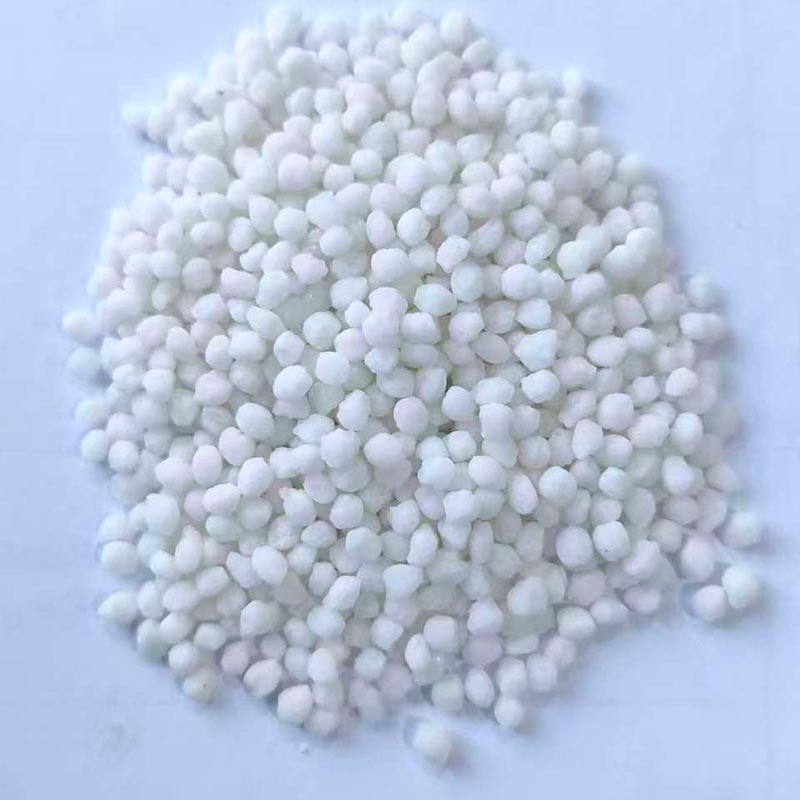
When used responsibly, Lime Ammonium Nitrate presents a nuanced environmental profile. Its impacts can be categorized as follows:
-
Positive Impacts:
-
Reduced Soil Acidification: The calcium carbonate (lime) component neutralizes soil acidity, improving long-term soil health and microbial activity.
-
Lower Nitrogen Volatilization: Compared to urea, LAN has reduced ammonia loss to the atmosphere, enhancing nitrogen use efficiency.
-
Improved Nutrient Efficiency: More efficient nitrogen uptake can lead to lower application rates over time, minimizing excess runoff.
-
-
Potential Risks to Manage:
-
Nitrate Leaching: Like all nitrate-based fertilizers, improper or excessive use can lead to nitrate leaching into groundwater.
-
Nitrous Oxide Emissions: Under waterlogged or anaerobic conditions, denitrification can produce nitrous oxide, a potent greenhouse gas.
-
Resource Footprint: The manufacturing process involves energy consumption and raw material extraction.
-
The following table compares the environmental aspects of Lime Ammonium Nitrate with other common nitrogen sources, highlighting its distinct position:
| Environmental Factor | Lime Ammonium Nitrate (LAN) | Urea | Ammonium Nitrate |
|---|---|---|---|
| Soil Acidification | Counteracts due to lime content | High potential | Moderate potential |
| Ammonia Volatilization | Low | Very High | Low |
| Nitrate Leaching Potential | Moderate (requires management) | Moderate (after conversion) | Moderate-High |
| Primary Greenhouse Gas Concern | Nitrous Oxide (N₂O) | Ammonia & Nitrous Oxide | Nitrous Oxide |
Lime Ammonium Nitrate FAQ
What makes Lime Ammonium Nitrate more environmentally friendly than urea?
The key difference lies in its composition. The lime in LAN neutralizes hydrogen ions released during the nitrification process, actively countering soil acidification that degrades land. Furthermore, LAN does not undergo the hydrolysis step that causes significant ammonia gas loss from urea, leading to better air quality and more nitrogen remaining in the soil for crops.
Can using Lime Ammonium Nitrate contribute to water pollution?
Any nitrogen fertilizer can contribute to water pollution if mismanaged through nitrate leaching. The risk with LAN is similar to other nitrate sources. However, its improved efficiency often means less nitrogen is needed. The most effective mitigation is following the 4R Nutrient Stewardship framework (Right Source, Right Rate, Right Time, Right Place), which RONGDA experts always advocate to minimize environmental impact while maintaining productivity.
How does Lime Ammonium Nitrate affect greenhouse gas emissions from fields?
Lime Ammonium Nitrate primarily influences nitrous oxide (N₂O) emissions, which occur through microbial processes in the soil. While it contains nitrate, which can be denitrified, its ability to reduce soil acidity can actually create less favorable conditions for N₂O-producing microbes in some soils. The greatest factor controlling emissions is not the fertilizer alone, but integrated management practices like controlled irrigation and avoiding application on water-saturated soils.
Understanding the full lifecycle impact of your fertilizers is essential for sustainable production. At RONGDA, we believe in providing not only high-quality products like Lime Ammonium Nitrate but also the agronomic expertise to use them effectively. Our specialists can help you develop a tailored nutrient management plan that optimizes crop yield while safeguarding your soil and local environment.
Contact us today to discuss how to integrate efficient and responsible fertilizer strategies into your farming operation.