What Are the Environmental Impacts of Using Sodium Metasilicate Anhydrous
2026-02-10
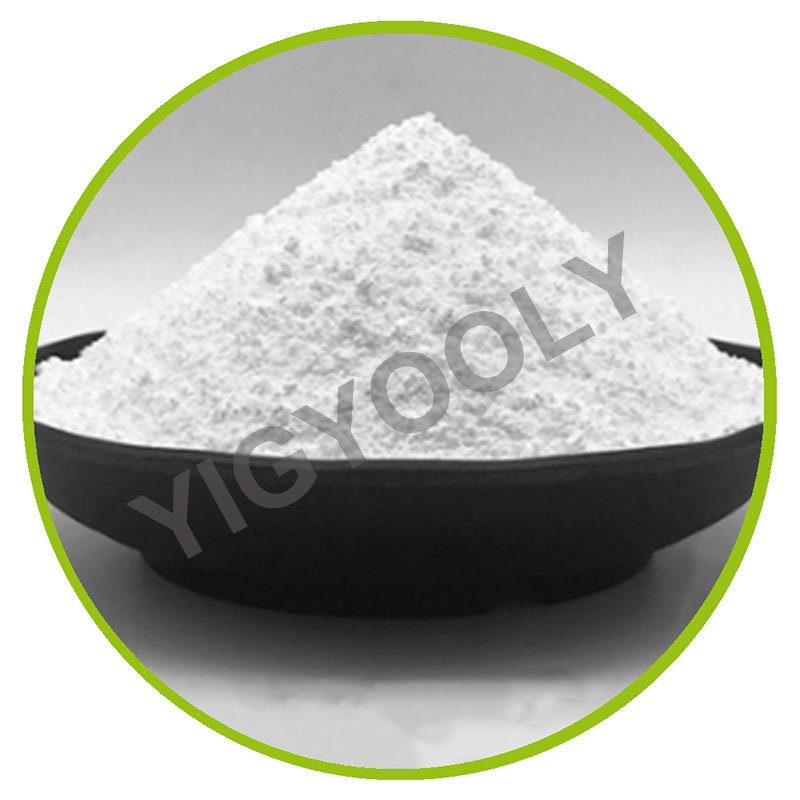
In the world of industrial and cleaning chemicals, Sodium Metasilicate Anhydrous is valued for its powerful alkalinity and detergent properties. However, as environmental stewardship becomes paramount for responsible businesses, understanding its ecological impact is crucial. At YIGYOOLY, we believe in providing not only high-quality chemical solutions but also transparent information to help our partners make informed decisions. This blog examines the key environmental considerations associated with Sodium Metasilicate Anhydrous.
Primary Environmental Considerations
The environmental profile of Sodium Metasilicate Anhydrous is generally favorable compared to harsher alternatives, but responsible management is key. Its main impacts are related to its high pH and solubility.
-
Aquatic Toxicity & pH Alteration: Being highly alkaline, significant discharges can rapidly increase the pH of water bodies, harming aquatic life that requires a stable pH environment.
-
Biodegradability & Eutrophication: While the silicate component is not a major nutrient like phosphate, it can contribute to mineral loading in water. The compound itself is not readily biodegradable but is considered to have low bioaccumulation potential.
-
Soil Impact: In controlled amounts, it can help in soil stabilization. However, excessive amounts can alter soil alkalinity, affecting microbial health and plant growth.
Comparative Environmental Profile Table
| Property | Impact Assessment | Key Consideration |
|---|---|---|
| Aquatic Toxicity | Low to Moderate | Primary risk is from pH shock, not systemic toxicity. |
| Biodegradability | Not readily biodegradable | Breaks down into natural silicate and sodium ions. |
| Eutrophication Potential | Low | Does not contribute significant phosphorus or nitrogen. |
| Handling & Disposal | Requires Neutralization | Must be neutralized before aqueous disposal to prevent pH spikes. |
Sodium Metasilicate Anhydrous FAQ
Q: Is Sodium Metasilicate Anhydrous considered an environmentally hazardous substance?
A: In its concentrated form, it is often classified as an irritant and a substance hazardous to aquatic environments due to its alkalinity. However, when properly diluted, neutralized, and managed in wastewater treatment systems, its environmental risk is significantly mitigated.
Q: How does YIGYOOLY ensure the environmentally responsible sourcing of its Sodium Metasilicate Anhydrous?
A: YIGYOOLY partners with manufacturers who adhere to stringent environmental management systems (ISO 14001). We prioritize suppliers who utilize efficient production processes to minimize energy consumption and waste generation, ensuring a responsible supply chain from the start.
Q: What is the best practice for disposing of waste containing Sodium Metasilicate Anhydrous?
A: The fundamental practice is neutralization. Small quantities should be diluted with large amounts of water and neutralized with a mild acid (like citric acid) to a near-neutral pH before disposal into the sewage system, following all local regulations. For industrial waste, professional waste management services must be consulted.
In conclusion, while Sodium Metasilicate Anhydrous presents a lower environmental risk than many alternatives, its high pH requires diligent handling. Choosing a knowledgeable supplier like YIGYOOLY ensures you receive not only a premium product but also the essential guidance for its safe and sustainable use. We are committed to partnering with your business to navigate environmental responsibilities effectively.
Contact us today to discuss how YIGYOOLY's Sodium Metasilicate Anhydrous and our technical expertise can support your operational needs while aligning with your sustainability goals.