

What Are the Key Benefits of Using Cationic Polyacrylamide Industrial Flocculant in Papermaking Wastewater
2026-09-17
Papermaking wastewater is one of the most difficult industrial effluents to treat, containing fine fibers, fillers, lignin derivatives, and colloidal particles that resist natural settling. Ewooan has spent years supplying Cationic Polyacrylamide Industrial Flocculant to mills that need faster clarification, drier sludge, and lower treatment costs. This guide breaks down the practical benefits that make Cationic Polyacrylamide Industrial Flocculant a standard choice in papermaking wastewater systems.
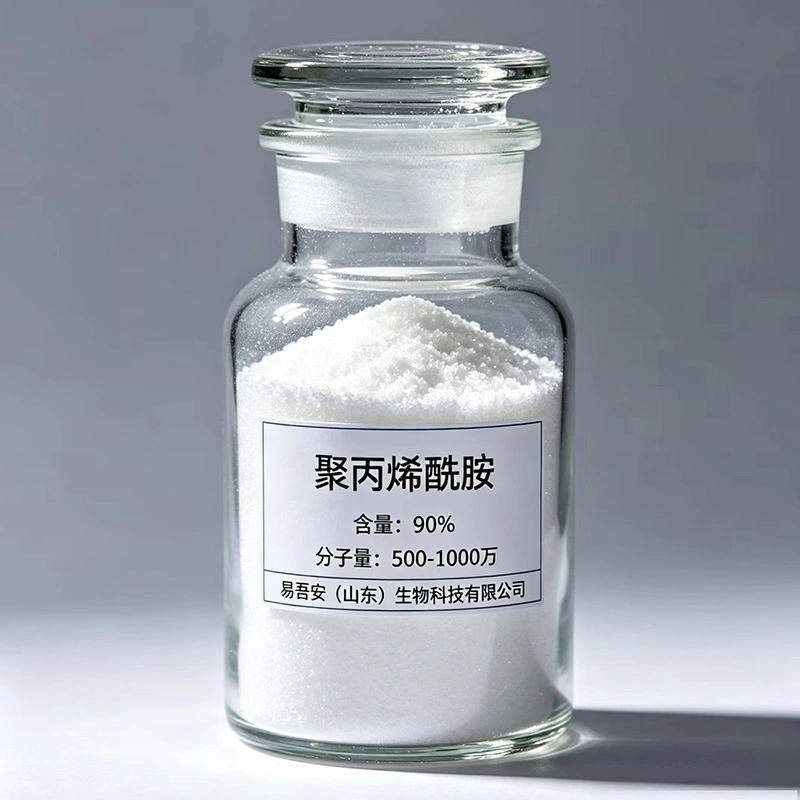
Why Papermaking Wastewater Demands a Cationic Solution
Papermaking effluent carries negatively charged colloidal particles. Cationic Polyacrylamide Industrial Flocculant neutralizes those charges and bridges particles into dense, fast-settling flocs. The result is cleaner treated water and a sludge stream that is easier to handle.
Key Benefits at a Glance
| Benefit | What It Means for Paper Mills |
|---|---|
| Charge neutralization | Destabilizes fine fibers and fillers for rapid aggregation |
| Strong bridging effect | Builds larger flocs that settle faster in clarifiers |
| Improved sludge dewatering | Produces drier cake and reduces hauling costs |
| Wide pH tolerance | Performs across acidic to neutral papermaking conditions |
| Lower dosage requirements | Cuts chemical spend per cubic meter treated |
| Reduced COD and turbidity | Supports compliance with discharge limits |
| Compatibility with DAF and sedimentation | Fits existing treatment trains without redesign |
Detailed Benefits of Cationic Polyacrylamide Industrial Flocculant
1. Faster Clarification and Higher Throughput
Cationic Polyacrylamide Industrial Flocculant accelerates solid-liquid separation, allowing clarifiers and dissolved air flotation units to handle higher flow rates without sacrificing effluent quality.
2. Superior Sludge Dewatering Performance
Papermill sludge is notoriously hard to dewater. The cationic charge of Cationic Polyacrylamide Industrial Flocculant conditions sludge so belt presses and screw presses release water more freely, producing a drier cake with lower disposal weight.
3. Cost Reduction Across the Treatment Line
By improving floc density and settling speed, Cationic Polyacrylamide Industrial Flocculant reduces the need for inorganic coagulants. Many mills report lower total chemical consumption and reduced energy demand for pumping and dewatering.
4. Reliable Performance Under Variable Conditions
Papermaking processes shift between grades, furnish mixes, and pH levels. Cationic Polyacrylamide Industrial Flocculant maintains stable flocculation across these variations, minimizing operator intervention.
5. Support for Environmental Compliance
Effective removal of suspended solids, COD, and turbidity helps mills meet discharge permits. Cationic Polyacrylamide Industrial Flocculant plays a direct role in achieving those targets.
Selection and Dosing Considerations
| Parameter | Recommended Approach |
|---|---|
| Charge density | Match to colloidal charge of the white water or effluent |
| Molecular weight | Higher MW for bridging; medium MW for charge control |
| Dosage | Jar testing to determine optimal ppm range |
| Makeup concentration | Typically 0.1–0.5% solution for effective activation |
| Injection point | After coagulant addition, with adequate mixing energy |
Ewooan provides technical support to tailor Cationic Polyacrylamide Industrial Flocculant selection to each mill’s specific effluent profile.
Frequently Asked Questions
What is Cationic Polyacrylamide Industrial Flocculant used for in papermaking wastewater?
Cationic Polyacrylamide Industrial Flocculant is used to neutralize anionic colloidal particles, aggregate fine fibers and fillers into settleable flocs, and condition sludge for efficient dewatering in paper mill effluent treatment.
How does Cationic Polyacrylamide Industrial Flocculant improve sludge dewatering?
Cationic Polyacrylamide Industrial Flocculant binds with negatively charged sludge particles, releasing bound water and forming a porous cake structure that allows mechanical presses to achieve higher dry solids content.
Can Cationic Polyacrylamide Industrial Flocculant reduce treatment costs in paper mills?
Yes. Cationic Polyacrylamide Industrial Flocculant lowers coagulant demand, improves settling efficiency, and reduces sludge volume, which collectively decreases chemical, energy, and disposal costs.
Is Cationic Polyacrylamide Industrial Flocculant effective across different paper grades?
Cationic Polyacrylamide Industrial Flocculant performs reliably across recycled, virgin, and coated paper grades when the charge density and molecular weight are selected correctly for the specific effluent.
How should Cationic Polyacrylamide Industrial Flocculant be stored and prepared?
Cationic Polyacrylamide Industrial Flocculant should be stored in a dry, cool area and prepared as a dilute solution using clean water and gentle agitation to avoid polymer degradation before dosing.
Contact Us
Ready to optimize your papermaking wastewater treatment with Cationic Polyacrylamide Industrial Flocculant? Contact Ewooan today for product samples, technical data sheets, and customized dosing recommendations. Our team will help you select the right grade, reduce operating costs, and achieve consistent compliance.