

What Are the Most Common Side Effects Associated With Epiandrosterone
2026-03-12
As the fitness community increasingly turns to niche supplements for an edge, Epiandrosterone has gained significant attention for its ability to support lean muscle and strength without the harsh estrogenic effects of other compounds. However, before integrating any hormone modulator into your regimen, understanding the potential physiological repercussions is crucial. At Humanwell, we prioritize consumer education, ensuring you are fully informed about both the benefits and the risks associated with Epiandrosterone.
While many users tolerate this compound well, particularly at moderate dosages, the androgenic nature of Epiandrosterone means it can interact with the body’s endocrine system in ways that lead to noticeable side effects.
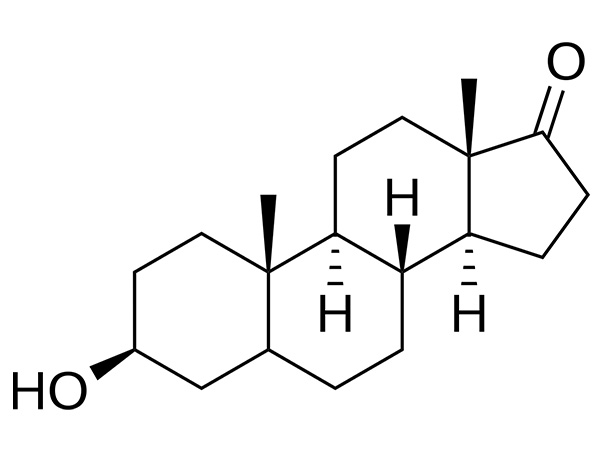
The Physiological Impact of Epiandrosterone
To understand the side effects, one must first recognize that Epiandrosterone is a natural metabolite of DHEA. It acts as a weak androgen receptor agonist. This mechanism is what promotes protein synthesis and fat loss, but it is also the root cause of most androgenic side effects listed below.
Common Side Effects Overview
The severity of side effects is typically dose-dependent. Below is a breakdown of the most frequently reported issues among users.
| Side Effect Category | Specific Symptoms | Frequency |
|---|---|---|
| Androgenic | Oily skin, Acne, Increased body hair growth | Common |
| Lipid Profile | Reduction in HDL (Good) Cholesterol, Increase in LDL | Moderate |
| Hormonal | Lethargy (post-cycle), Suppression of natural production | Moderate |
| Hepatic | Elevated liver enzymes (in rare, high-dose cases) | Rare |
Detailed Breakdown of Side Effects
1. Androgenic Dermatological Issues
The most immediate physical signs of Epiandrosterone use are often dermatological. Because it converts into metabolites that bind to receptors in the skin, users frequently report a spike in sebum production. This can lead to cystic acne on the back, shoulders, and face, particularly in individuals genetically predisposed to acne.
2. Impact on Cholesterol
From a cardiovascular standpoint, Epiandrosterone can be harsh on lipid profiles. Clinical observation suggests it has a tendency to suppress HDL cholesterol significantly while raising LDL. This is a transient effect that usually reverses upon cessation, but it is a critical marker to monitor for overall heart health.
3. Hormonal Suppression and Testicular Atrophy
As an exogenous androgen, introducing Epiandrosterone signals to the pituitary gland that there is less need to produce luteinizing hormone. This feedback loop results in natural testosterone suppression. Users often experience lethargy and a decrease in libido toward the end of a cycle as their endogenous production slows down.
FAQs About Epiandrosterone Side Effects
Q: Will the hair loss caused by Epiandrosterone be permanent?
A: The hair loss associated with Epiandrosterone is typically linked to its androgenic activity, which can accelerate male pattern baldness in those who are genetically sensitive. This occurs when the compound interacts with follicles on the scalp. In most cases, this shedding is temporary and hair density returns to baseline once the compound is cleared from the system and hormone levels stabilize. However, if you have a strong family history of baldness, the hair loss may trigger a permanent miniaturization of the follicles.
Q: How long do the side effects last after I stop taking Epiandrosterone?
A: The duration of side effects largely depends on the length of your cycle and the dosage used. Acute sides, such as oily skin and aggression, usually subside within a few days as the compound leaves your system. However, hormonal sides, specifically the suppression of natural testosterone, can persist for several weeks. This is why post-cycle therapy (PCT) is often recommended to restore the hypothalamic-pituitary-gonadal axis. Without proper recovery, fatigue and low libido can linger for one to three months.
Q: Can I mitigate the negative impact of Epiandrosterone on my cholesterol?
A: Yes, lifestyle interventions play a significant role in mitigating lipid damage while using Epiandrosterone. Incorporating high doses of omega-3 fatty acids (fish oil), soluble fiber (like oats and legumes), and consistent cardiovascular exercise can help maintain healthier HDL levels. It is also advisable to avoid high-saturated-fat diets during the cycle. Despite these efforts, some lipid fluctuation is expected, so pre- and post-cycle blood work is the gold standard for safety.
Prioritizing Safety with Humanwell
Navigating the complexities of hormonal health requires a partner you can trust. At Humanwell, we are committed to providing high-quality resources and support to help you make informed decisions. Understanding the side effects of compounds like Epiandrosterone is the first step toward responsible use.
If you have specific health concerns or need guidance on safe supplementation practices, do not hesitate to reach out to our team of experts.
Contact Us today for personalized advice and to learn more about our commitment to wellness and safety.