

What Are the Synthesis Methods for High-Purity Tin Dioxide Nanoparticles
2025-12-05
Achieving high-purity Tin Dioxide Nanoparticles is fundamental for advanced research and industrial applications, from sensitive gas sensors to high-efficiency catalysts. The synthesis method directly governs critical properties like particle size, morphology, and crystallinity. At SAT NANO, we specialize in producing superior Tin Dioxide Nanoparticle powders, leveraging cutting-edge techniques to ensure unmatched consistency and performance for our clients.
The quest for optimal Tin Dioxide Nanoparticles revolves around several core synthesis approaches. Each method offers distinct advantages tailored to specific application needs.
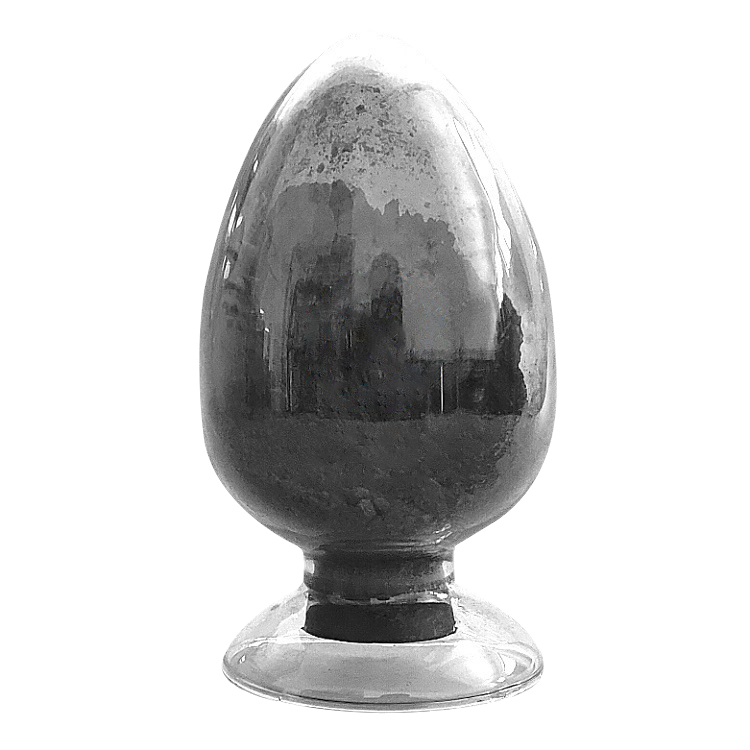
Common Synthesis Techniques:
-
Sol-Gel Process: This versatile method allows precise control over composition and particle size at relatively low temperatures, ideal for producing homogeneous nanomaterials.
-
Hydrothermal Synthesis: Conducted in aqueous solutions under high pressure and temperature, this technique excels in creating crystalline Tin Dioxide Nanoparticles with controlled morphology without the need for post-annealing.
-
Precipitation Method: A cost-effective and scalable route where a precipitating agent is used to form Tin Dioxide precursors from salt solutions, followed by calcination.
-
Spray Pyrolysis: A continuous process where a precursor solution is aerosolized and dried in a hot reactor, resulting in spherical, high-purity nanoparticles excellent for thin-film applications.
SAT NANO Product Parameters:
Our flagship SAT NANO SnO2 Nanopowder is engineered to meet the most demanding specifications, as detailed below.
| Parameter | Specification (SAT NANO S-SnO2) | Significance |
|---|---|---|
| Purity | ≥ 99.9% | Ensures minimal catalytic poisoning and consistent electrical properties. |
| Average Particle Size | 20-50 nm (TEM) | Directly impacts surface area, reactivity, and sintering behavior. |
| Surface Area | 30-60 m²/g | Higher surface area enhances performance in sensing and catalytic applications. |
| Crystal Phase | Tetragonal (Rutile) | Determines the electronic and optical characteristics of the material. |
| Morphology | Spherical / Faceted | Influences packing density and interparticle contacts in fabricated devices. |
Tin Dioxide Nanoparticle FAQ
Q: What is the primary advantage of using nanoparticles over bulk Tin Dioxide?
A: The drastically increased surface-to-volume ratio of Tin Dioxide Nanoparticles significantly enhances their surface reactivity and gas adsorption capacity. This makes them far more effective as active materials in sensors, catalysts, and battery electrodes compared to their bulk counterparts.
Q: How does particle size influence the performance of Tin Dioxide in gas sensors?
A: Smaller Tin Dioxide Nanoparticles (like the 20-50 nm range offered by SAT NANO) provide a larger active surface for target gas molecules to interact with. This leads to higher sensitivity, faster response/recovery times, and often allows the sensor to operate at lower optimal temperatures, improving efficiency and lifespan.
Q: Why is high purity so critical for Tin Dioxide Nanoparticles in electronic applications?
A: Trace impurities can dramatically alter the charge carrier concentration and electronic band structure of Tin Dioxide Nanoparticles. High purity (≥99.9%) is essential to achieve predictable and stable electrical conductivity, dielectric constant, and optical transparency, which are vital for consistent performance in transparent conductive films or semiconductor devices.
When your project's success hinges on reliable, high-performance nanomaterials, choosing the right supplier is crucial. SAT NANO's expertise in advanced synthesis and rigorous quality control guarantees Tin Dioxide Nanoparticles that deliver precise, reproducible results. Contact us today to discuss your technical requirements and request a sample of our premium SAT NANO SnO2 nanopowder. Let us provide the material foundation for your innovation.