

What Are The Temperature And Processing Guidelines For Polycarbonate Pellets
2026-01-23
Successfully molding high-performance parts requires a deep understanding of your material's behavior. When it comes to Polycarbonate Pellets, precise temperature and processing control are not just recommendations—they are critical to achieving optical clarity, superior impact strength, and dimensional stability. At Accom, we leverage decades of expertise to guide manufacturers in unlocking the full potential of this exceptional engineering plastic.
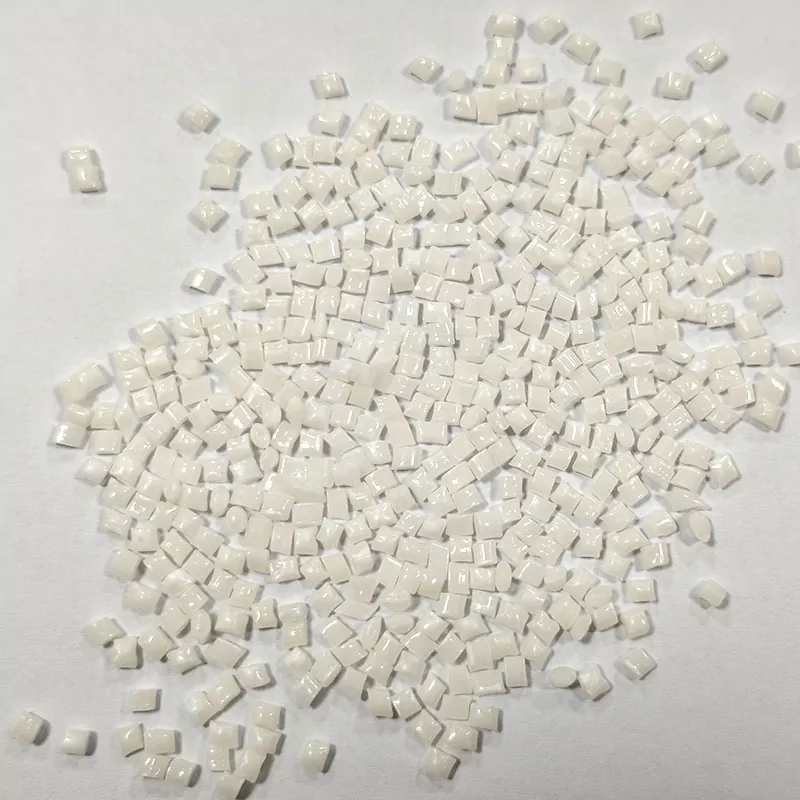
Mastering the processing window is key. Here are the fundamental guidelines for handling Polycarbonate Pellets:
-
Drying: PC is highly hygroscopic. Pellets must be dried at 120°C (248°F) for 3-4 hours in a dehumidifying hopper dryer to a moisture content below 0.02%. Insufficient drying leads to steam vents and molecular degradation.
-
Melt Temperature: The ideal melt temperature range is 280°C to 320°C (536°F to 608°F). Exceeding 340°C (644°F) risks thermal degradation.
-
Mold Temperature: A high mold temperature of 80°C to 120°C (176°F to 248°F) is essential. This ensures proper flow, reduces residual stresses, and enhances the final part's surface finish and mechanical properties.
-
Screw Design: Use a gradual compression screw with an L/D ratio of 18:1 to 24:1 to ensure gentle, uniform melting.
For a quick reference, consult this processing parameters table:
| Parameter | Recommended Range | Notes |
|---|---|---|
| Drying Temperature | 120°C (248°F) | For 3-4 hours in dehumidifying dryer |
| Melt Temperature | 280°C - 320°C (536°F - 608°F) | Critical to avoid degradation |
| Mold Temperature | 80°C - 120°C (176°F - 248°F) | Higher temps reduce internal stress |
| Injection Speed | Medium to High | Fast fill for thin walls; slower to avoid jetting |
Polycarbonate Pellets FAQ
Why is drying Polycarbonate Pellets so crucial?
Polycarbonate absorbs moisture from the air, which reacts at high processing temperatures. This causes hydrolysis, leading to a loss of molecular weight, which severely weakens the impact strength and causes visible splay marks or bubbles in the final product. Proper drying is the first and most non-negotiable step.
What happens if the mold temperature is too low?
A low mold temperature causes the molten PC to cool too rapidly. This results in high residual stresses within the part, making it prone to cracking, especially when exposed to chemicals or physical impact. It can also lead to poor surface replication, flow marks, and reduced optical clarity.
Can Polycarbonate Pellets be reground and reused?
Yes, but with strict limitations. Clean, uncontaminated regrind can typically be blended at a rate of 20-25% with virgin Polycarbonate Pellets. However, each heat cycle causes some thermal degradation. Overusing regrind will lead to yellowing and a gradual decline in key properties like ductility and impact resistance.
Following these guidelines ensures consistent, high-quality results. However, every application and part geometry presents unique challenges. Accom provides not just premium Polycarbonate Pellets, but also the deep technical support to process them flawlessly. Contact us today to discuss your specific project requirements and let our experts help you optimize your process for peak performance and efficiency.