

What Environmental Regulations Impact the Use of Red Lead Finished Granules Globally
2026-03-20
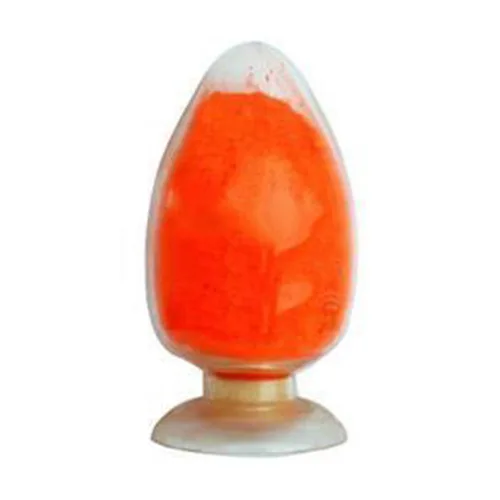
The industrial application of Red Lead Finished Granules is subject to a complex web of international environmental laws designed to control hazardous substances. As a high-performance material valued for its anti-corrosive properties in heavy industries, understanding these compliance landscapes is critical for manufacturers and buyers alike. At Rongsheng, we prioritize sustainable production methods to ensure our Red Lead Finished Granules meet the strictest global standards, helping our clients navigate regulatory challenges while maintaining industrial efficiency.
The Major International Regulatory Frameworks
Environmental legislation governing lead-based materials varies significantly by region, but several key international agreements and regional regulations set the baseline for global trade and usage.
| Regulation / Treaty | Governing Body | Key Impact on Red Lead Finished Granules |
|---|---|---|
| Rotterdam Convention | United Nations | Mandates Prior Informed Consent (PIC) for the export of certain hazardous chemicals, including lead compounds, ensuring importing countries are aware of the risks. |
| Basel Convention | United Nations | Controls the transboundary movements of hazardous wastes. It affects the disposal and recycling of scrap materials containing Red Lead Finished Granules. |
| REACH Regulation | European Union | Requires registration and authorization of chemicals. It strictly limits the concentration of lead in products sold or manufactured in the EU, impacting formulation. |
| TSCA (Toxic Substances Control Act) | United States (EPA) | Allows the EPA to regulate new and existing chemicals. It imposes reporting, record-keeping, and testing requirements related to lead-based substances. |
| RoHS Directive | European Union | Restricts the use of specific hazardous materials in electrical and electronic equipment, potentially limiting the use of lead-based granules in certain electronics. |
Key Regional Compliance Standards for Industrial Use
Navigating the global market requires a granular understanding of how specific regions enforce these regulations. Below is a detailed breakdown of compliance requirements.
1. European Union: The REACH and CLP Regimes
In Europe, Red Lead Finished Granules are strictly scrutinized under REACH (Registration, Evaluation, Authorisation and Restriction of Chemicals). Lead compounds are often listed as Substances of Very High Concern (SVHC). Manufacturers must provide extensive safety data sheets and may require specific authorizations for use. The CLP Regulation (Classification, Labelling and Packaging) also mandates specific hazard labels and packaging to protect workers and the environment.
2. North America: EPA and OSHA Oversight
The United States Environmental Protection Agency (EPA) enforces the TSCA, which requires manufacturers of Red Lead Finished Granules to submit pre-manufacture notices for new chemical uses. Furthermore, the Occupational Safety and Health Administration (OSHA) sets strict permissible exposure limits for lead in the workplace. This requires industrial buyers to implement robust ventilation and safety protocols when handling these granules.
3. Asia-Pacific: Emerging and Varying Standards
Countries in Asia, such as China and Japan, are rapidly strengthening their environmental laws. China's Ministry of Ecology and Environment has implemented increasingly strict standards for heavy metal emissions. Rongsheng closely monitors these developments to ensure that our production facilities not only comply with but exceed local environmental performance requirements, setting a benchmark for quality and responsibility in the region.
How Compliance Affects Product Sourcing and Formulation
Environmental regulations do not just impose limits; they drive innovation in how Red Lead Finished Granules are produced and applied. Compliance affects the entire supply chain, from raw material extraction to end-user application.
-
Formulation Adjustments: Manufacturers must often refine the purity and particle size of the granules to reduce dust and environmental leaching.
-
Supply Chain Transparency: Importers and exporters must maintain detailed documentation to prove compliance with the Rotterdam Convention's PIC procedures.
-
End-of-Life Management: Industries using these granules, such as automotive or heavy machinery, must develop recycling or disposal plans that adhere to the Basel Convention.
By sourcing from a responsible partner like Rongsheng, companies gain access to Red Lead Finished Granules that are produced with full regulatory awareness, minimizing legal risks and ensuring operational continuity.
Frequently Asked Questions About Environmental Regulations and Red Lead Finished Granules
Q: Are Red Lead Finished Granules completely banned under any international treaty?
A: No global treaty has implemented a complete and total ban on Red Lead Finished Granules. However, their use is heavily controlled. The Rotterdam Convention requires exporters to obtain consent from importing countries before shipment, which effectively restricts trade to nations with the infrastructure to handle them safely. Regional laws like REACH can impose severe restrictions that make their use in consumer products nearly impossible, confining them primarily to specialized industrial applications where alternatives are not yet viable.
Q: How do the Basel Convention restrictions affect the recycling of Red Lead Finished Granules?
A: The Basel Convention class many lead-based materials as hazardous waste. This means that scrap or waste containing Red Lead Finished Granules cannot simply be shipped from a developed country to a developing one for cheap recycling. The waste must be treated and disposed of in an environmentally sound manner, often within the country of origin or in specialized OECD facilities. This regulation pushes manufacturers to adopt cleaner production techniques to minimize waste generation in the first place.
Q: What specific documentation is required to prove compliance when shipping Red Lead Finished Granules internationally?
A: To legally ship Red Lead Finished Granules, exporters must typically provide a comprehensive Safety Data Sheet (SDS) that classifies the material according to the Globally Harmonized System (GHS). If the material falls under the Rotterdam Convention, the exporter must obtain and provide proof of Prior Informed Consent (PIC) from the importing country's designated national authority. Furthermore, customs authorities may require certifications of analysis to prove the product meets the specific chemical composition limits set by the importing country's laws, such as REACH or TSCA standards.
Conclusion and Call to Action
Navigating the intricate landscape of global environmental regulations requires a partner with deep technical knowledge and a commitment to compliance. At Rongsheng, we ensure that every shipment of Red Lead Finished Granules meets the rigorous standards of the Rotterdam Convention, REACH, and other international bodies, providing our clients with peace of mind and supply chain security.
Do you need high-quality Red Lead Finished Granules that comply with global environmental standards? Contact us today to discuss your specific requirements and learn how Rongsheng can support your industrial applications with safe, compliant, and effective material solutions.