

What Happens If You Use the Wrong Type of Softening Machine Salt in Your Water Softener
2026-07-14
Water softeners are precision appliances. They rely on ion exchange to remove calcium and magnesium, but that process only works when the brine tank contains the correct regenerant. Many homeowners assume all salts are interchangeable. That assumption leads to expensive repairs, poor water quality, and shortened equipment life. Choosing the right Softening Machine Salt is not a minor detail—it is a maintenance decision that directly affects your system’s performance and your household’s water experience. At KYHG, we have spent years analyzing salt formulations and their real-world effects on residential and commercial softeners. This guide explains exactly what goes wrong when you pick the wrong product, and how to avoid those pitfalls.
The Immediate Symptoms of Incorrect Softening Machine Salt
When you introduce an incompatible salt into your brine tank, the system does not fail overnight. Instead, it shows gradual warning signs. The most common early indicators include:
-
Hard water spots on glassware and fixtures within 3–5 days of regeneration.
-
Reduced water pressure from faucets and showerheads.
-
Resin beads appearing in the drain line or at the bottom of the brine tank.
-
Excessive foaming or bubbling during the regeneration cycle.
These symptoms occur because the wrong salt either fails to dissolve properly, introduces insoluble impurities, or disrupts the chemical balance required for effective ion exchange.
Technical Breakdown: Why Salt Type Matters
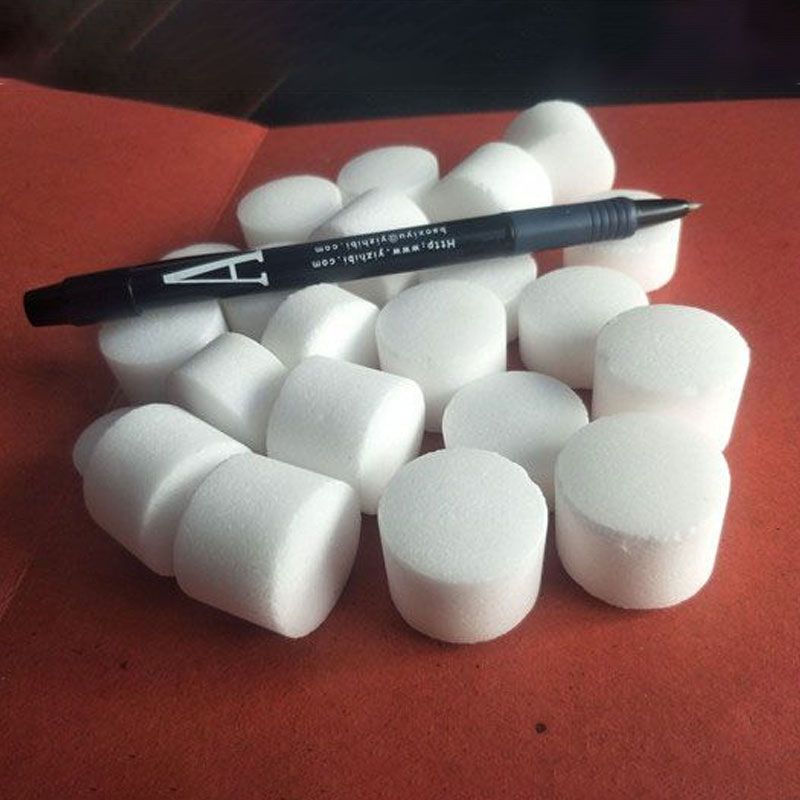
Not all sodium chloride products are created equal. The table below compares the three main categories of Softening Machine Salt and their critical performance parameters.
| Salt Type | Purity (NaCl) | Insoluble Matter | Dissolution Rate | Bridging Risk | Resin Compatibility |
|---|---|---|---|---|---|
| Evaporated Pellets (Recommended) | 99.8%+ | <0.02% | Fast | Low | Excellent |
| Solar Crystals | 99.0–99.5% | 0.5–1.0% | Moderate | Medium | Good |
| Rock Salt (Unprocessed) | 95–98% | 2–5% | Slow | High | Poor |
Using low-grade rock salt introduces calcium sulfate, clay, and organic debris into the resin bed. Over time, these contaminants coat the resin beads, reducing their exchange capacity by up to 40%. Evaporated pellets from trusted suppliers like KYHG maintain consistently high purity, ensuring each regeneration cycle restores full softening capacity without leaving abrasive residues.
Long-Term Damage from the Wrong Softening Machine Salt
If you continue using an unsuitable product for 6–12 months, the consequences become structural and costly:
-
Resin Bed Fouling – Insoluble particles embed themselves between resin beads, creating channels that allow hard water to bypass the exchange media. This reduces system efficiency by 25–50%.
-
Injector and Valve Wear – Gritty impurities act as abrasives inside the control valve. Brass and plastic components erode, leading to internal leaks and erratic regeneration timing.
-
Mushing and Salt Bridges – Impure salts form a sludge layer at the bottom of the brine tank. This "mush" prevents fresh water from reaching the upper salt layers, while a hardened crust (bridge) stops salt from falling into the water supply. Either condition results in zero brine production during regeneration.
-
Increased Water Usage – A fouled system requires 2–3 times more water for backwashing, driving up utility bills and wasting thousands of gallons annually.
How to Select the Correct Softening Machine Salt
Professional water treatment specialists follow a simple three-step protocol:
-
Step 1 – Check your softener’s manual for recommended salt grade. Most modern valves require 99.5%+ purity.
-
Step 2 – Choose pellet or crystal forms based on your tank design. Pelletized salt is ideal for high-efficiency units; crystals work well in older two-tank systems.
-
Step 3 – Verify the additive content. Some salts include rust inhibitors or citric acid boosters. Only use additives that match your specific resin type and water chemistry.
KYHG offers a complete line of certified evaporated pellets that meet NSF/ANSI Standard 44 for residential softeners. Every batch is tested for heavy metals, moisture content, and dissolution uniformity.
FAQ – Common Questions About Softening Machine Salt
Q1: Can I mix different types of Softening Machine Salt in the same brine tank?
A1: Technically you can, but we strongly advise against it. Mixing evaporated pellets with rock salt introduces unpredictable dissolution rates. The rock salt dissolves more slowly, so the brine concentration becomes inconsistent cycle to cycle. More importantly, the insoluble sediments from the rock salt will accumulate over time, while the pellets dissolve cleanly. This combination often accelerates bridging because the fine particles from the rock salt fill the gaps between pellets, compacting into a dense mass. If you must transition between salt types, we recommend emptying the tank completely, rinsing the bottom, and refilling with a single, high-purity product like KYHG evaporated pellets to restore predictable performance.
Q2: How do I know if my current Softening Machine Salt is causing resin damage?
A2: The most reliable diagnostic is a simple capacity test. Run a manual regeneration, then measure the hardness of the softened water immediately after the cycle. If the hardness exceeds 1–2 grains per gallon (assuming your system is correctly sized), your resin likely has reduced exchange sites. A second indicator is the color of the brine solution—clear brine indicates high purity, while cloudy or yellowish brine suggests iron, clay, or organic contamination. Third, inspect the bottom of your brine tank every 3 months. If you see a dark sludge or grit layer thicker than 1 cm, that salt is depositing insolubles. At KYHG, we provide free test strips with bulk orders so you can monitor your brine quality weekly without guesswork.
Q3: Does the wrong Softening Machine Salt void my water softener’s warranty?
A3: Yes, in most cases. Major manufacturers including Fleck, Clack, and Autotrol explicitly state in their warranty terms that using non-recommended salt grades—especially rock salt or agricultural-grade sodium chloride—constitutes improper maintenance. If you file a claim for a failed resin bed, control valve, or injector, the manufacturer may request a salt sample from your tank. Laboratory analysis can identify impurities that exceed their specified limits. To protect your investment, always retain the packaging or purchase receipts from your salt supplier. KYHG bags include batch numbers and purity certifications that are accepted by all major warranty departments as proof of compliant maintenance.
Preventative Maintenance Schedule
| Frequency | Action | Purpose |
|---|---|---|
| Monthly | Check salt level and break any visible bridges | Ensure continuous brine supply |
| Quarterly | Inspect brine tank for sludge or sediment | Prevent fouling of resin and valves |
| Biannually | Run a full cleaning cycle with resin cleaner | Remove organic and iron deposits |
| Annually | Replace 10–15% of resin (if heavily used) | Maintain peak exchange capacity |
Adopting this schedule with a consistent Softening Machine Salt brand eliminates 90% of common service calls.
Final Takeaway
The wrong Softening Machine Salt does not simply reduce softening—it damages the heart of your system. Resin replacement costs range from $300 to $800, and valve repairs add another $200–$500. Using a high-purity product from the start costs only a few dollars more per bag but saves hundreds in premature repairs. KYHG engineered our pellets with uniform size, low dust, and rapid solubility to extend resin life by 3–5 years compared to standard solar or rock salts.
Contact us today at KYHG for a free water analysis and personalized salt recommendation. Our technical team will review your system model, water hardness, and usage patterns to match you with the optimal Softening Machine Salt grade. Visit our website or call our support line—we are ready to help you protect your investment and enjoy consistently soft water, every day. Your system deserves the best. Choose KYHG.