

What is ε-Polylysine and How Can It Revolutionize Food Preservation?
2025-11-26
ε-Polylysine (ε-PL) is a naturally occurring biopolymer known for its potent antimicrobial properties, making it a preferred solution for food preservation and safety applications. Derived from microbial fermentation, ε-Polylysine is recognized globally for its effectiveness in inhibiting a broad spectrum of bacteria, molds, and yeasts without compromising food quality.
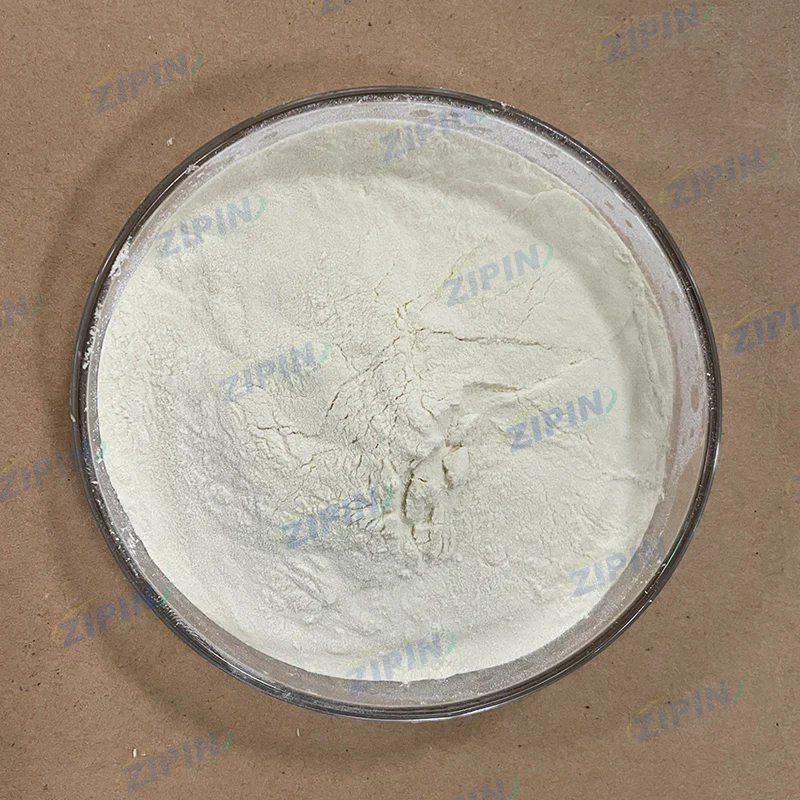
Product Parameters of ε-Polylysine:
| Parameter | Specification | Remarks |
|---|---|---|
| Appearance | White to light yellow powder | Soluble in water |
| Molecular Weight | 1,000–5,000 Da | Varies by polymerization degree |
| Degree of Polymerization | 25–30 lysine residues | Determines antimicrobial activity |
| Solubility | Highly soluble in water | pH 6–8 optimal |
| Antimicrobial Spectrum | Broad-spectrum | Effective against Gram-positive and Gram-negative bacteria, molds, and yeasts |
| Usage Concentration | 0.01–0.1% w/w in foods | Application-specific |
| Storage Conditions | Dry, cool, away from light | Stable for up to 2 years |
| Safety Grade | Food-grade, biodegradable | Approved by FDA, JECFA, and EFSA |
This table provides a comprehensive overview of ε-Polylysine's technical specifications, allowing food manufacturers and industrial users to assess its suitability for their products and processes.
Why Should ε-Polylysine Become a Standard in Food Safety?
Broad-Spectrum Antimicrobial Action
ε-Polylysine functions as a cationic peptide that binds to bacterial cell membranes, causing leakage of cellular components and ultimately leading to microbial death. Unlike conventional preservatives, ε-PL targets microbial cells without affecting human cells, making it exceptionally safe for consumption.
Compatibility with Various Food Systems
ε-Polylysine is highly versatile, suitable for liquid, semi-solid, and solid foods. It maintains its activity under diverse pH and temperature conditions, ensuring extended shelf life for perishable items like dairy, beverages, baked goods, and ready-to-eat meals.
Natural and Biodegradable
With growing consumer demand for clean-label and natural ingredients, ε-Polylysine provides a sustainable alternative to synthetic preservatives. Its biodegradability reduces environmental impact, supporting eco-conscious production strategies.
Compliance and Safety
Approved by major food safety authorities, ε-Polylysine aligns with international regulatory standards, making it a reliable choice for manufacturers targeting global markets.
How Can ε-Polylysine Be Applied Effectively in Industries?
Food Industry Applications
-
Beverages: Maintains microbial stability in fruit juices, soft drinks, and functional beverages.
-
Dairy Products: Enhances shelf life of yogurt, cheese, and milk-based desserts.
-
Bakery Items: Prevents mold growth in bread, pastries, and cakes without altering flavor or texture.
-
Ready-to-Eat Meals: Inhibits spoilage microorganisms, extending storage duration while ensuring safety.
Pharmaceutical and Cosmetic Applications
ε-Polylysine's antimicrobial properties are not limited to food. It is also used in oral hygiene products, skin care formulations, and medical devices to inhibit bacterial growth without relying on harsh chemicals.
Innovative Packaging Solutions
Integration of ε-Polylysine into biodegradable packaging films is an emerging trend. These films provide active antimicrobial protection, reducing reliance on chemical preservatives and increasing product shelf life.
What Are the Key Advantages and Future Trends of ε-Polylysine?
Advantages
-
High Efficiency: Effective at very low concentrations, reducing the overall additive load.
-
Safety Profile: Non-toxic, biodegradable, and food-grade approved.
-
Versatility: Suitable for multiple product categories and environmental conditions.
-
Consumer-Friendly: Supports clean-label strategies and natural ingredient positioning.
Future Trends
-
Innovative Formulations: ε-Polylysine is being explored in combination with natural antioxidants and organic acids to enhance preservation.
-
Smart Packaging Integration: Development of ε-PL embedded films for intelligent, self-preserving packaging solutions.
-
Global Expansion: Adoption in emerging markets is expected to grow due to rising food safety awareness and demand for natural preservatives.
-
Research and Development: New microbial strains and optimized fermentation techniques are improving yield and reducing production costs, making ε-PL more accessible.
ε-Polylysine FAQs
Q1: Is ε-Polylysine safe for long-term consumption?
A1: Yes, ε-Polylysine is approved by the FDA, EFSA, and JECFA as a safe food additive. Studies show it does not accumulate in the human body, and its biodegradability ensures minimal environmental impact.
Q2: How does ε-Polylysine affect the taste and quality of food?
A2: ε-Polylysine is neutral in taste and odor, maintaining the original sensory qualities of food products. Its addition does not alter texture or flavor while providing robust antimicrobial protection.
ε-Polylysine represents a transformative solution for modern food safety and preservation. Its combination of natural origin, high efficacy, broad-spectrum activity, and regulatory compliance positions it as an indispensable ingredient for manufacturers aiming to meet consumer expectations for safe, long-lasting, and natural products. From beverages and dairy to innovative packaging applications, ε-Polylysine continues to expand its industrial footprint, aligning with future trends in sustainability and clean-label solutions.
For businesses seeking high-quality ε-Polylysine, Zipin offers premium, food-grade formulations with comprehensive technical support. To explore product specifications, application guidance, or bulk supply options, contact us for tailored solutions.