
What Is Butyl Methacrylate and Why Is It So Important in Modern Chemical Applications?
2026-01-28
Butyl Methacrylate is a widely used acrylic monomer known for its excellent flexibility, weather resistance, and strong adhesion properties. As industries continue to demand high-performance materials with stable processing behavior, Butyl Methacrylate has become a key raw material in coatings, adhesives, plastics, and specialty polymers. At Xiamen Aeco Chemical Industrial Co., Ltd., we supply high-quality Butyl Methacrylate to help manufacturers achieve both performance excellence and cost efficiency in their formulations.
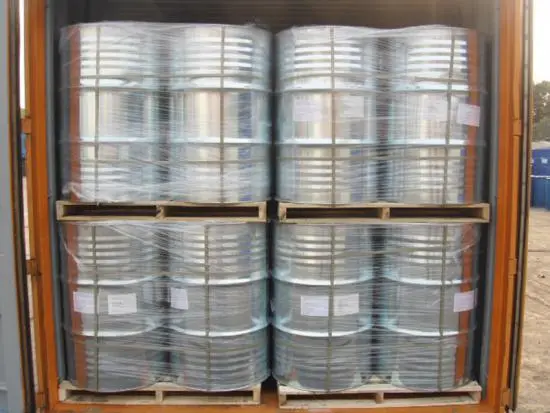
What Is Butyl Methacrylate?
Butyl Methacrylate (BMA) is an ester of methacrylic acid and butanol. It is typically used as a comonomer in the production of acrylic resins and polymers. Thanks to its relatively long alkyl chain, Butyl Methacrylate contributes flexibility, hydrophobicity, and improved film-forming ability to polymer systems.
Key Chemical Characteristics of Butyl Methacrylate
| Property | Description |
|---|---|
| Appearance | Colorless transparent liquid |
| Odor | Mild ester-like odor |
| Solubility | Insoluble in water, soluble in most organic solvents |
| Reactivity | Excellent copolymerization ability |
| Stability | Good thermal and chemical stability |
Why Choose Butyl Methacrylate for Industrial Use?
Advantages (Positive Pole)
-
Enhances flexibility and toughness of polymers
-
Improves weather and UV resistance
-
Reduces brittleness in acrylic resins
-
Excellent compatibility with other methacrylates
Limitations (Negative Pole)
-
Requires controlled storage conditions
-
Sensitive to polymerization inhibitors
-
Needs professional handling in large-scale production
This clear contrast makes Butyl Methacrylate especially suitable for manufacturers seeking a balance between performance and processability.
How Does Butyl Methacrylate Work in Applications?
The primary role of Butyl Methacrylate is to modify polymer structure. When copolymerized, it lowers the glass transition temperature (Tg), resulting in softer and more elastic materials. This effect directly improves end-use performance.
Typical Application Areas
-
Acrylic coatings and paints
-
Pressure-sensitive adhesives
-
Plastic modifiers
-
Textile and leather finishing agents
-
Sealants and specialty polymers
What Are the Usage Effects of Butyl Methacrylate?
By incorporating Butyl Methacrylate into formulations, manufacturers can achieve:
-
Smoother film formation
-
Better adhesion to substrates
-
Enhanced durability in outdoor environments
-
Improved processing stability
These effects are critical in industries where long-term performance and appearance matter.
Why Is Butyl Methacrylate Important for Your Business?
In a competitive market, material performance directly affects product reputation. Butyl Methacrylate allows formulators to fine-tune mechanical properties without sacrificing clarity or stability. Partnering with Xiamen Aeco Chemical Industrial Co., Ltd. ensures a consistent supply of high-purity Butyl Methacrylate, supported by technical expertise and reliable logistics.
Why Choose Xiamen Aeco Chemical Industrial Co., Ltd.?
-
Strict quality control standards
-
Stable global supply capability
-
Professional technical support
-
Custom solutions for different industries
We focus not only on chemical products, but also on long-term partnerships that create value.
Final Thoughts
Butyl Methacrylate is more than just a monomer—it is a performance enhancer that plays a vital role in modern material science. Whether you are developing advanced coatings, flexible adhesives, or durable polymers, choosing the right supplier is just as important as choosing the right material.
If you are looking for a reliable source of high-quality Butyl Methacrylate, contact us today at Xiamen Aeco Chemical Industrial Co., Ltd. and let our experts help you optimize your next formulation.