
What Is Cyanuric Acid and Why Is It Essential for Modern Water Treatment?
2026-03-13
Cyanuric Acid is an important chemical compound widely used in water treatment, especially in swimming pools and industrial sanitation systems. Known for its stabilizing properties, Cyanuric Acid helps protect chlorine from rapid degradation caused by sunlight, ensuring that disinfectant levels remain effective for longer periods. Without Cyanuric Acid, chlorine in outdoor pools can lose most of its disinfecting power within a few hours under UV exposure. Because of this critical role, Cyanuric Acid has become a key component in modern water maintenance systems, improving efficiency, reducing chemical consumption, and maintaining safe water quality. As a professional chemical supplier, Leache Chem LTD. provides high-purity Cyanuric Acid products designed to meet international quality standards and support various industrial applications.
Understanding Cyanuric Acid
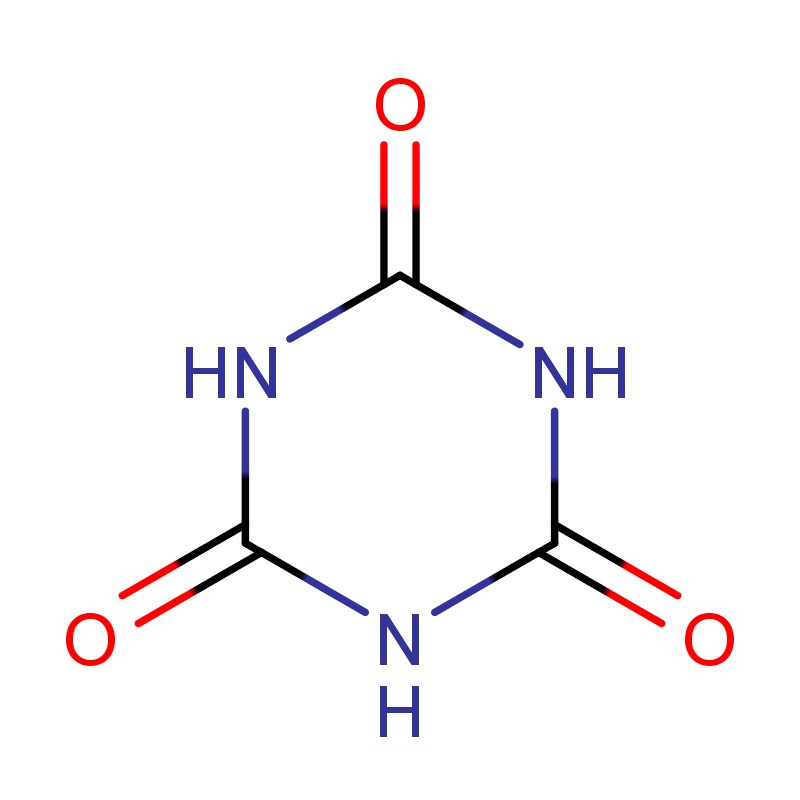
Cyanuric Acid is a white crystalline organic compound with the chemical formula C₃H₃N₃O₃. It belongs to the class of triazine compounds and is primarily used as a chlorine stabilizer. When added to water systems, it forms a temporary bond with chlorine molecules, protecting them from ultraviolet degradation.
This protective effect makes Cyanuric Acid especially valuable in outdoor swimming pools, water parks, and sanitation systems exposed to sunlight.
Basic Properties of Cyanuric Acid
| Property | Description |
|---|---|
| Chemical Formula | C₃H₃N₃O₃ |
| Appearance | White crystalline powder |
| Solubility | Slightly soluble in water |
| Primary Function | Chlorine stabilizer |
| Main Application | Swimming pool water treatment |
These characteristics make Cyanuric Acid highly suitable for maintaining long-lasting disinfectant performance.
Why Is Cyanuric Acid Important in Pool and Water Treatment?
Cyanuric Acid plays a crucial role in improving the stability and efficiency of chlorine disinfectants.
Key Benefits
-
Protects chlorine from UV degradation
Sunlight rapidly destroys free chlorine. Cyanuric Acid significantly slows this process. -
Extends chlorine effectiveness
Stabilized chlorine remains active for longer periods, reducing the need for frequent chemical additions. -
Reduces operational costs
By minimizing chlorine loss, Cyanuric Acid helps lower chemical consumption and maintenance expenses. -
Maintains stable water sanitation
Consistent disinfectant levels ensure safer and healthier water environments.
Common Applications of Cyanuric Acid
Cyanuric Acid is widely used across multiple industries due to its chemical stability and effectiveness.
1. Swimming Pool Water Treatment
The most common use of Cyanuric Acid is as a chlorine stabilizer in outdoor pools. It helps maintain proper chlorine levels even under strong sunlight.
2. Industrial Water Disinfection
Many industrial cooling systems and water treatment facilities rely on Cyanuric Acid to stabilize chlorine-based disinfectants.
3. Chemical Manufacturing
Cyanuric Acid also serves as an intermediate in the production of various disinfectants and specialty chemicals.
Application Overview
| Industry | Application |
|---|---|
| Swimming Pools | Chlorine stabilizer |
| Water Treatment | Disinfection efficiency improvement |
| Chemical Industry | Raw material for disinfectants |
| Sanitation Systems | Long-lasting chlorine protection |
How Does Cyanuric Acid Work with Chlorine?
Cyanuric Acid works by forming a weak chemical bond with chlorine molecules in water. This temporary bond protects chlorine from ultraviolet radiation.
The process works in three simple steps:
-
Chlorine dissolves in water to form active disinfectants.
-
Cyanuric Acid binds loosely with chlorine.
-
The bond protects chlorine from UV degradation while still allowing it to disinfect pathogens.
When chlorine is consumed during disinfection, the bond breaks, releasing active chlorine again.
This controlled release mechanism ensures efficient water sanitation.
Recommended Cyanuric Acid Levels in Pools
Maintaining the correct concentration of Cyanuric Acid is essential for optimal performance.
| Pool Type | Recommended Level |
|---|---|
| Residential Outdoor Pools | 30–50 ppm |
| Commercial Pools | 40–60 ppm |
| Indoor Pools | 0–20 ppm |
Excessive Cyanuric Acid levels can reduce chlorine effectiveness, so proper monitoring is necessary.
Advantages of High-Quality Cyanuric Acid from Leache Chem LTD.
Choosing a reliable supplier ensures the purity, consistency, and safety of chemical products. Leache Chem LTD. specializes in producing high-quality Cyanuric Acid for global customers.
Key Advantages
-
High purity and stable chemical composition
-
Strict quality control during production
-
Reliable supply chain and bulk availability
-
Compliance with international chemical standards
-
Professional technical support
With years of experience in chemical manufacturing and export, Leache Chem LTD. delivers dependable Cyanuric Acid solutions for both commercial and industrial markets.
How to Use Cyanuric Acid Safely
Although Cyanuric Acid is generally safe when used correctly, proper handling is important.
Safety Guidelines
-
Store in a cool, dry place away from moisture
-
Avoid inhaling dust during handling
-
Use protective gloves and goggles
-
Follow recommended dosage levels in water systems
These precautions ensure safe and efficient use of the product.
Quick Summary of Cyanuric Acid Benefits
Major advantages include:
-
Protects chlorine from sunlight damage
-
Improves water sanitation efficiency
-
Reduces chemical costs
-
Extends disinfectant lifespan
-
Supports stable water quality
Because of these benefits, Cyanuric Acid has become a standard component in water treatment systems worldwide.
Frequently Asked Questions (FAQ)
1. What is Cyanuric Acid mainly used for?
Cyanuric Acid is primarily used as a chlorine stabilizer in swimming pools and water treatment systems. It protects chlorine from UV degradation.
2. Is Cyanuric Acid safe for swimming pools?
Yes. When used within recommended levels, Cyanuric Acid is safe and widely used in pool maintenance.
3. Can too much Cyanuric Acid affect chlorine performance?
Yes. Excessive Cyanuric Acid can reduce chlorine's disinfecting power, which is why regular water testing is important.
4. How often should Cyanuric Acid be added to pools?
Typically, it is added when stabilizer levels drop below recommended ranges. Routine water testing helps determine the proper timing.
5. Where can I purchase high-quality Cyanuric Acid?
Professional chemical manufacturers like Leache Chem LTD. provide reliable Cyanuric Acid products suitable for pool treatment and industrial use.
Conclusion
Cyanuric Acid is an essential chemical for maintaining effective chlorine disinfection in water systems. By stabilizing chlorine and protecting it from sunlight, Cyanuric Acid improves sanitation efficiency, reduces maintenance costs, and ensures consistent water quality. Whether used in residential pools, commercial water parks, or industrial treatment systems, this compound plays a vital role in modern water management.
If you are looking for high-quality Cyanuric Acid with stable supply and professional support, Leache Chem LTD. is your trusted partner. Our experienced team is ready to provide reliable chemical solutions tailored to your needs.
For product details, technical specifications, or bulk orders, please contact us today — we look forward to working with you.