

What Is Dimethyl Disulfide and Why Is It Important in Industrial Applications?
2026-02-26
Dimethyl Disulfide (DMDS) is a volatile organosulfur compound widely used in chemical, agricultural, and petroleum industries. It is recognized for its strong odor and excellent sulfur content, making it indispensable as a chemical intermediate and additive. At Xiamen Aeco Chemical Industrial Co., Ltd., we specialize in high-purity Dimethyl Disulfide suitable for multiple industrial applications, ensuring safety, efficiency, and reliability.
Dimethyl Disulfide is primarily employed as a sulfur source in the production of sulfur-containing chemicals, as a soil fumigant in agriculture, and as an additive in petroleum refining processes to improve fuel quality. Its effectiveness and versatility make it a preferred choice over other sulfur compounds. Understanding its properties, applications, and benefits can help industrial users select the most suitable chemical solutions for their processes.
1. What Are the Key Properties of Dimethyl Disulfide?
Dimethyl Disulfide is characterized by its high sulfur content and strong, distinct odor. Its chemical formula is C2H6S2, and it appears as a yellowish liquid at room temperature. The following table summarizes its essential properties:
| Property | Value/Description |
|---|---|
| Chemical Formula | C2H6S2 |
| Appearance | Yellow liquid |
| Boiling Point | 109–110°C |
| Density | 1.04 g/cm³ |
| Solubility in Water | Slightly soluble |
| Odor | Strong, sulfur-like |
| CAS Number | 624-92-0 |
These properties make Dimethyl Disulfide highly reactive in chemical processes, particularly as a sulfur donor.
2. How Is Dimethyl Disulfide Used in Industry?
Dimethyl Disulfide has multiple industrial applications, including:
-
Chemical Industry: Acts as an intermediate for producing sulfur-containing chemicals, including agrochemicals and antioxidants.
-
Agriculture: Functions as a soil fumigant to control nematodes and soil-borne pathogens.
-
Petroleum Industry: Used as a sulfur additive to improve fuel properties and aid in desulfurization processes.
-
Pharmaceuticals: Occasionally employed in synthesis processes where sulfur incorporation is required.
Its versatility allows manufacturers to streamline processes while maintaining efficiency and product quality.
3. Dimethyl Disulfide vs Other Sulfur Compounds
Choosing the right sulfur compound depends on application requirements. Here's a simple comparison:
| Feature | Dimethyl Disulfide (DMDS) | Elemental Sulfur | Hydrogen Sulfide (H2S) |
|---|---|---|---|
| Ease of Handling | Moderate | Low | High (toxic gas) |
| Application Versatility | High | Medium | Limited |
| Odor Intensity | Strong | Weak | Very Strong |
| Sulfur Content | High | Very High | Medium |
| Industrial Safety | Requires precautions | Safer | Highly hazardous |
As the table shows, Dimethyl Disulfide balances effectiveness and usability, making it a top choice for multiple sectors.
4. Benefits and Applications
Benefits of Using Dimethyl Disulfide:
-
High efficiency as a sulfur donor
-
Versatility across industries
-
Enhances chemical reactions and fuel quality
-
Reduces reliance on more hazardous sulfur compounds
Application Highlights:
-
Soil Fumigation: Protects crops and improves yield
-
Petroleum Additives: Enhances desulfurization and fuel stability
-
Chemical Synthesis: Enables efficient sulfur incorporation into organic molecules
These advantages explain why Xiamen Aeco Chemical Industrial Co., Ltd. recommends DMDS for industrial clients seeking reliability and quality.
5. Safety and Handling Guidelines
Handling Dimethyl Disulfide requires caution due to its flammability and strong odor:
-
Store in tightly sealed containers in a cool, well-ventilated area
-
Avoid contact with open flames and sparks
-
Use appropriate PPE (gloves, goggles, masks)
-
Ensure proper disposal in compliance with environmental regulations
Following these safety practices ensures a smooth industrial operation without compromising personnel safety.
6. FAQ
Q1: Is Dimethyl Disulfide toxic?
A1: DMDS is moderately toxic and should be handled with care using protective equipment.
Q2: Can DMDS be used in food-related applications?
A2: No, it is intended for industrial use only and not suitable for food-grade applications.
Q3: What industries benefit the most from DMDS?
A3: Chemical manufacturing, agriculture, petroleum refining, and some pharmaceutical processes.
Q4: How is DMDS transported safely?
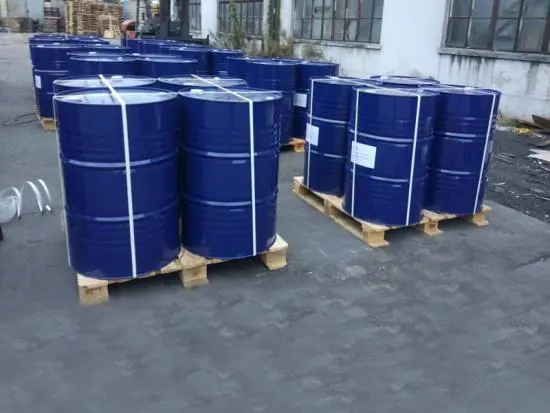
A4: Using sealed containers, low-temperature transport, and adherence to hazardous chemical regulations.
7. Conclusion
Dimethyl Disulfide is a highly valuable chemical for industrial applications, combining efficiency, versatility, and practical usability. Whether in agriculture, petroleum, or chemical synthesis, DMDS ensures enhanced performance and reliable results.
At Xiamen Aeco Chemical Industrial Co., Ltd., we provide high-quality Dimethyl Disulfide with strict quality controls and reliable logistics support. For any inquiries about our products or to place an order, contact us today and discover how DMDS can improve your industrial processes.