
What Is Polyurethane for Food Industry and Why Is It Essential for Modern Food Processing?
2026-03-13
The food industry demands materials that are durable, hygienic, and safe for direct or indirect food contact. Among the many engineering materials used today, Polyurethane for Food Industry applications has become increasingly important due to its exceptional mechanical strength, flexibility, chemical resistance, and food-grade safety properties. From conveyor systems to sealing components, polyurethane plays a crucial role in maintaining hygienic production environments and ensuring operational efficiency.
As food manufacturers face stricter hygiene regulations and higher production demands, choosing the right materials for equipment components becomes essential. Companies like Qingdao Ruichen Sealing Technology Co., Ltd. specialize in advanced sealing and polymer solutions designed specifically for industrial environments, including demanding food processing conditions.
This article explores the role, benefits, and applications of Polyurethane for Food Industry, explaining why it is becoming a preferred material in modern food production facilities.
1. What Is Polyurethane for Food Industry?
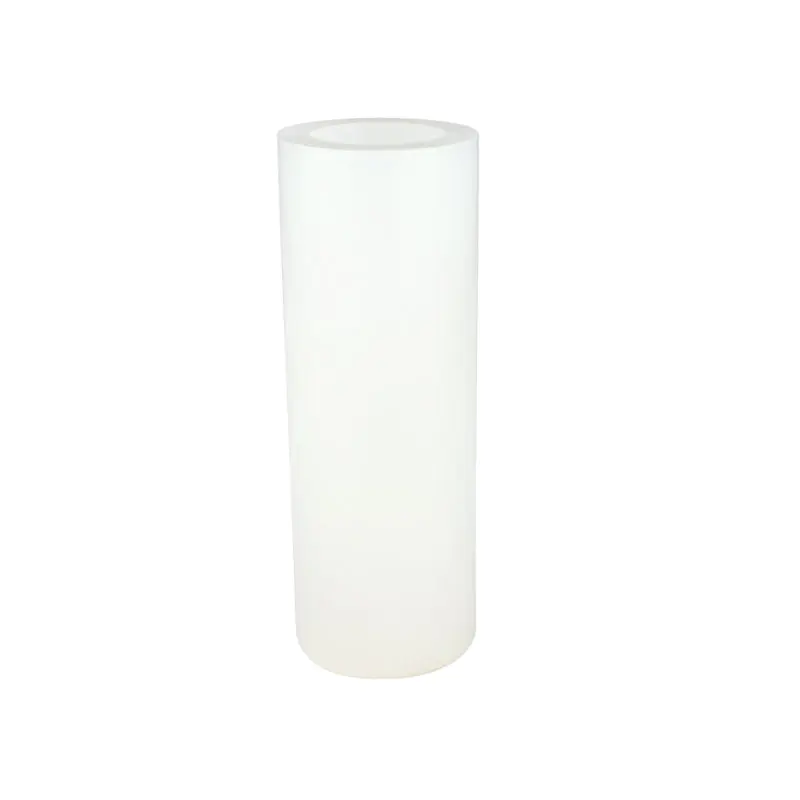
Polyurethane for Food Industry refers to specially formulated polyurethane materials that meet food safety standards and are used in equipment that processes, transports, or packages food products.
These materials are commonly used in:
-
Food processing machinery
-
Conveyor belts
-
Sealing systems
-
Rollers and bushings
-
Protective coatings
-
Gaskets and wear parts
Food-grade polyurethane typically complies with regulatory standards such as:
-
FDA (Food and Drug Administration)
-
EU food contact regulations
-
ISO food safety standards
These certifications ensure the material does not contaminate food and can withstand repeated cleaning cycles.
2. Why Is Polyurethane Widely Used in Food Processing Equipment?
Food processing equipment operates in challenging conditions including moisture, oils, chemicals, and mechanical stress. Polyurethane for Food Industry provides a combination of properties that few materials can match.
Key Reasons for Its Popularity
-
Excellent wear resistance
-
High load-bearing capacity
-
Resistance to oils and fats
-
Hygienic and easy-to-clean surfaces
-
Long service life
-
Low maintenance costs
These advantages allow manufacturers to improve equipment reliability while maintaining strict hygiene standards.
3. What Are the Key Properties of Food-Grade Polyurethane?
Polyurethane materials designed for the food sector are engineered to meet both mechanical and sanitary requirements.
Important Material Characteristics
| Property | Description | Benefit for Food Industry |
|---|---|---|
| Abrasion Resistance | Withstands constant friction | Longer equipment lifespan |
| Chemical Resistance | Resistant to oils, grease, and cleaning agents | Safe for food processing environments |
| Elasticity | Flexible yet strong | Ideal for seals and rollers |
| Hygiene Compatibility | Non-toxic and food-safe formulations | Prevents contamination |
| Temperature Resistance | Performs well in varied temperatures | Suitable for refrigeration or heated processes |
These properties make Polyurethane for Food Industry ideal for high-performance sealing and motion components.
4. Where Is Polyurethane Used in the Food Industry?
Polyurethane components can be found throughout food production lines, from raw material handling to final packaging.
Common Applications
1. Conveyor Belt Components
Polyurethane rollers and belts ensure smooth food transportation while resisting wear and contamination.
2. Sealing Systems
Food-grade polyurethane seals prevent leaks and contamination in pumps, mixers, and packaging machines.
3. Scrapers and Blades
Polyurethane blades help clean conveyor belts efficiently without damaging equipment.
4. Protective Linings
Polyurethane coatings protect equipment surfaces from corrosion and mechanical damage.
5. Shock Absorption Components
Bushings and dampers made of polyurethane reduce vibration and equipment noise.
Companies such as Qingdao Ruichen Sealing Technology Co., Ltd. develop customized polyurethane sealing products to meet these specific industrial requirements.
5. Polyurethane vs Rubber vs Silicone in Food Processing
Selecting the right material depends on application requirements such as temperature resistance, durability, and hygiene.
Material Comparison
| Material | Advantages | Limitations |
|---|---|---|
| Polyurethane | Excellent wear resistance, strong mechanical properties | Moderate high-temperature resistance |
| Rubber | Flexible and inexpensive | Lower abrasion resistance |
| Silicone | Excellent temperature resistance | Lower mechanical strength |
Polyurethane for Food Industry is often chosen when durability and wear resistance are the primary concerns.
6. What Are the Benefits of Polyurethane Sealing Solutions?
Sealing components are critical in food machinery because they prevent leaks, contamination, and equipment failure.
Advantages of Polyurethane Seals
-
High durability in continuous production environments
-
Excellent sealing performance against liquids and particles
-
Resistance to oils, fats, and cleaning chemicals
-
Reduced maintenance and downtime
-
Customizable shapes and hardness levels
These characteristics make polyurethane an ideal material for modern food processing equipment.
7. How Does Qingdao Ruichen Sealing Technology Co., Ltd. Support the Food Industry?
Qingdao Ruichen Sealing Technology Co., Ltd. is a professional manufacturer specializing in advanced sealing materials and engineered polyurethane components.
The company provides:
-
Food-grade polyurethane seals
-
Custom polyurethane gaskets
-
High-performance industrial sealing solutions
-
OEM and ODM manufacturing services
-
Material engineering for specialized environments
By combining advanced manufacturing technology with strict quality control, the company delivers reliable Polyurethane for Food Industry solutions that help food manufacturers improve efficiency, safety, and equipment lifespan.
8. Conclusion
The modern food industry requires materials that combine safety, durability, and performance. Polyurethane for Food Industry applications have proven to be highly effective in meeting these demands. With excellent wear resistance, strong mechanical properties, and food-safe formulations, polyurethane has become an indispensable material for conveyor systems, seals, rollers, and protective components.
As food production continues to evolve toward higher automation and stricter hygiene standards, the demand for high-quality polyurethane components will only increase.
Partnering with experienced manufacturers like Qingdao Ruichen Sealing Technology Co., Ltd. ensures that food processing equipment operates safely, efficiently, and reliably.
FAQ
1. Is polyurethane safe for food processing applications?
Yes. Food-grade polyurethane materials are specifically formulated to meet FDA and EU food contact regulations, making them safe for use in food industry equipment.
2. Why is polyurethane better than rubber in some food applications?
Polyurethane generally offers higher abrasion resistance and longer service life than traditional rubber materials, making it suitable for high-wear components.
3. What industries use polyurethane in food production?
Many sectors use Polyurethane for Food Industry, including:
-
Meat processing
-
Dairy production
-
Beverage manufacturing
-
Bakery and confectionery
-
Food packaging
4. Can polyurethane parts be customized for specific machinery?
Yes. Manufacturers such as Qingdao Ruichen Sealing Technology Co., Ltd. offer custom polyurethane seals, rollers, and components designed according to equipment specifications.
If you are looking for high-quality Polyurethane for Food Industry solutions, reliable sealing products, or customized polyurethane components for your production equipment, contact us today.
Our engineering team at Qingdao Ruichen Sealing Technology Co., Ltd. is ready to help you find the most efficient and durable sealing solutions for your food processing systems.