

Article Summary: Shell Calcium Oxide is commonly obtained by calcining cleaned marine shells, with calcium carbonate as the principal precursor. During calcination, calcium carbonate decomposes into calcium oxide and carbon dioxide. The resulting CaO can offer a porous structure and strong alkaline reactivity, but its actual performance depends heavily on raw-material composition, calcination conditions, particle size, storage, and application requirements. For industrial buyers, understanding these factors is essential when evaluating purity, reactivity, consistency, packaging, and suitability for a specific process.
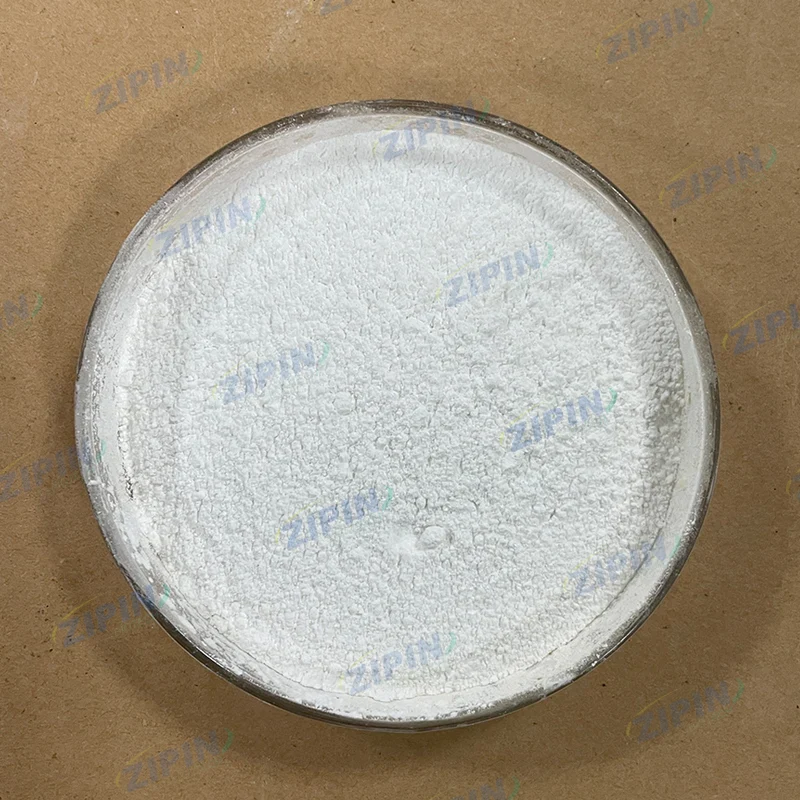
What Is Shell Calcium Oxide?
Shell Calcium Oxide is calcium oxide (CaO) produced from calcium carbonate-rich shells. Oyster shells, mussel shells, clam shells, scallop shells, and other calcium-containing marine by-products can serve as feedstock after appropriate cleaning and preparation. The shell material itself is mainly calcium carbonate, although its exact composition varies according to species, origin, growing conditions, and processing history.
The defining step is calcination. When calcium carbonate is heated sufficiently, it decomposes and releases carbon dioxide, leaving calcium oxide as the solid product. In simplified form, the reaction can be written as:
The resulting material is often referred to as shell-derived quicklime or shell-derived calcium oxide. It should not be confused with untreated shell powder, because untreated shells remain predominantly calcium carbonate and do not have the same chemical behavior as CaO.
How Shell Calcium Oxide Is Produced
Producing consistent Shell Calcium Oxide requires more than heating shells in a furnace. Industrial processing normally begins with raw-material sorting and cleaning, followed by size reduction, controlled calcination, cooling, grinding or classification, and moisture-protected packaging.
Shells are collected, sorted, cleaned, and prepared for thermal treatment.
Crushing helps create a more uniform feed size for controlled heating.
Controlled heating converts calcium carbonate into calcium oxide.
The calcined product is cooled, processed to the required size, and packed.
Calcination conditions deserve particular attention. Temperature, residence time, shell size, furnace atmosphere, and heat distribution can affect the extent of carbonate decomposition and the physical structure of the resulting CaO. Excessive or poorly controlled heating can also influence surface characteristics and reactivity.
After calcination, rapid exposure to humid air should be avoided. Calcium oxide reacts readily with water and can gradually absorb moisture and carbon dioxide from the surrounding environment. For this reason, cooling, screening, packaging, and storage are part of product quality rather than merely logistical steps.
Key Properties That Influence Performance
Buyers often focus first on calcium oxide content, but industrial performance is usually controlled by several properties working together. A material with high nominal CaO content may still perform differently from another grade if its particle size, residual carbonate, porosity, moisture level, or impurity profile differs.
| Property | Why It Matters | Typical Buyer Concern |
|---|---|---|
| CaO Content | Indicates the proportion of calcium oxide available for reaction. | Does the grade meet the required specification? |
| Residual CaCO₃ | Can indicate incomplete calcination. | Will unconverted carbonate affect process efficiency? |
| Reactivity | Influences how rapidly CaO participates in downstream reactions. | Is the reaction speed consistent between batches? |
| Particle Size | Affects handling, dispersion, reaction area, and dosing. | Does the powder match the equipment and process? |
| Moisture | CaO can react with water and gradually lose its original activity. | Was the material protected during storage and shipment? |
| Impurity Profile | Shell origin and processing can introduce minor elements. | Are Fe, Mg, Si, P or other elements within limits? |
High alkalinity and water reactivity
One of the most important characteristics of calcium oxide is its reaction with water. CaO reacts exothermically with water to form calcium hydroxide. This reaction is central to many lime-based processes, but it also means that handling procedures must account for heat generation and alkaline material formation.
Porosity and surface characteristics
The thermal history of shell-derived CaO can influence its pore structure and available surface area. These characteristics can be particularly relevant when the material is used as a reactive solid or as a catalyst precursor. Consequently, two products with similar chemical assay values may not behave identically in practical applications.
Where Shell Calcium Oxide Is Used
Shell-derived calcium oxide has attracted attention because it combines the chemical functionality of CaO with a calcium-rich shell feedstock. Its applications range from established lime chemistry to newer material and resource-recovery applications.
Its alkaline character makes calcium oxide useful for neutralizing acidic streams and supporting certain wastewater treatment processes.
Calcium-based alkaline materials can be used in controlled soil-management applications where pH adjustment and calcium supply are required.
CaO can serve as a basic reagent or calcium source in a variety of chemical reactions and material preparation routes.
Calcined shell materials have been investigated as CaO-based catalysts, particularly in reactions such as biodiesel transesterification.
Environmental treatment
In water and wastewater treatment, calcium oxide can raise alkalinity and neutralize acidic conditions. Its use must be based on the chemistry of the specific wastewater, because dosage depends on acidity, buffering capacity, contaminants, and the required final pH.
Construction and materials
Calcium oxide is a familiar material in cement, mortar, soil stabilization, and other mineral-based systems. Shell-derived CaO has also been investigated as a calcium-rich component in alternative materials. The appropriate dosage and particle characteristics depend strongly on the formulation.
Catalytic applications
The porous and basic nature of calcined shell-derived CaO has made it an area of interest for heterogeneous catalysis. Research has explored shell-derived CaO in biodiesel production and related chemical processes. Catalyst performance, however, should be evaluated experimentally rather than assumed from shell origin alone.
Shell Calcium Oxide Compared with Limestone-Derived CaO
Shell-derived and limestone-derived calcium oxide share the same basic chemical identity: CaO. The primary difference is the source of the calcium carbonate precursor. This distinction can influence trace elements, physical structure, processing requirements, and supply considerations.
| Factor | Shell-Derived CaO | Limestone-Derived CaO |
|---|---|---|
| Primary Feedstock | Calcium-rich marine or other biological shells | Natural limestone deposits |
| Main Precursor | CaCO₃ | CaCO₃ |
| Conversion | Calcination releases CO₂ and forms CaO | Calcination releases CO₂ and forms CaO |
| Impurity Profile | Depends on shell species and source | Depends on geological deposit |
| Supply Consideration | Can make use of shell-processing by-products | Based on mineral extraction and quarry supply |
The right comparison should therefore focus on the specification required by the application rather than assuming that one feedstock is automatically suitable for every process. Chemical purity, trace elements, reactivity, particle size, and batch consistency are more useful purchasing criteria than origin alone.
What Industrial Buyers Should Check Before Purchasing
For industrial procurement, the biggest challenge is often not finding calcium oxide but finding a grade that behaves consistently in the actual process. A clear technical specification can reduce trial-and-error during qualification and help avoid unexpected differences between batches.
- CaO assay: confirm the minimum calcium oxide content required for the application.
- Residual carbonate: check whether incomplete calcination could affect the process.
- Moisture: specify an acceptable moisture level and packaging requirement.
- Particle size: define powder, granule, mesh size, or particle distribution according to the equipment.
- Reactivity: request a suitable test method when reaction speed is important.
- Trace elements: identify limits for impurities that could interfere with downstream chemistry.
- Batch consistency: review whether production controls can maintain stable specifications.
- Documentation: request COA, SDS, technical specifications, and other required quality records.
Storage and Handling Considerations
Calcium oxide is moisture-sensitive. Once exposed to water, it reacts to form calcium hydroxide and releases significant heat. It can also absorb moisture and carbon dioxide from humid air, gradually changing its chemical condition.
For this reason, Shell Calcium Oxide should normally be kept in tightly closed, moisture-resistant packaging and stored in a cool, dry environment. Handling areas should minimize airborne dust, and appropriate protective equipment should be selected according to the product's SDS and workplace risk assessment.
Recommended handling principles
- Keep containers tightly closed when the material is not being used.
- Protect the product from rain, condensation, and humid storage conditions.
- Use suitable ventilation or dust-control equipment during powder handling.
- Wear appropriate gloves and eye protection when handling the material.
- Avoid uncontrolled contact between bulk CaO and water.
- Follow the supplier's SDS for spill response, PPE, and emergency procedures.
Proper storage is particularly important for long-distance international shipments. Even when the original product meets the required specification, moisture ingress during transportation can affect its condition before it reaches the production line.
How to Specify the Right Material for a Project
A useful purchasing specification should connect the chemical properties of the product with the actual operating conditions. Instead of simply asking for “high-purity Shell Calcium Oxide,” buyers can provide the supplier with a more complete technical brief.
| Specification Area | Information to Provide |
|---|---|
| Application | Describe the actual end use, such as wastewater treatment, chemical processing, catalyst development, or material formulation. |
| Purity | State the required CaO content and relevant impurity limits. |
| Particle Size | Specify powder, granule, mesh range, or particle-size distribution. |
| Packaging | Define bag type, weight per bag, moisture protection, and pallet requirements. |
| Testing | Identify required COA parameters and any application-specific testing. |
| Supply Volume | Provide estimated trial quantity and regular order volume for production planning. |
For new applications, a small qualification batch can be valuable. It allows the engineering or laboratory team to evaluate reaction behavior, handling characteristics, dosage requirements, and compatibility with the existing process before a larger purchasing commitment is made.
This approach also gives suppliers such as zipin clearer information when recommending a suitable specification. The more precisely the application is defined, the easier it is to match the product with the buyer's actual operating needs.
Frequently Asked Questions About Shell Calcium Oxide
1. Is Shell Calcium Oxide the same chemical as ordinary calcium oxide?
Yes. When properly calcined, the principal chemical compound is calcium oxide (CaO). The difference is the source of the calcium carbonate used as the precursor. Shell origin can influence trace elements and physical characteristics, so the final specification still needs to be verified.
2. What shells can be used to produce Shell Calcium Oxide?
Calcium-rich materials such as oyster, mussel, clam, scallop, and other marine shells can be used. The suitability of a particular source depends on calcium content, organic residues, trace elements, availability, and the intended application.
3. Why does calcium oxide react with water?
Calcium oxide reacts with water to form calcium hydroxide. The reaction is exothermic, meaning that heat is released. This chemical behavior is one reason CaO is useful in alkaline treatment processes while also requiring careful moisture control during storage and handling.
4. Can Shell Calcium Oxide be used in wastewater treatment?
Calcium oxide can be used in certain wastewater treatment processes for pH adjustment and acid neutralization. The appropriate dosage depends on the wastewater chemistry, target pH, buffering capacity, and treatment design.
5. Does higher CaO purity always mean better performance?
Not necessarily. Purity is important, but particle size, reactivity, residual carbonate, moisture, surface characteristics, and trace-element limits can also affect practical performance. The best specification should be connected to the intended use.
6. How should Shell Calcium Oxide be stored?
It should generally be protected from moisture and stored in tightly sealed, moisture-resistant packaging in a dry environment. Long-term exposure to humid air can change the material through reactions with water and carbon dioxide.
7. What information should be requested from a supplier?
Buyers should normally request a technical specification, certificate of analysis, safety data sheet, packaging information, particle-size information, and details of relevant testing. Application-specific parameters should also be agreed before production orders.
8. Is shell-derived CaO suitable for every industrial application?
No single calcium oxide grade is suitable for every process. The required chemical purity, trace-element profile, particle size, reactivity, and packaging can vary significantly between applications. Product qualification should therefore be based on the actual process requirements.
Final Takeaway
Shell Calcium Oxide turns a calcium-rich shell feedstock into a chemically active CaO material through controlled calcination. Its usefulness comes from the fundamental properties of calcium oxide—alkalinity, reactivity, and calcium availability—while its practical performance depends on how carefully the raw material and thermal process are controlled.
For industrial buyers, the most important question is not simply whether a product is made from shells. The better question is whether its chemical composition, reactivity, particle characteristics, impurity profile, packaging, and batch consistency match the intended process. A clear specification and appropriate product testing can make qualification much more straightforward.
Looking for Shell Calcium Oxide for Your Application?
Whether you need Shell Calcium Oxide for chemical processing, environmental treatment, catalyst development, agriculture, or another industrial application, zipin can help you discuss the required purity, particle size, packaging, testing parameters, and supply conditions. Share your technical requirements and intended use with our team so we can work toward a specification that fits your process.
Contact Us