

Sodium Hypochlorite is one of the most widely used chlorine-based chemicals in commercial and industrial environments. Its liquid form makes it convenient to transport, store, meter, and introduce into water or process systems. It is commonly associated with disinfection and bleaching, but its practical applications extend much further into municipal water treatment, wastewater management, industrial sanitation, food processing, and chemical manufacturing.
For professional buyers, however, purchasing Sodium Hypochlorite is not simply a matter of selecting a percentage concentration. Product freshness, available chlorine, storage conditions, impurity limits, packaging, transportation requirements, and the intended application all deserve attention. Understanding these factors can help avoid inconsistent treatment results, unnecessary chemical consumption, and premature product degradation.
What Makes Sodium Hypochlorite an Important Industrial Chemical?
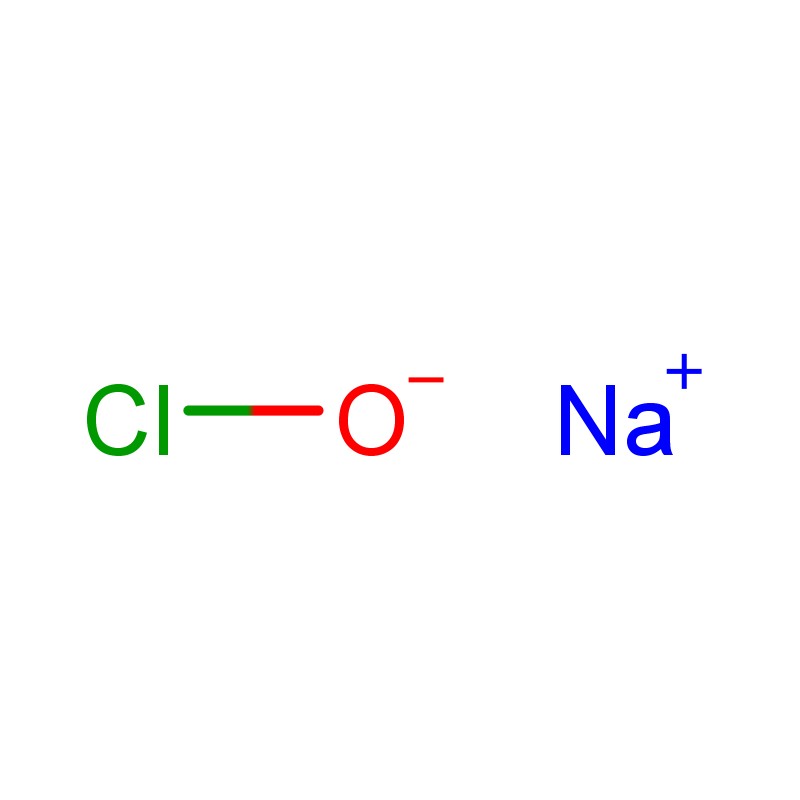
Sodium Hypochlorite is an aqueous solution containing the hypochlorite ion and is commonly represented by the chemical formula NaOCl. When added to water, it participates in chemical equilibria that produce hypochlorous acid and hypochlorite ions. Hypochlorous acid plays an important role in chlorine-based disinfection.
This chemistry gives Sodium Hypochlorite its strong oxidizing and antimicrobial properties. It can react with microorganisms and various organic substances, which is why it is useful in applications where microbial control or oxidation is required.
Another important advantage is its liquid form. Compared with some alternative chlorine products, liquid Sodium Hypochlorite can be fed directly into dosing systems, making it practical for continuous industrial processes.
What Are the Main Applications of Sodium Hypochlorite?
The versatility of Sodium Hypochlorite explains its broad demand across different industries. Although the chemical itself is similar, the required specification and operating conditions can vary significantly from one application to another.
Water Treatment
Water treatment is one of the most established applications. Sodium Hypochlorite can be dosed into water systems to control microorganisms and maintain an appropriate disinfectant residual. Municipal facilities, commercial water systems, and industrial water-treatment plants may use it as part of their disinfection processes.
Effective dosing requires consideration of the water's chlorine demand, organic content, pH, temperature, contact time, and target residual. Simply increasing the chemical dose does not necessarily produce a better treatment result.
Wastewater Treatment
Wastewater can contain significant amounts of organic matter and other substances that react with chlorine. Sodium Hypochlorite may therefore be used when microbial control or oxidation is required during wastewater treatment.
Because wastewater characteristics vary considerably, dosing systems are normally designed around the actual chlorine demand and treatment objective. Monitoring is important when consistent discharge or process performance is required.
Industrial Sanitation
Sodium Hypochlorite is also used for sanitation in suitable industrial environments. Its strong oxidizing properties can help control microorganisms on compatible surfaces and within selected process systems.
Industrial users should always confirm material compatibility before application. Stainless steel, plastics, elastomers, coatings, and other materials may have different resistance to chlorine-containing solutions depending on concentration, temperature, exposure time, and operating conditions.
Food Processing
Chlorine-based chemicals can be used in certain food-processing sanitation applications where permitted by applicable regulations. The exact concentration, contact time, rinsing procedure, and product specification must be established according to the particular process and local requirements.
Chemical and Manufacturing Processes
Beyond disinfection, Sodium Hypochlorite can serve as an oxidizing agent in selected chemical processes. In these applications, buyers may place greater emphasis on concentration accuracy, impurity control, consistency between batches, and compatibility with other process chemicals.
What Factors Determine Sodium Hypochlorite Performance?
Two Sodium Hypochlorite products with similar stated concentrations may not necessarily perform identically under every operating condition. The following factors can have a significant influence on practical performance.
| Factor | Effect on Application |
|---|---|
| Available Chlorine | Indicates the effective chlorine capacity available for oxidation and disinfection. |
| Concentration | Determines the amount of solution required to achieve a target chlorine dose. |
| pH | Affects the balance between hypochlorous acid and hypochlorite ion. |
| Temperature | Influences reaction behavior and the rate of product degradation during storage. |
| Organic Load | Can consume available chlorine and increase the chemical demand. |
| Storage Time | Long storage can reduce available chlorine as the solution gradually decomposes. |
For this reason, a technical specification should be developed around the actual application. A water-treatment operator, for example, may focus heavily on available chlorine, impurity control, storage stability, and regulatory requirements, while a chemical manufacturer may have additional process-specific purity requirements.
How Does Sodium Hypochlorite Concentration Affect Purchasing?
Concentration is one of the first specifications buyers normally discuss with a chemical supplier. It directly affects dosing volume, transportation requirements, storage capacity, and chemical consumption calculations.
A higher concentration can reduce the volume of liquid required to supply a specific amount of available chlorine. However, higher-strength solutions can also require greater attention to temperature control, storage conditions, container compatibility, and product stability.
For buyers comparing different suppliers, it is therefore important to compare equivalent specifications. Looking only at the price per kilogram or ton may create a misleading impression if the quoted products have different concentrations or available-chlorine values.
Important Information to Compare
- Nominal Sodium Hypochlorite concentration
- Available chlorine specification
- Free alkali or stabilizing parameters where applicable
- Relevant impurity limits
- Production date and expected shelf life
- Packaging type and capacity
- Storage and transportation conditions
- Certificate of Analysis availability
How Should Sodium Hypochlorite Be Stored?
Storage has a direct effect on the usable strength of Sodium Hypochlorite. The solution gradually decomposes, and the degradation rate can increase under unfavorable conditions such as elevated temperature and prolonged exposure to light.
The World Health Organization has highlighted the importance of cool storage, protection from direct sunlight, appropriate containers, stock rotation, and avoiding unnecessary long-term storage of hypochlorite solutions. Storage degradation can reduce available chlorine and may also contribute to the formation of chlorate and chlorite.
Recommended Storage Practices
- Store Sodium Hypochlorite in a cool and suitable chemical-storage area.
- Protect containers from direct sunlight and excessive heat.
- Use containers and equipment compatible with the chemical.
- Keep storage containers properly closed when not in use.
- Clearly identify production and receiving dates.
- Apply appropriate stock rotation procedures.
- Avoid unnecessary long-term storage.
- Keep Sodium Hypochlorite separated from incompatible chemicals.
Particular care should be taken to prevent contact with acids or ammonia-containing chemicals. Such reactions can release hazardous gases. Chemical storage and handling should always follow the current Safety Data Sheet and applicable local regulations.
What Should Industrial Buyers Check Before Ordering?
For B2B procurement, a clear technical specification can prevent many problems later in the supply chain. Buyers should communicate their actual application and operating requirements rather than requesting a product solely by its common name.
Application Requirements
Tell the supplier how the Sodium Hypochlorite will be used. Water treatment, wastewater treatment, sanitation, chemical processing, and other applications may require different quality parameters.
Required Concentration
Specify the target concentration and acceptable tolerance. If the chemical will be fed through an automated dosing system, the concentration should be consistent with the equipment and dosing calculations.
Quality Documentation
For industrial procurement, buyers may request a Certificate of Analysis showing relevant test results for each batch. Depending on the application, documentation may include concentration, available chlorine, impurity limits, production date, and other agreed parameters.
Packaging and Logistics
Packaging should be appropriate for the product concentration, shipping method, storage environment, and expected consumption rate. Delivery frequency should also be considered because prolonged storage can reduce product strength.
What Common Sodium Hypochlorite Purchasing Mistakes Should Be Avoided?
Focusing Only on Price
The lowest quoted price does not necessarily represent the lowest overall operating cost. Concentration, available chlorine, product freshness, transportation, storage losses, and documentation should be considered together.
Ignoring Production Date
Sodium Hypochlorite gradually loses available chlorine during storage. Purchasing material without checking production date and expected storage time can create differences between the specification at shipment and the usable strength at the time of application.
Using Poor Storage Conditions
Heat and direct sunlight can accelerate decomposition. Even a correctly manufactured product may lose strength more quickly when stored under unfavorable conditions.
Assuming One Grade Fits Every Application
Water treatment, wastewater treatment, food processing, industrial sanitation, and chemical manufacturing can have different technical and regulatory requirements. The product specification should therefore be matched to the final use.
Failing to Consider Compatibility
Storage tanks, pumps, pipes, valves, dosing equipment, and seals must be selected with chemical compatibility in mind. Compatibility depends on concentration, temperature, exposure time, and material type.
How Can Buyers Evaluate a Sodium Hypochlorite Supplier?
A reliable chemical supplier should be able to provide clear technical information rather than only a product name and price. For recurring industrial supply, buyers can evaluate several practical aspects before establishing a long-term purchasing relationship.
- Clearly defined product specifications
- Consistent batch quality
- Relevant testing and quality documentation
- Traceable production and batch information
- Suitable packaging and transportation arrangements
- Ability to support recurring orders
- Responsive communication regarding technical requirements
- Understanding of application-specific chemical requirements
Leache Chem LTD. works with professional chemical buyers and can discuss Sodium Hypochlorite requirements based on application, concentration, quantity, packaging, destination, and documentation needs. For buyers managing recurring consumption, discussing expected demand and delivery frequency in advance can help establish a more practical supply arrangement.
Frequently Asked Questions About Sodium Hypochlorite
Sodium Hypochlorite is mainly used for water disinfection, wastewater treatment, sanitation, oxidation, industrial cleaning, and selected chemical processes. The required specification depends on the application.
Yes. Sodium Hypochlorite is widely used as a chlorine-based disinfectant because it generates active chlorine species in aqueous solution. Actual effectiveness depends on concentration, pH, contact time, temperature, organic load, and other process conditions.
Yes. Sodium Hypochlorite gradually decomposes during storage, which can reduce available chlorine. Higher temperatures and unfavorable storage conditions can accelerate this process.
It should generally be stored in a cool, suitable, well-managed chemical-storage area and protected from direct sunlight and excessive heat. Compatible containers should be used, and stock should be rotated appropriately.
Available chlorine is a measure used to express the oxidizing chlorine capacity of the solution. It is an important specification for applications such as disinfection and water treatment.
Yes, it is widely used for drinking-water disinfection. However, the product must meet the requirements applicable to potable-water treatment in the relevant market, and dosing and monitoring should be properly controlled.
Useful quotation information includes the required concentration, quantity, packaging, destination, application, delivery schedule, and documentation requirements. Providing these details helps suppliers prepare a more accurate commercial and technical proposal.
A specification may include concentration, available chlorine, relevant impurity limits, free alkali, appearance, packaging, production date, testing requirements, and applicable regulatory requirements. The exact parameters depend on the intended use.
Looking for a Reliable Sodium Hypochlorite Supply?
Selecting the right Sodium Hypochlorite is an important part of maintaining consistent treatment and industrial process performance. Instead of evaluating the chemical only by price or nominal concentration, buyers should consider available chlorine, product freshness, storage conditions, packaging, quality documentation, and the specific requirements of the final application.
Leache Chem LTD. can discuss Sodium Hypochlorite supply requirements for professional and industrial applications. Whether you need a regular bulk supply, a defined concentration, specific packaging, or application-related documentation, our team can work with your purchasing and technical requirements.
Contact us with your required concentration, quantity, packaging, destination, and application details to discuss product specifications and obtain a suitable quotation.