

Sodium perchlorate (NaClO4, CAS No. 7601-89-0) is a white crystalline inorganic salt and a strong oxidizing agent. Its suitability for a particular application depends on chemical specifications, purity, moisture characteristics, packaging integrity, regulatory compliance, and safe handling arrangements. This guide covers product identification, general properties, quality evaluation, supplier assessment, storage considerations, transportation documentation, and frequently asked questions to help buyers reduce sourcing risks.
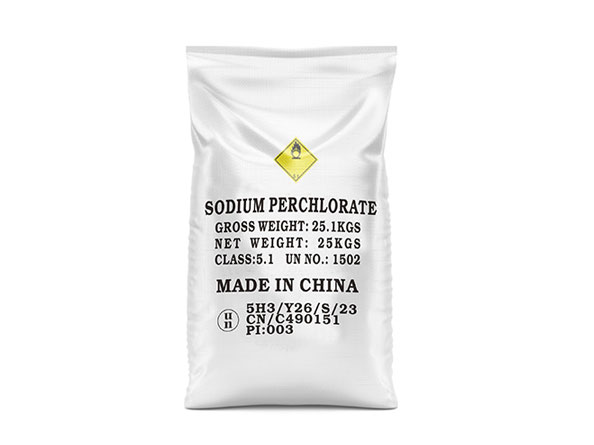
1. Sodium Perchlorate at a Glance
Sodium perchlorate is an inorganic salt composed of sodium ions and perchlorate ions. Its chemical formula is NaClO4, and its commonly referenced anhydrous form has a molecular weight of approximately 122.44 g/mol. The compound is also identified by CAS Registry Number 7601-89-0.
For commercial buyers, these identifiers provide a starting point for confirming product identity. They should be checked against the supplier's product specification, safety data sheet (SDS), certificate of analysis (COA), and applicable purchasing documentation.
One important distinction is that sodium perchlorate may be supplied in different forms, including anhydrous material and hydrated material. These forms have different molecular weights and may differ in their water content and other relevant specifications. Buyers should therefore avoid treating all products labeled sodium perchlorate as automatically interchangeable.
| Identification Item | General Information |
|---|---|
| Product name | Sodium perchlorate |
| Chemical formula | NaClO4 |
| CAS number | 7601-89-0 for the anhydrous compound |
| Molecular weight | Approximately 122.44 g/mol for the anhydrous form |
| General appearance | Typically a white crystalline solid |
| Key chemical characteristic | Strong oxidizing properties |
| Primary procurement concern | Verified specifications, documentation, and safe supply arrangements |
Product identification reference: PubChem, Sodium Perchlorate, CID 522606. Product-specific specifications should always be confirmed with the supplier.
2. Key Chemical Properties Buyers Should Understand
Understanding the basic properties of sodium perchlorate helps procurement teams assess whether a proposed grade is suitable for their documented requirements. It also supports better communication between purchasing, quality assurance, technical, and safety personnel.
2.1 Appearance and Physical Form
Sodium perchlorate is generally described as a white crystalline solid. Appearance can provide a preliminary indication of product condition, but it cannot independently establish identity, purity, or compliance. A visually uniform material may still require analytical testing before acceptance.
Buyers should establish whether the requested product is anhydrous or hydrated and specify any relevant requirements for appearance, moisture content, and physical consistency. Acceptance criteria should be based on the intended application and an agreed technical specification.
2.2 Solubility and Moisture Considerations
Sodium perchlorate is highly soluble in water. Moisture-related characteristics can be relevant to storage, packaging, analytical results, and product consistency. A product's actual moisture specification should be confirmed from the applicable product documents rather than assumed from its name or appearance.
For international buyers, clear agreement on the product form and moisture-related testing can prevent disputes involving apparent differences in weight, analytical results, or conformity to an order.
2.3 Oxidizing Behavior
The most important safety characteristic of sodium perchlorate is its strong oxidizing behavior. Although the material itself is not ordinarily classified as a combustible substance, it can intensify the burning of other materials. Contact with incompatible combustible or reducing substances, contamination, and exposure to fire or excessive heat can create serious hazards.
This characteristic has direct implications for warehouse planning, transport classification, packaging selection, and emergency preparedness. Sodium perchlorate should be managed according to its current SDS, applicable regulations, and the instructions of trained chemical safety personnel.
3. Applications and Industry Considerations
Sodium perchlorate has uses in specialized chemical and laboratory contexts. The suitability of a particular grade depends on the actual application, applicable regulations, and the quality requirements established by the end user.
3.1 Laboratory and Analytical Work
In laboratory environments, chemical identity and documented purity are important because unwanted impurities may affect analytical results or interfere with a defined procedure. Laboratories should select material according to the validated method or technical specification they use.
Procurement teams should ask whether the offered grade is appropriate for the intended analytical purpose and whether its certificate of analysis provides the necessary test results. A general industrial grade should not automatically be assumed to meet laboratory-grade requirements.
3.2 Specialized Chemical Manufacturing
In industrial chemistry, sodium perchlorate may be relevant to controlled manufacturing processes that require specific raw-material characteristics. The purchasing decision should be based on the process owner's approved specifications, documented risk assessment, and relevant legal requirements.
Before sourcing the product, manufacturers should confirm that the proposed material is suitable for the intended process and that their facilities are equipped and authorized to handle an oxidizing chemical. Any application involving energetic materials or other high-hazard systems requires appropriately qualified professionals and strict regulatory oversight.
3.3 Research and Technical Development
Research organizations may require traceable chemicals for reproducibility and documentation. Batch identification, supplier records, analytical results, and consistent specifications help researchers determine whether material from different deliveries is suitable for their established work.
For research procurement, it is useful to define acceptance criteria before requesting quotations. This reduces uncertainty when comparing products offered under similar commercial names but with different grades or documentation.
3.4 Match the Grade to the Actual Requirement
There is no single product specification that is automatically suitable for every application. Buyers should communicate the intended legitimate use, required grade, acceptance criteria, and local compliance requirements to a qualified supplier before placing an order.
4. How to Evaluate Sodium Perchlorate Quality
One of the main challenges in chemical procurement is determining whether a quoted product will meet the buyer's actual technical requirements. Price and product name alone do not provide enough information. A structured review of specifications and supporting documents is more reliable.
4.1 Confirm Chemical Identity
Start by confirming the product name, CAS number, chemical formula, and physical form. If a supplier offers a hydrated form, confirm that this matches the intended requirement. Clear identification reduces the risk of ordering an unsuitable material or comparing non-equivalent products.
4.2 Review the Certificate of Analysis
A certificate of analysis should correspond to the product and batch being supplied. Depending on the grade, the document may include an assay result, specified impurity results, moisture-related data, and relevant test methods.
Buyers should check the following points:
- The product name and batch or lot number are clearly identified.
- Reported results can be compared with the agreed specification.
- Units, test methods, and acceptance limits are understandable.
- The document is traceable to the supplier and supplied batch.
- Any required additional testing is agreed upon before shipment.
4.3 Check the Safety Data Sheet
The SDS explains the product's hazards, handling precautions, storage requirements, exposure controls, emergency measures, and transport information. Buyers should ensure that the SDS applies to the actual product and is current for the relevant jurisdiction.
An SDS should be reviewed by the receiving organization's safety personnel before the first delivery. If the hazard classification, packaging, or shipping information is unclear, obtain clarification before the product is dispatched.
4.4 Evaluate Packaging Integrity
Packaging should be appropriate for the product, compatible with its chemical properties, and compliant with applicable transport rules. Buyers should agree on package type, unit size, labeling, batch identification, and the process for reporting damaged packaging.
Packaging descriptions should be supported by the supplier's actual product and shipping documentation. Do not assume that a package suitable for one chemical or transport route is suitable for another.
4.5 Establish Incoming Inspection Criteria
Before accepting a shipment, receiving personnel should verify the order against the accompanying documentation. Any discrepancies in labeling, lot numbers, package condition, or paperwork should be handled under the organization's established quality procedures.
Sampling and testing should be performed only by appropriately trained personnel under approved procedures and suitable safety controls. Suspect or damaged material should be isolated and escalated to qualified safety personnel rather than handled informally.
5. A Practical Purchasing Checklist for Industrial Buyers
A clear purchase specification improves quotation accuracy and reduces misunderstandings between buyers and suppliers. It also helps companies evaluate total procurement risk instead of focusing only on the unit price.
Before Requesting a Quotation
- Define the required product form and chemical identity.
- Specify the grade and required acceptance criteria.
- Identify the documentation needed for approval.
- Confirm the destination country's import and chemical requirements.
- Establish the expected order quantity and delivery schedule.
- Verify that the receiving site can legally and safely accept the material.
| Purchasing Factor | Question to Ask | Why It Matters |
|---|---|---|
| Product identity | Does the offered product match the requested chemical form? | Prevents substitution and specification mismatches. |
| Quality specification | Are the required limits and test methods documented? | Supports consistent acceptance decisions. |
| Batch documentation | Can the supplier provide a traceable COA? | Improves quality verification and traceability. |
| Safety documentation | Is a current, applicable SDS available? | Supports workplace safety and hazard communication. |
| Packaging | Is the packaging suitable and compliant for the shipment? | Reduces damage, contamination, and transport risks. |
| Logistics | Can the carrier and destination receive the regulated material? | Helps avoid shipping delays and rejected deliveries. |
| Commercial terms | Are lead time, quantity, payment, and delivery terms clear? | Improves cost planning and supply continuity. |
Compare Total Cost, Not Just the Quoted Price
A lower unit price does not necessarily mean a better procurement outcome. Buyers should consider the complete cost of obtaining an approved product, including testing, compliant packaging, regulated transport, import charges, storage arrangements, and any additional quality checks.
Comparisons are most meaningful when every supplier quotes against the same specification, quantity, destination, documentation requirements, and delivery terms. This approach makes differences in the offers easier to identify and discuss.
6. Storage, Handling, and Safety Considerations
Safe management of sodium perchlorate begins before the shipment arrives. The receiving organization should confirm that its facilities, personnel, emergency arrangements, and written procedures are suitable for the material's oxidizing hazards.
6.1 Segregation and Storage
Sodium perchlorate should be kept away from combustible materials and incompatible substances, including reducing agents, in accordance with the product-specific SDS and applicable local requirements. Storage arrangements should be selected by qualified personnel who understand oxidizer segregation and the site's fire protection provisions.
Containers should remain appropriately closed and protected from physical damage. Environmental conditions, inspection frequency, and any additional requirements should follow the supplier's documentation and the receiving facility's approved chemical management procedures.
6.2 Personnel Protection and Training
Personnel who may receive or handle sodium perchlorate should be trained in its hazards, labeling, safe work procedures, and emergency reporting requirements. Appropriate engineering controls and personal protective equipment should be selected through a documented risk assessment.
Employees should understand how to prevent contamination, recognize damaged packages, restrict access when necessary, and notify the responsible safety team. Protective equipment is not a substitute for suitable facilities, training, and segregation.
6.3 Spills and Emergencies
Unexpected releases should be treated seriously because contamination or contact with incompatible materials may increase the hazard. Personnel should follow the facility's emergency plan and the product-specific SDS. Untrained individuals should not attempt to clean up an unknown, substantial, or potentially contaminated spill.
If a fire, significant release, damaged container, or suspected hazardous reaction occurs, move away from the affected area and contact the designated emergency response team or local emergency services. Responders should use the applicable emergency guidance for the specific material and incident.
6.4 Waste Management
Unused product, contaminated packaging, and cleanup materials should be evaluated and managed under applicable hazardous waste requirements. They should not be disposed of through ordinary waste streams or drains unless an authorized procedure explicitly permits it.
Consult qualified environmental, health, and safety personnel to determine the appropriate disposal route and required records. Requirements can vary by jurisdiction and by the nature of the waste.
7. Packaging, Transportation, and Documentation
International procurement involves more than selecting a product and arranging freight. Because sodium perchlorate is an oxidizer, its transport may be subject to specific classification, packaging, labeling, documentation, and carrier acceptance requirements.
7.1 Verify the Transport Classification
Transport requirements depend on the applicable regulations, the actual product, and the mode of transport. Sodium perchlorate is identified in United States transport references as UN 1502, Division 5.1, an oxidizing substance. Shippers must independently verify the applicable classification and requirements for the specific consignment and route.
Buyers should not rely solely on a commercial invoice or an informal product description to establish shipping eligibility. The supplier and qualified dangerous-goods logistics provider should confirm the required documentation and packaging before dispatch.
7.2 Confirm the Required Documents
- Commercial invoice and packing list, where applicable.
- Product-specific safety data sheet.
- Certificate of analysis or other agreed quality documentation.
- Applicable dangerous-goods transport declaration and shipping documents.
- Import permits, registrations, or other authorizations where required.
- Additional certificates required by the destination market or purchase contract.
Not every shipment requires exactly the same document set. The final requirements should be confirmed by the relevant authorities, importer, carrier, and qualified logistics provider.
7.3 Reduce the Risk of Delivery Delays
Before confirming a delivery date, verify that the receiving facility is authorized and prepared to accept the chemical, the proposed carrier accepts the shipment, and all required paperwork is available. Also establish how the parties will communicate about delays, damaged packages, and documentation discrepancies.
Early coordination is particularly valuable for cross-border shipments, where incomplete declarations or incorrect assumptions about regulated cargo can create additional cost and administrative work.
8. What to Look for in a Sodium Perchlorate Supplier
A dependable chemical supplier should help buyers establish a clear understanding of product identity, quality requirements, documentation, and delivery arrangements. A professional relationship is built on verifiable information rather than broad claims about quality or service.
8.1 Transparent Technical Information
Look for a supplier that can explain the product form, provide relevant specifications, and identify the documents available for the supplied batch. Technical questions should receive clear answers, and any limits to the available documentation should be disclosed before an order is confirmed.
8.2 Consistent Quality Procedures
Ask how batches are identified, how test results are documented, and how product discrepancies are investigated. Buyers may also request information about applicable quality management systems, subject to verification and the supplier's actual certifications.
Consistency is especially important when a chemical is used in a controlled analytical or manufacturing process. Agreed acceptance criteria and documented change communication help reduce avoidable variation between orders.
8.3 Clear Commercial Communication
Professional procurement requires transparent information about minimum order quantities, lead times, payment terms, delivery conditions, packaging, and document availability. These details should be recorded in the quotation or purchase agreement wherever practical.
8.4 Responsible Supply Practices
A responsible supplier should recognize that oxidizing chemicals require appropriate controls throughout the supply chain. Buyers should expect reasonable cooperation with legitimate compliance checks and requests for information needed to establish safe and lawful delivery.
Feixiang can be included in your supplier evaluation process by requesting the specific product information, quality documents, commercial terms, and compliance details relevant to your purchasing requirements. Confirm all product availability, technical capabilities, certifications, and shipping arrangements directly before making a purchasing decision.
9. Frequently Asked Questions About Sodium Perchlorate
Q1. What is the chemical formula of sodium perchlorate?
The chemical formula of anhydrous sodium perchlorate is NaClO4. Its molecular weight is approximately 122.44 g/mol. Buyers should verify the formula and molecular weight against the actual product form, especially when comparing anhydrous material with hydrated forms.
Q2. What is the CAS number of sodium perchlorate?
The CAS number commonly listed for anhydrous sodium perchlorate is 7601-89-0. The identifier for a hydrated form may differ, so the CAS number should always be checked against the product's exact identity and documentation.
Q3. What does sodium perchlorate look like?
It is generally described as a white crystalline solid. Appearance alone cannot confirm chemical identity, purity, or suitability. A buyer should use the supplier's specification and appropriate analytical documentation for acceptance.
Q4. Is sodium perchlorate flammable?
Sodium perchlorate is an oxidizing substance rather than an ordinary combustible material. However, it can intensify the burning of other materials and may present serious fire or explosion hazards under certain conditions, including exposure to heat or incompatible substances.
Q5. Is sodium perchlorate soluble in water?
Yes. Sodium perchlorate is highly soluble in water. Its actual behavior and suitability for a specific application should be assessed using the correct product form and relevant technical documentation.
Q6. What documents should buyers request?
Commonly requested documents include a current safety data sheet, a product specification, a batch-specific certificate of analysis, and relevant shipping or regulatory documents. The exact requirements depend on the grade, destination, application, and applicable laws.
Q7. How should sodium perchlorate be stored?
Storage must follow the product-specific SDS and local requirements. In general, the material must be segregated from incompatible combustible substances and reducing agents, protected from physical damage, and managed by trained personnel using suitable facilities.
Q8. How can buyers compare different sodium perchlorate offers?
Compare product form, grade, specification, analytical documentation, packaging, regulatory compliance, delivery terms, and total landed cost. Ensure that every quotation refers to the same technical requirements before comparing prices.
Q9. Can sodium perchlorate be shipped internationally?
International shipment may be possible when the shipment complies with applicable dangerous-goods transport regulations, export and import controls, carrier requirements, and destination-country laws. The shipper and importer should verify all applicable requirements before dispatch.
Q10. What should be confirmed before placing an order with Feixiang?
Confirm the exact product identity, required grade, agreed specification, available batch documentation, packaging, delivery schedule, applicable compliance requirements, and commercial terms. Verify product availability and all supplier capabilities directly before finalizing the purchase.
10. Making a More Informed Sodium Perchlorate Purchasing Decision
Sodium perchlorate is a specialized inorganic chemical whose oxidizing properties make technical verification and responsible handling essential. A successful procurement decision begins with accurate product identification and continues through specification review, batch documentation, supplier evaluation, safe storage planning, and compliant transportation.
Rather than relying on price or a general product description, buyers should define their acceptance criteria, request traceable documentation, and confirm that the supply chain can meet their legal and safety obligations. This process supports more predictable purchasing, better quality control, and fewer avoidable delivery problems.
For organizations evaluating Feixiang as a potential supplier, a clear discussion of technical requirements, documentation, and delivery conditions is a practical starting point for determining whether the offered product meets the project's needs.
Discuss Your Chemical Sourcing Requirements with Feixiang
Looking for product information, quality documentation, or clarification of purchasing requirements for sodium perchlorate? Feixiang welcomes qualified business inquiries and encourages buyers to specify their required product form, technical standards, documentation needs, and delivery destination.
Contact our team to discuss your requirements, confirm the information available for evaluation, and clarify applicable supply and compliance conditions before placing an order.
Ready to discuss your requirements? Contact us to start the conversation with Feixiang.
Product availability, specifications, certifications, and delivery arrangements must be confirmed directly. All handling, storage, and transport must comply with the applicable product safety documentation and regulations.