

What Is the Difference Between Crude Oil and Petrochemicals
2025-12-15
Understanding the distinction between crude oil and petrochemicals is fundamental in the energy and manufacturing sectors. While both are derived from petroleum resources, they serve vastly different purposes in the global market. As a leading supplier, AECOCHEM specializes in transforming foundational resources into essential industrial building blocks. This article will clarify these key differences and highlight how our product portfolio bridges the gap between raw material and final application.
Simply put, crude oil is the unrefined, naturally occurring fossil fuel extracted from the earth. Petrochemicals, on the other hand, are the complex chemical products manufactured by refining crude oil and natural gas. Think of crude oil as the raw ingredient, while petrochemicals are the sophisticated, value-added components.
The transformation happens through processes like distillation and cracking in refineries and petrochemical plants. Crude oil is first separated into fractions such as naphtha, which is then used as the primary feedstock to produce basic petrochemicals like ethylene, propylene, and benzene. These are the foundational molecules for countless materials.
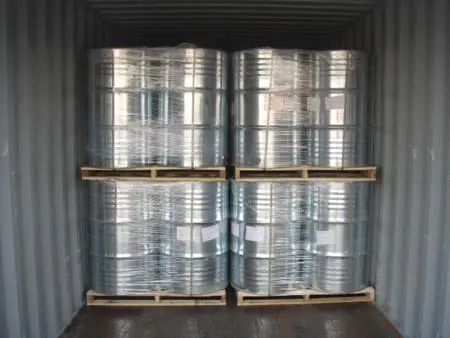
AECOCHEM focuses on supplying these critical intermediates and derivatives. Our product parameters are tailored for industrial excellence:
-
High Purity Grades: Ensuring consistency and optimal reaction yields in your manufacturing processes.
-
Strict Specifications: Each product meets precise industry standards for composition and impurity levels.
-
Reliable Logistics: Secure and efficient global supply chain management for just-in-time delivery.
For a clearer comparison, see the table below:
| Feature | Crude Oil | Petrochemicals |
|---|---|---|
| State | Liquid Mixture | Gases, Liquids, or Solids (Polymers) |
| Composition | Complex blend of hydrocarbons | Specific, isolated chemical compounds (e.g., Ethylene) |
| Primary Use | Refined into fuels (gasoline, diesel) | Used as raw materials for plastics, fertilizers, synthetics |
| Value Chain Position | Raw Material | Intermediate/Finished Chemical Product |
Petrochemicals FAQ
Q: What are the most common everyday items made from petrochemicals?
A: An astonishing range of items rely on petrochemicals. This includes plastics for packaging and electronics, synthetic fibers like polyester and nylon in clothing, tires for vehicles, detergents, fertilizers for agriculture, and even components in pharmaceuticals and medical equipment.
Q: Are petrochemicals and plastics the same thing?
A: Not exactly. Petrochemicals are the basic chemical building blocks (like ethylene). Plastics, such as polyethylene, are polymers created by chemically linking thousands of these petrochemical molecules together in a process called polymerization.
Q: How does AECOCHEM ensure the quality of its petrochemical products?
A: At AECOCHEM, we implement rigorous quality control at every stage. From sourcing select feedstocks to employing advanced refining and separation technologies, we guarantee products that meet exacting petrochemical industry specifications. Our certified labs perform continuous testing to ensure purity, stability, and performance for our clients' specific applications.
Navigating the complex landscape from crude oil to specialized petrochemicals requires a trusted partner with deep expertise and reliable supply. AECOCHEM stands as that essential link, providing the high-quality chemical intermediates that drive modern industry. For detailed product specifications, technical data sheets, or to discuss your specific petrochemical needs, please contact us today. Our team of experts is ready to support your projects and deliver solutions that add tangible value to your supply chain.