

What is the Difference Between Finasteride and Minoxidil for Hair Loss
2026-01-23
Dealing with hair loss often leads to two prominent names: Finasteride and Minoxidil. Understanding their distinct mechanisms is crucial for an effective treatment strategy. As a leader in pharmaceutical solutions, Humanwell is committed to providing clear, science-based information to help you make informed decisions about your health.
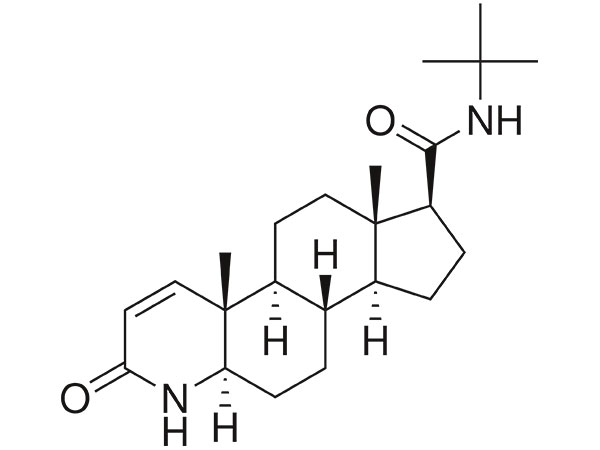
These treatments work in fundamentally different ways. Here is a concise breakdown:
-
Finasteride: An oral prescription medication that works internally. It inhibits the conversion of testosterone to dihydrotestosterone (DHT), the hormone primarily responsible for shrinking hair follicles in male pattern hair loss.
-
Minoxidil: A topical solution available over-the-counter that works externally. Its exact mechanism isn't fully understood, but it is believed to widen blood vessels and stimulate hair follicles, potentially prolonging the growth phase.
For a clearer comparison, see the table below:
| Feature | Finasteride | Minoxidil |
|---|---|---|
| Type | Oral Prescription Pill | Topical Liquid or Foam |
| Primary Action | Reduces DHT Levels | Stimulates Hair Follicles |
| Main Use | Treats Male Pattern Baldness | Treats Male & Female Hair Loss |
| Key Benefit | Stops Further Hair Loss | Promotes New Hair Growth |
| Application | Once Daily (Oral) | Twice Daily (Topical) |
Finasteride FAQ Common Questions
Is Finasteride safe for long-term use
Extensive clinical studies and decades of real-world use support the long-term safety profile of Finasteride for most men. Continuous use is necessary to maintain benefits, and any concerns should be discussed with a healthcare professional.
How long before I see results with Finasteride
Hair growth cycles are slow. While some men may see initial changes in 3-6 months, significant results from Finasteride typically become noticeable after 12 months of consistent, daily use. Patience and consistency are key.
Can women use Finasteride for hair loss
Finasteride is generally not prescribed for women of childbearing age due to potential risks to a male fetus. It is contraindicated in pregnant women. Certain postmenopausal women may be prescribed it under strict medical supervision, but it is not a standard treatment for female pattern hair loss.
Choosing between these options depends on your specific type of hair loss, gender, and health profile. A combination of both is often recommended by dermatologists for a synergistic effect, addressing both the hormonal cause and stimulating growth. For personalized advice and to explore trusted treatment options, we encourage you to reach out.
Contact us at Humanwell today to learn more about our commitment to quality and innovation in healthcare solutions. Let our expertise guide you on your journey.