
What Is Transglutaminase and Why Is It Essential in Modern Food Processing?
2026-06-08
In today's food industry, manufacturers are constantly seeking innovative ingredients that can improve texture, enhance product quality, increase production efficiency, and reduce costs. One ingredient that has gained significant attention is Transglutaminase. Often referred to as a "protein cross-linking enzyme," Transglutaminase plays a critical role in the production of meat products, dairy products, seafood, and various processed foods.
As consumer demand for high-quality food products continues to rise, food manufacturers are increasingly turning to Transglutaminase to create products with superior texture, stability, and sensory appeal. Understanding how this enzyme works and the benefits it provides can help businesses make informed decisions when selecting food processing solutions.
What Is Transglutaminase?
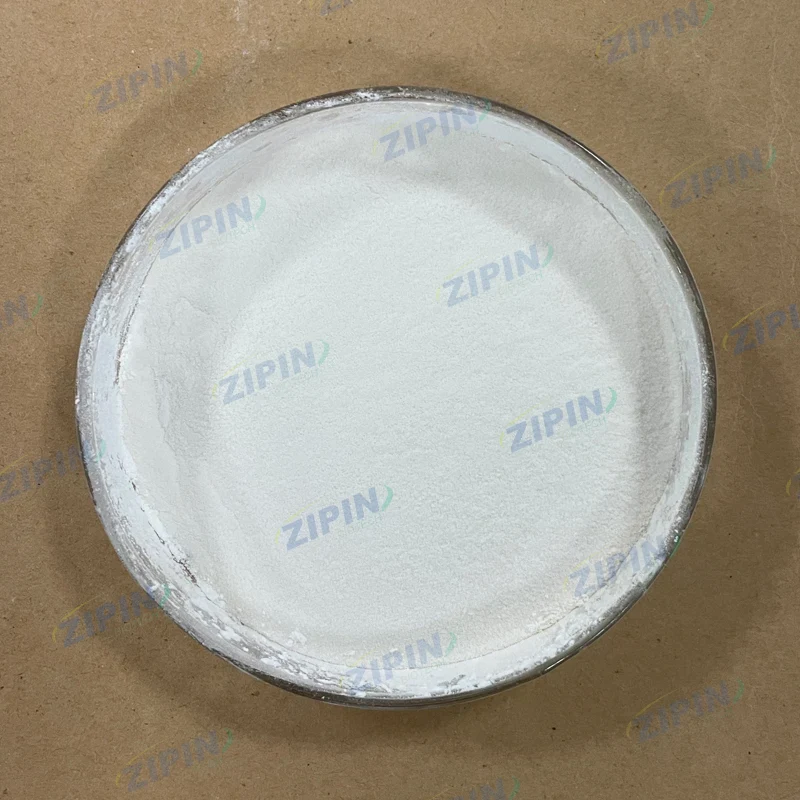
Transglutaminase (TGase) is an enzyme that catalyzes the formation of covalent bonds between protein molecules. Specifically, it links glutamine residues with lysine residues, creating strong protein networks that improve the structure and functionality of food products.
Unlike many chemical additives, Transglutaminase works naturally on proteins and is widely recognized as a safe and effective processing aid in the food industry.
Basic Characteristics of Transglutaminase
| Feature | Description |
|---|---|
| Product Type | Enzyme |
| Function | Protein Cross-Linking |
| Application | Meat, Dairy, Seafood, Bakery |
| Benefit | Improved Texture and Stability |
| Processing Method | Enzymatic Reaction |
| Industry Use | Food Manufacturing |
The unique ability of Transglutaminase to strengthen protein structures makes it one of the most valuable enzymes in modern food production.
How Does Transglutaminase Work?
The primary function of Transglutaminase is to create cross-links between proteins. These protein bonds enhance the structural integrity of food products, resulting in improved texture, water retention, elasticity, and overall quality.
The process can be summarized as follows:
-
Transglutaminase is added to a protein-rich food system.
-
The enzyme identifies glutamine and lysine amino acids.
-
Covalent bonds are formed between protein molecules.
-
A stronger protein network develops.
-
The final product exhibits improved texture and stability.
This reaction occurs under relatively mild processing conditions, making it suitable for a wide range of food applications.
Key Benefits of Transglutaminase
1. Improved Texture
One of the most recognized advantages of Transglutaminase is its ability to improve product texture. Foods become firmer, more elastic, and more appealing to consumers.
Examples include:
-
Sausages
-
Ham products
-
Yogurt
-
Cheese
-
Fish products
2. Enhanced Water Retention
Water retention is critical in food processing because moisture loss can negatively impact product quality and profitability.
Benefits include:
-
Reduced cooking loss
-
Increased product yield
-
Better juiciness
-
Improved shelf-life
3. Cost Optimization
By improving protein functionality, manufacturers can utilize raw materials more efficiently while maintaining product quality.
Advantages include:
-
Higher production yield
-
Reduced waste
-
Better resource utilization
-
Increased profitability
4. Improved Product Consistency
Consistency is essential for brand reputation. Transglutaminase helps manufacturers produce food products with uniform texture, appearance, and performance across batches.
5. Cleaner Product Formulations
Many food producers use Transglutaminase as part of their strategy to improve product functionality without relying heavily on additional additives.
Major Applications of Transglutaminase
Meat Processing
The meat industry is one of the largest users of Transglutaminase.
Applications include:
-
Restructured meat products
-
Ham production
-
Sausages
-
Beef products
-
Poultry products
Benefits:
-
Improved binding strength
-
Better slicing properties
-
Enhanced texture
-
Reduced production loss
Seafood Processing
Transglutaminase is widely used in seafood manufacturing.
Common applications include:
-
Fish fillets
-
Surimi products
-
Crab sticks
-
Shrimp products
Advantages:
-
Improved firmness
-
Better product integrity
-
Increased water-holding capacity
Dairy Products
In dairy applications, Transglutaminase can improve texture and stability.
Examples include:
-
Yogurt
-
Cheese
-
Ice cream
-
Fermented dairy beverages
Benefits:
-
Creamier texture
-
Enhanced viscosity
-
Improved stability
-
Reduced syneresis
Bakery Products
Bakers utilize Transglutaminase to strengthen protein networks and improve dough performance.
Benefits include:
-
Better dough elasticity
-
Improved volume
-
Enhanced crumb structure
-
Extended freshness
Why Is Transglutaminase Important for Food Manufacturers?
Food manufacturers face several challenges:
-
Rising raw material costs
-
Consumer demand for premium quality
-
Production efficiency requirements
-
Product consistency expectations
Transglutaminase addresses these challenges by improving protein functionality and optimizing manufacturing processes.
Comparison of Traditional Processing vs. Transglutaminase-Assisted Processing
| Factor | Traditional Processing | With Transglutaminase |
|---|---|---|
| Texture Quality | Moderate | Excellent |
| Water Retention | Lower | Higher |
| Product Yield | Standard | Increased |
| Consistency | Variable | Stable |
| Production Efficiency | Moderate | Improved |
| Consumer Acceptance | Good | Enhanced |
This comparison demonstrates why many food processors choose Transglutaminase as a strategic ingredient.
Selecting High-Quality Transglutaminase
Not all enzyme products are created equal. When choosing a supplier, manufacturers should evaluate:
Product Stability
A reliable Transglutaminase product should maintain consistent enzyme activity during storage and application.
Technical Support
Professional technical support helps optimize formulations and production processes.
Quality Assurance
Manufacturers should ensure that suppliers follow strict quality control standards and international manufacturing practices.
Industry Experience
An experienced supplier can provide customized solutions for various food applications.
Why Choose Jiangsu Zipin Biotech Co., Ltd.?
Jiangsu Zipin Biotech Co., Ltd. is a professional manufacturer specializing in enzyme technology and food ingredient solutions. With extensive industry experience and advanced production capabilities, the company provides high-quality Transglutaminase products for global food manufacturers.
Key advantages include:
-
Advanced biotechnology expertise
-
Consistent product quality
-
Professional technical support
-
Customized application solutions
-
Reliable global supply capability
Jiangsu Zipin Biotech Co., Ltd. is committed to helping customers improve product quality, optimize production efficiency, and achieve sustainable business growth through innovative enzyme solutions.
Future Trends of Transglutaminase
As the food industry continues to evolve, the demand for functional ingredients like Transglutaminase is expected to grow.
Emerging trends include:
-
High-protein foods
-
Plant-based protein products
-
Functional dairy products
-
Premium meat alternatives
-
Sustainable food processing
The versatility of Transglutaminase positions it as an important technology for future food innovation.
Conclusion
Transglutaminase has become an indispensable tool in modern food processing. Its ability to improve texture, increase water retention, enhance product consistency, and optimize production efficiency makes it valuable across multiple food categories. From meat and seafood to dairy and bakery applications, Transglutaminase helps manufacturers deliver superior products while maintaining cost-effectiveness.
For businesses seeking reliable enzyme solutions, Jiangsu Zipin Biotech Co., Ltd. offers professional-grade Transglutaminase products backed by technical expertise and industry experience. Whether you are looking to improve product quality, increase yield, or develop innovative food formulations, our team is ready to support your success.
Looking for premium Transglutaminase solutions for your food manufacturing needs? Contact us today to learn how Jiangsu Zipin Biotech Co., Ltd. can help enhance your products, improve efficiency, and drive business growth. Contact us now for professional consultation and customized solutions!