

What Is Zanubrutinib and Why Is It Important in Modern Hematologic Cancer Treatment?
2026-06-02
Zanubrutinib has emerged as one of the most significant targeted therapies in the treatment of various B-cell malignancies. As a next-generation Bruton's Tyrosine Kinase (BTK) inhibitor, Zanubrutinib is designed to provide effective disease control while minimizing some of the limitations associated with earlier BTK inhibitors. Its growing role in oncology has attracted the attention of healthcare providers, researchers, pharmaceutical distributors, and patients worldwide.
As the demand for innovative cancer therapies continues to increase, companies such as Cosper Pharma Tech Co., Ltd. are committed to supporting the global pharmaceutical industry with high-quality pharmaceutical intermediates, APIs, and customized solutions that contribute to the advancement of modern medicine.
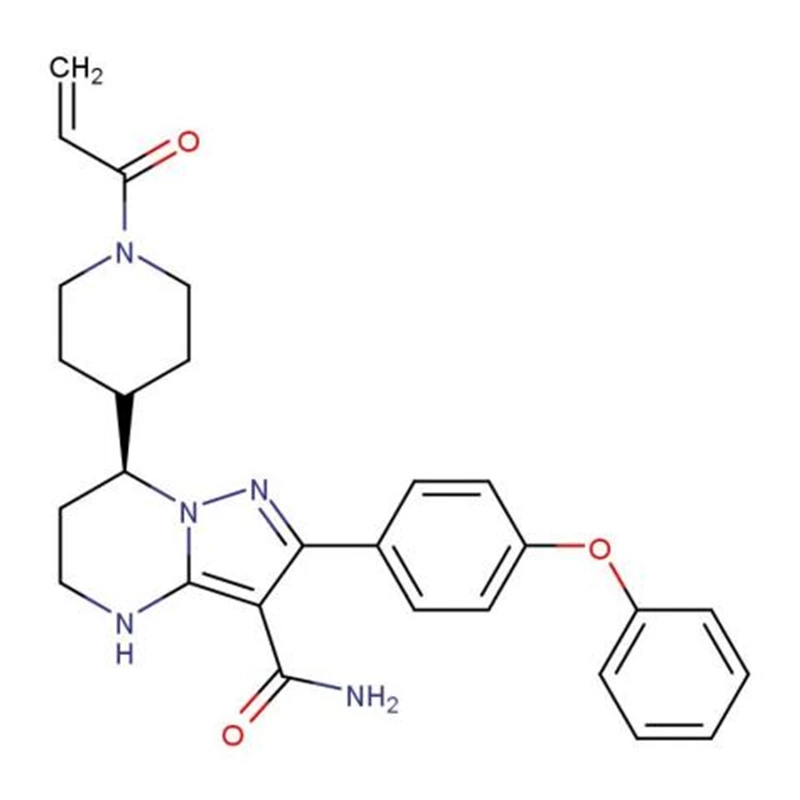
Understanding Zanubrutinib
Zanubrutinib is an oral small-molecule BTK inhibitor that selectively targets Bruton's Tyrosine Kinase, a critical enzyme involved in B-cell receptor signaling. By inhibiting BTK activity, Zanubrutinib disrupts the survival and proliferation of malignant B cells, helping to slow disease progression and improve patient outcomes.
It has demonstrated significant clinical efficacy in treating several hematologic cancers, including:
-
Chronic Lymphocytic Leukemia (CLL)
-
Small Lymphocytic Lymphoma (SLL)
-
Mantle Cell Lymphoma (MCL)
-
Waldenström Macroglobulinemia (WM)
-
Marginal Zone Lymphoma (MZL)
-
Other B-cell malignancies under investigation
Key Characteristics of Zanubrutinib
| Feature | Description |
|---|---|
| Drug Class | BTK Inhibitor |
| Administration | Oral |
| Target | Bruton's Tyrosine Kinase (BTK) |
| Primary Use | B-cell Malignancies |
| Mechanism | Blocks BTK signaling pathways |
| Clinical Benefit | Improved disease control and response rates |
The selective design of Zanubrutinib allows for sustained BTK occupancy while potentially reducing off-target effects that may occur with less selective inhibitors.
How Does Zanubrutinib Work?
The effectiveness of Zanubrutinib is based on its ability to interfere with intracellular signaling pathways essential for cancer cell survival.
Mechanism of Action
-
B-cell receptors activate BTK signaling.
-
BTK promotes cancer cell growth and survival.
-
Zanubrutinib binds irreversibly to BTK.
-
Signal transmission is interrupted.
-
Malignant B cells lose survival advantages.
-
Tumor progression is slowed or inhibited.
This targeted approach enables physicians to treat specific hematologic cancers with greater precision compared to conventional chemotherapy.
Benefits of Zanubrutinib
The increasing adoption of Zanubrutinib can be attributed to several important advantages.
High Selectivity
Zanubrutinib was specifically engineered to achieve greater selectivity for BTK, helping reduce interactions with other kinases.
Strong Clinical Response
Clinical studies have demonstrated impressive response rates across multiple B-cell malignancies, supporting its role as a preferred treatment option in many settings.
Convenient Oral Administration
Patients can take Zanubrutinib orally, eliminating the need for frequent intravenous treatments and improving treatment convenience.
Long-Term Disease Management
Many patients benefit from durable responses and prolonged disease control, contributing to improved quality of life.
Zanubrutinib vs Traditional Cancer Therapies
| Factor | Zanubrutinib | Traditional Chemotherapy |
|---|---|---|
| Treatment Type | Targeted Therapy | Cytotoxic Therapy |
| Selectivity | High | Low |
| Administration | Oral | Often Intravenous |
| Targeted Action | Yes | No |
| Impact on Healthy Cells | Reduced | Greater |
| Long-Term Management | Effective | Variable |
The shift toward targeted therapies reflects the broader trend in oncology to improve efficacy while minimizing unnecessary toxicity.
Therapeutic Applications of Zanubrutinib
Chronic Lymphocytic Leukemia (CLL)
CLL is one of the most common adult leukemias. Zanubrutinib has demonstrated strong efficacy in both treatment-naïve and relapsed patients.
Mantle Cell Lymphoma (MCL)
MCL is an aggressive form of non-Hodgkin lymphoma. Zanubrutinib has shown meaningful clinical benefits in patients who have received prior therapies.
Waldenström Macroglobulinemia (WM)
Patients with WM often experience significant symptom burden. Zanubrutinib has become an important therapeutic option due to its favorable efficacy profile.
Marginal Zone Lymphoma (MZL)
Emerging evidence continues to support the role of Zanubrutinib in managing MZL and related B-cell disorders.
Why Is Zanubrutinib Gaining Global Attention?
Several factors contribute to the growing popularity of Zanubrutinib in the pharmaceutical and healthcare sectors.
Growing Incidence of Hematologic Malignancies
The global increase in blood cancers has created demand for more effective treatment options.
Advancement of Precision Medicine
Healthcare systems are increasingly adopting targeted therapies that address specific molecular pathways.
Expanding Clinical Evidence
Ongoing clinical trials continue to explore additional indications and combination therapies involving Zanubrutinib.
Improved Patient Experience
Convenient dosing schedules and favorable efficacy profiles contribute to patient acceptance and adherence.
Pharmaceutical Manufacturing and Supply Considerations
As global demand for advanced oncology treatments rises, reliable pharmaceutical manufacturing becomes increasingly important. High-quality active pharmaceutical ingredients, intermediates, and research support are essential for maintaining supply chain stability.
Cosper Pharma Tech Co., Ltd. focuses on delivering professional pharmaceutical solutions that support innovation, regulatory compliance, and product quality. Through continuous technological development and strict quality management systems, the company helps partners meet evolving market demands in the oncology sector.
Key Supply Chain Priorities
-
Consistent product quality
-
Regulatory compliance
-
Stable manufacturing capacity
-
Reliable global distribution
-
Technical support and customization
These factors are crucial for ensuring the successful commercialization of advanced therapeutic products such as Zanubrutinib.
Future Prospects of Zanubrutinib
The future of Zanubrutinib remains highly promising. Researchers continue to evaluate:
-
New therapeutic indications
-
Combination treatment strategies
-
Earlier-line treatment applications
-
Improved patient stratification methods
-
Long-term efficacy and safety outcomes
As scientific understanding of B-cell malignancies evolves, Zanubrutinib is expected to play an increasingly important role in precision oncology.
Conclusion
Zanubrutinib represents a major advancement in targeted cancer therapy, offering an effective treatment option for multiple B-cell malignancies. Its selective BTK inhibition, strong clinical performance, convenient oral administration, and expanding range of applications make it a valuable component of modern hematologic oncology.
As the pharmaceutical industry continues to advance innovative cancer treatments, Cosper Pharma Tech Co., Ltd. remains dedicated to supporting global healthcare partners with reliable pharmaceutical solutions, technical expertise, and high-quality products.
If you are looking for professional pharmaceutical support, oncology-related intermediates, or customized pharmaceutical solutions, contact us today to discover how Cosper Pharma Tech Co., Ltd. can help accelerate your business success and meet your evolving pharmaceutical needs.
FAQ
Is Zanubrutinib a chemotherapy drug?
No. Zanubrutinib is a targeted therapy known as a BTK inhibitor, which specifically targets signaling pathways involved in the growth of malignant B cells.
What cancers can Zanubrutinib treat?
Zanubrutinib is primarily used for B-cell malignancies such as CLL, SLL, MCL, WM, and MZL.
How is Zanubrutinib administered?
It is administered orally, making treatment more convenient for many patients compared with intravenous therapies.
Why is BTK inhibition important?
BTK plays a central role in B-cell survival and proliferation. Inhibiting BTK helps suppress cancer cell growth and disease progression.
Why choose Cosper Pharma Tech Co., Ltd. as a pharmaceutical partner?
Cosper Pharma Tech Co., Ltd. offers professional pharmaceutical manufacturing support, quality-focused production systems, technical expertise, and customized solutions to help customers succeed in competitive global markets.