
Enzyme preparation has become an essential solution for industries seeking efficient, sustainable, and precise biological processing methods. From food manufacturing and animal nutrition to biotechnology and industrial production, carefully developed enzyme preparations help improve production efficiency, optimize resource utilization, and enhance final product quality.
However, many manufacturers still face challenges when selecting enzyme products, including inconsistent activity levels, poor compatibility with production conditions, storage difficulties, and uncertainty about application performance. Understanding how enzyme preparations work and how to choose the right solution can help businesses achieve more reliable results.
This article explains the fundamentals of enzyme preparation, its major applications, key selection factors, common challenges, and practical solutions. It also introduces how professional suppliers such as H&Z INDUSTRY CO., LTD support customers with high-quality enzyme products and technical expertise.
1. What Is Enzyme Preparation?
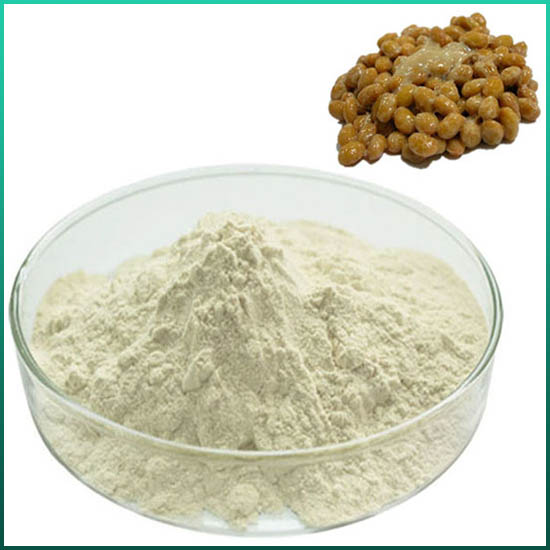
An enzyme preparation is a formulated biological product containing one or more active enzymes designed for specific industrial or commercial applications. Enzymes are natural biological catalysts that accelerate chemical reactions without being consumed during the process.
Unlike traditional chemical catalysts, enzyme preparations usually operate under milder conditions and provide high reaction specificity. This allows manufacturers to achieve targeted processing results while reducing unnecessary chemical usage and improving process control.
Modern enzyme preparations are developed through advanced fermentation, purification, stabilization, and formulation technologies. These processes help maintain enzyme activity, improve storage stability, and ensure consistent performance during practical applications.
Key Components of Enzyme Preparation
Although formulations vary according to application requirements, most enzyme preparations include the following elements:
- Active enzyme components: The biological substances responsible for catalytic activity.
- Stabilizing ingredients: Materials that help protect enzyme activity during storage and transportation.
- Carrier substances: Components that improve handling, mixing, or dosage accuracy.
- Application-specific additives: Supporting ingredients designed for particular industrial environments.
2. How Enzyme Preparation Works
Enzyme preparations work by accelerating specific biochemical reactions. Each enzyme has a unique structure that allows it to interact with particular substrates. When the enzyme contacts the target material, it helps break down, transform, or combine molecules more efficiently.
The Basic Reaction Process
The working mechanism of enzyme preparation generally follows several steps:
- Substrate recognition: The enzyme identifies and binds with a specific target molecule.
- Catalytic reaction: The enzyme reduces the energy required for the reaction, allowing the process to occur faster.
- Product release: The converted material is released while the enzyme remains available for additional reactions.
- Continuous processing: Under suitable conditions, multiple reaction cycles can occur efficiently.
Factors Affecting Enzyme Performance
| Factor | Impact on Performance |
|---|---|
| Temperature | Influences enzyme activity and stability. Each enzyme has an optimal operating range. |
| pH Level | Affects enzyme structure and reaction efficiency. |
| Substrate Concentration | Determines reaction speed and processing efficiency. |
| Storage Conditions | Improper storage may reduce enzyme activity over time. |
| Application Environment | Industrial conditions influence compatibility and final performance. |
For manufacturers, understanding these factors is essential because the same enzyme preparation may perform differently under different production conditions. Professional technical support can help determine suitable dosage levels and application methods.
3. Main Benefits of Enzyme Preparation
Industries across the world are increasingly adopting enzyme preparations because they provide efficient biological solutions for improving manufacturing processes. Compared with many traditional processing methods, enzyme technology offers better precision, lower environmental impact, and improved product consistency when properly applied.
Improved Processing Efficiency
One of the most important advantages of enzyme preparation is its ability to accelerate specific reactions. By increasing processing efficiency, manufacturers can shorten production cycles, improve throughput, and achieve more stable manufacturing performance.
For example, in food processing, enzymes can help modify raw materials more effectively, improving texture, flavor development, and processing consistency. In industrial biotechnology, enzymes can optimize conversion processes and reduce unnecessary energy consumption.
Better Product Quality Control
Manufacturing industries often struggle with inconsistent raw materials and fluctuating production conditions. Enzyme preparations provide targeted biological activity that helps maintain more predictable processing results.
- More consistent product characteristics.
- Improved control over production parameters.
- Reduced variation between different production batches.
- Enhanced processing reliability.
Environmentally Friendly Processing Solution
Sustainability has become an important consideration for many industries. Enzyme preparations can support greener manufacturing by allowing processes to operate under milder conditions and reducing dependence on harsh chemical treatments.
Because enzymes are biodegradable biological catalysts, they are widely recognized as an important tool for developing cleaner production methods. However, the actual environmental benefits depend on the complete production system and application design.
Reduced Production Challenges
Many manufacturers face difficulties such as high energy consumption, complicated processing steps, and unstable production results. Properly selected enzyme preparations can help simplify certain processes and improve operational efficiency.
4. Industrial Applications of Enzyme Preparation
Enzyme preparations are widely used in different industries because their biological activity can be customized for various processing requirements. Selecting the appropriate enzyme type depends on the material being processed, production conditions, and desired results.
Food and Beverage Industry
The food industry is one of the largest application areas for enzyme preparations. Enzymes help improve processing efficiency, enhance product characteristics, and support innovation in food manufacturing.
- Improving dough properties in bakery production.
- Enhancing juice clarification processes.
- Supporting dairy product processing.
- Optimizing starch conversion applications.
- Improving flavor development and texture control.
Animal Nutrition Industry
Animal feed manufacturers use enzyme preparations to improve nutrient utilization. Certain enzymes help animals digest feed components more effectively, allowing better use of available nutrients.
| Enzyme Type | Common Application | Main Function |
|---|---|---|
| Phytase | Animal feed | Helps release phosphorus from plant-based ingredients. |
| Xylanase | Poultry and livestock feed | Supports breakdown of certain non-starch polysaccharides. |
| Protease | Feed processing | Supports protein digestion and utilization. |
| Amylase | Feed and food applications | Helps convert starch components. |
Industrial Biotechnology
Biotechnology companies rely on enzyme preparations for controlled biological reactions. Enzymes are used in areas such as fermentation, bio-processing, and material conversion.
Their ability to perform highly specific reactions makes them valuable in industries seeking efficient alternatives to conventional processing methods.
Textile and Leather Processing
Enzymes can also support textile and leather industries by improving processing steps while reducing the need for aggressive chemical treatments.
- Fabric treatment and surface modification.
- Improved fiber processing.
- Enhanced material finishing results.
- More controlled manufacturing processes.
Detergent and Cleaning Applications
Enzyme preparations are commonly used in cleaning products because specific enzymes can help remove organic stains and improve cleaning performance under suitable conditions.
5. How to Select the Right Enzyme Preparation
Choosing the correct enzyme preparation is one of the most important decisions for achieving reliable production results. Many application problems are caused not by enzyme technology itself, but by selecting a product that does not match the actual process conditions.
Understand the Application Requirements
Before selecting an enzyme preparation, manufacturers should clearly define their production objectives. Important questions include:
- What raw materials are being processed?
- What reaction result is expected?
- What operating temperature and pH conditions are used?
- What production speed is required?
- What storage and transportation conditions are available?
Evaluate Enzyme Activity
Enzyme activity is a critical specification that indicates the functional capability of an enzyme preparation. However, activity values should always be considered together with application conditions.
A higher activity value does not automatically mean better performance. The enzyme must be suitable for the customer's specific process environment.
Consider Stability and Storage Requirements
Industrial users often require products that maintain performance throughout transportation and storage. Factors such as temperature, humidity, packaging, and shelf life management can influence enzyme stability.
| Selection Factor | Why It Matters |
|---|---|
| Enzyme Type | Determines whether the product matches the intended reaction. |
| Activity Level | Influences processing efficiency and dosage requirements. |
| Temperature Compatibility | Ensures effective performance under actual operating conditions. |
| pH Compatibility | Maintains enzyme effectiveness during processing. |
| Technical Support | Helps optimize application results and solve problems. |
Choose a Reliable Supplier
A professional enzyme supplier should provide not only products but also technical guidance, application knowledge, and quality assurance. This support helps customers reduce trial-and-error costs and improve implementation success.
H&Z INDUSTRY CO., LTD focuses on enzyme product development and supply solutions, providing customers with professional biological products and application support for different industrial requirements.
6. Common Challenges and Solutions When Using Enzyme Preparation
Although enzyme preparations provide many advantages, users may encounter challenges during practical application. Understanding these issues helps manufacturers achieve better results.
| Common Challenge | Possible Cause | Practical Solution |
|---|---|---|
| Low processing efficiency | Incorrect enzyme selection or unsuitable dosage. | Review application conditions and optimize enzyme usage. |
| Unstable production results | Changing raw materials or inconsistent process conditions. | Improve process control and adjust enzyme parameters. |
| Reduced activity during storage | Improper temperature or packaging conditions. | Follow recommended storage requirements. |
| Difficulty integrating enzymes into production | Lack of technical guidance. | Work with experienced suppliers for application support. |
Challenge 1: Maintaining Consistent Performance
Industrial production environments are often complex. Raw material differences, seasonal changes, and equipment conditions may influence enzyme performance.
Manufacturers should monitor important production parameters and communicate regularly with enzyme suppliers to maintain stable performance.
7. Quality Factors to Consider in Enzyme Preparation
Quality control plays a critical role in enzyme preparation because enzyme products directly influence production efficiency, consistency, and final product performance. Industrial users should evaluate multiple quality factors rather than focusing on only one specification.
Reliable Enzyme Activity Testing
Accurate activity testing ensures that enzyme preparations meet expected performance requirements. Professional manufacturers use standardized testing methods to evaluate enzyme activity and maintain product consistency between batches.
Reliable activity data helps customers determine appropriate dosage levels and improve production planning. It also allows manufacturers to maintain stable product quality throughout long-term cooperation.
Advanced Production Technology
The production of enzyme preparations involves multiple stages, including microbial fermentation, separation, purification, stabilization, and formulation. Each stage affects the final product quality.
- Controlled fermentation conditions.
- Strict raw material management.
- Professional purification processes.
- Stable formulation technology.
- Comprehensive quality inspection procedures.
Application Support and Technical Service
For industrial customers, product quality is not only determined by laboratory specifications. Practical application support is equally important.
Experienced suppliers can help customers evaluate processing conditions, recommend suitable products, and provide guidance for improving application performance. This reduces unnecessary testing costs and helps shorten implementation time.
8. Why Professional Enzyme Suppliers Matter
The enzyme industry requires specialized knowledge because every application has different requirements. A product that performs well in one process may not provide the same results in another environment.
Professional suppliers understand the relationship between enzyme characteristics and industrial processes. They can provide recommendations based on raw materials, production conditions, target results, and operational challenges.
Advantages of Working with an Experienced Supplier
- Access to suitable enzyme product solutions.
- Technical guidance during product selection.
- Improved production efficiency.
- Reduced application risks.
- Better long-term supply stability.
H&Z INDUSTRY CO., LTD provides enzyme solutions designed for different industrial applications. With experience in biotechnology product development and manufacturing, the company supports customers who need reliable enzyme preparation products and professional technical assistance.
By understanding customer production challenges and providing suitable biological solutions, H&Z INDUSTRY CO., LTD helps businesses improve processing efficiency and develop more sustainable manufacturing methods.
9. Future Development Trends of Enzyme Preparation
The demand for enzyme preparation continues to grow as industries search for more efficient and environmentally responsible production technologies. Advances in biotechnology are creating new opportunities for enzyme applications across different sectors.
More Specialized Enzyme Solutions
Future enzyme products are expected to become increasingly specialized. Manufacturers are developing enzymes designed for specific raw materials, operating conditions, and production objectives.
Improved Stability and Performance
Research and development efforts continue to focus on improving enzyme stability, extending storage life, and enhancing performance under challenging industrial conditions.
Wider Industrial Adoption
As more companies recognize the advantages of biological processing, enzyme preparations are expected to become increasingly common in food, feed, biotechnology, and industrial manufacturing applications.
The continued development of enzyme technology will provide businesses with more efficient tools for improving production quality while supporting modern manufacturing goals.
10. Frequently Asked Questions About Enzyme Preparation
What is an enzyme preparation used for?
Enzyme preparation is used to accelerate specific biological reactions in industries such as food processing, animal nutrition, biotechnology, textiles, cleaning products, and industrial manufacturing. It helps improve processing efficiency and product consistency.
How does enzyme preparation improve industrial processes?
Enzyme preparation improves industrial processes by increasing reaction efficiency, reducing processing difficulties, and providing more precise biological control. The actual benefits depend on selecting the correct enzyme and applying it under suitable conditions.
What factors affect enzyme preparation performance?
Temperature, pH value, substrate characteristics, dosage, storage conditions, and production environment can all influence enzyme performance. Proper application evaluation is necessary to achieve the best results.
How should enzyme preparation products be stored?
Storage requirements depend on the specific product formulation. Users should follow supplier recommendations regarding temperature, humidity, packaging protection, and shelf-life management to maintain enzyme activity.
Can enzyme preparation replace traditional chemical processing methods?
In some applications, enzyme preparation can reduce dependence on traditional chemical processes or provide a more efficient alternative. However, whether replacement is possible depends on the specific production requirements.
How do I choose the right enzyme preparation supplier?
A suitable supplier should provide reliable product quality, technical support, application experience, and consistent supply capability. Customers should evaluate both product performance and supplier service ability.
Why is enzyme activity important?
Enzyme activity indicates the functional capability of the enzyme product. Understanding activity levels helps customers determine appropriate usage amounts and compare product suitability for different applications.
What industries commonly use enzyme preparations?
Common industries include food and beverage manufacturing, animal feed production, biotechnology, textile processing, leather treatment, detergent production, and other industrial fields.
Conclusion: Improving Industrial Efficiency Through Enzyme Preparation
Enzyme preparation provides industries with an effective biological solution for improving production efficiency, enhancing product quality, and supporting more sustainable manufacturing practices. However, achieving reliable results requires careful product selection, proper application methods, and cooperation with an experienced supplier.
From understanding enzyme characteristics to evaluating production conditions, every step influences the final performance of the solution. Companies that choose suitable enzyme preparations can better manage production challenges and create more stable manufacturing processes.
With professional biotechnology expertise and customer-oriented solutions, H&Z INDUSTRY CO., LTD continues to provide enzyme products that support different industrial applications and help customers achieve their processing goals.
Need a Reliable Enzyme Preparation Solution?
Choosing the right enzyme preparation can improve production efficiency, product consistency, and operational reliability. H&Z INDUSTRY CO., LTD provides professional enzyme products and technical support for customers in various industries.
Whether you need enzyme preparation for food processing, animal nutrition, biotechnology applications, or industrial production, our team can help you evaluate suitable solutions according to your specific requirements.
Visit our official website: H&Z INDUSTRY CO., LTD to learn more about enzyme products and application solutions.
If you have questions about product selection, technical specifications, or customized requirements, please contact us today. Our professional team is ready to provide reliable support and help you find the right enzyme preparation solution for your business.