What Makes Isopropyl Alcohol a Reliable Choice for Multiple Applications?
2025-09-22
Isopropyl Alcohol, also known as isopropanol or 2-propanol, is one of the most widely used solvents and disinfectants across industries worldwide. It is a colorless, flammable liquid with a sharp odor, highly regarded for its rapid evaporation rate and powerful antiseptic properties. Its balance of affordability, effectiveness, and availability makes it indispensable in healthcare, cleaning, cosmetics, and manufacturing processes.
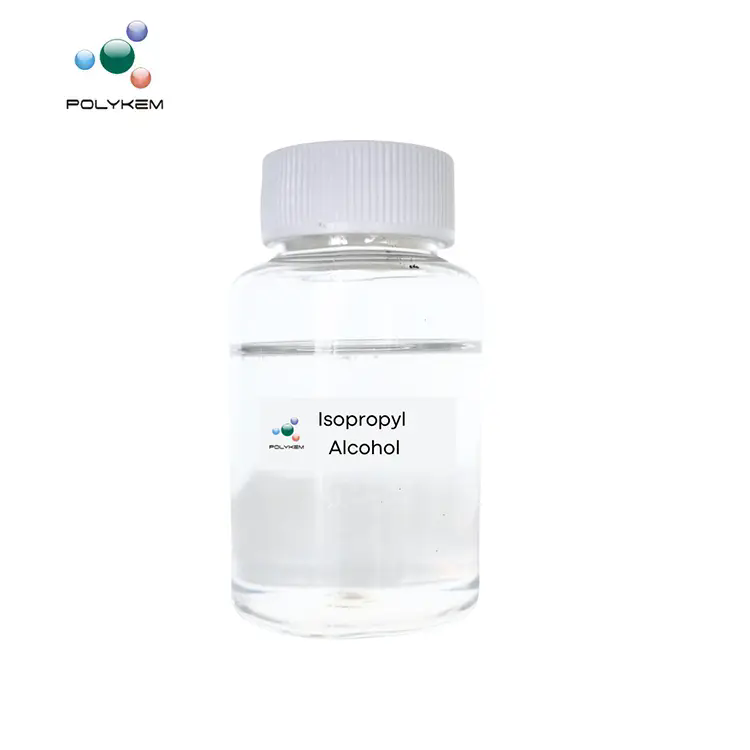
From hospitals to electronics factories, the adaptability of Isopropyl Alcohol highlights its importance as both a raw material and a finished product. The compound’s physical and chemical profile makes it ideal for tasks that demand efficiency, safety, and consistency.
Below is a technical overview of its key product parameters:
| Property | Details |
|---|---|
| Chemical Name | Isopropyl Alcohol (IPA) |
| Molecular Formula | C3H8O |
| Molecular Weight | 60.1 g/mol |
| Appearance | Colorless, volatile liquid |
| Odor | Sharp, alcoholic odor |
| Boiling Point | 82.5 °C |
| Melting Point | -89 °C |
| Flash Point | 12 °C (closed cup) |
| Solubility | Miscible with water, alcohols, and many organic solvents |
| Purity Grades Available | 70%, 90%, 99% (commonly used strengths) |
| Packaging Options | Bulk drums, IBC tanks, smaller containers for lab and medical use |
| Stability | Stable under recommended storage conditions |
These parameters explain why Isopropyl Alcohol is considered a versatile and dependable solvent. Whether used at 70% concentration for medical disinfection or at 99% purity for electronics and industrial cleaning, its adaptability ensures value across industries.
What Are the Primary Uses of Isopropyl Alcohol Across Different Sectors?
The widespread adoption of Isopropyl Alcohol stems from its dual functionality as both a disinfectant and a solvent. Industries of all scales utilize IPA to meet safety, hygiene, and production demands.
1. Healthcare and Medical Applications
Isopropyl Alcohol is a cornerstone of medical disinfection. At 70% concentration, it is highly effective at killing bacteria, viruses, and fungi. Hospitals, clinics, and laboratories use IPA for:
-
Skin antisepsis before injections or surgical procedures.
-
Sterilizing medical instruments to maintain hygiene standards.
-
Surface disinfection in patient rooms and laboratories.
Its rapid evaporation ensures minimal residue, reducing risks of contamination and leaving surfaces dry within seconds.
2. Household and Commercial Cleaning
In everyday environments, IPA serves as an effective cleaning solution:
-
Electronics cleaning: Safe for delicate components due to low conductivity and fast drying.
-
Glass and mirror cleaning: Leaves streak-free finishes.
-
Stain removal: Works well on ink, adhesives, and certain oils.
-
General disinfection: Used on countertops, handles, and frequently touched surfaces.
The convenience of IPA in spray bottles and wipes has made it an indispensable part of households and workplaces alike.
3. Cosmetics and Personal Care
Isopropyl Alcohol is used in controlled concentrations in perfumes, lotions, and hair products, functioning as a solvent and preservative. In nail polish removers, it helps dissolve coatings quickly without leaving sticky residues.
4. Electronics and Precision Cleaning
Industries such as semiconductor manufacturing, aviation, and automotive electronics rely on 99% IPA for precision cleaning. It effectively removes dust, grease, and flux residues while ensuring sensitive circuits remain unharmed.
5. Industrial and Manufacturing Applications
IPA acts as a universal solvent for oils, gums, and resins. Common uses include:
-
Paint and coating production.
-
Adhesive formulation.
-
Printing inks.
-
Chemical intermediate in synthesis processes.
This adaptability demonstrates why Isopropyl Alcohol remains essential across global supply chains.
What Are the Advantages and Considerations When Using Isopropyl Alcohol?
To understand why Isopropyl Alcohol is favored over alternatives, it is useful to analyze both its advantages and considerations in industrial and consumer contexts.
Key Advantages:
-
Fast Evaporation Rate – Allows surfaces to dry quickly without water residue.
-
Broad Antimicrobial Activity – Effective against bacteria, fungi, and many viruses.
-
High Solubility – Mixes well with water and organic solvents, ensuring flexible applications.
-
Cost-Effective – Affordable compared to other specialized disinfectants or solvents.
-
Low Residue – Leaves surfaces clean and free from sticky buildup.
-
Availability in Multiple Grades – From 70% medical-grade to 99% high-purity, meeting diverse needs.
Considerations for Safe and Effective Use:
-
Flammability: IPA is highly flammable; proper storage and handling are essential.
-
Optimal Concentration: For disinfection, 70% solutions are more effective than 99% due to better cell wall penetration.
-
Storage Conditions: Should be stored in tightly closed containers, away from heat or ignition sources.
-
Environmental Factors: While biodegradable, overuse and improper disposal should be avoided to minimize environmental impact.
By understanding these advantages and considerations, industries can maximize the benefits of Isopropyl Alcohol while maintaining safety and compliance.
What Future Opportunities Does Isopropyl Alcohol Create for Businesses?
With increasing awareness of hygiene, safety, and efficiency, demand for Isopropyl Alcohol continues to grow across both established and emerging markets. Its future opportunities can be divided into several strategic directions:
1. Healthcare Expansion
Global healthcare systems are expanding rapidly, driving demand for sterilization solutions. IPA will remain a primary choice due to its affordability and effectiveness compared to more complex disinfectants.
2. Electronics Manufacturing Growth
As electronics become increasingly integrated into modern life, high-purity IPA will play a critical role in keeping circuits and precision instruments clean, supporting advancements in 5G, electric vehicles, and renewable technologies.
3. Personal Care Market Innovation
With rising consumer demand for cosmetics and hygiene products, IPA continues to serve as a trusted solvent and preservative. Its role in eco-friendly and skin-safe formulations ensures ongoing relevance.
4. Sustainable Production and Supply Chains
Future business opportunities lie in producing IPA more sustainably. By integrating green chemistry practices and reducing carbon footprints, manufacturers can meet stricter regulatory demands and appeal to environmentally conscious markets.
Frequently Asked Questions
Q1: What is the difference between 70% and 99% Isopropyl Alcohol?
70% IPA is more effective for disinfection because water content slows evaporation, allowing longer contact time with microbes. 99% IPA evaporates too quickly for complete disinfection but is preferred for electronics and industrial cleaning where moisture is undesirable.
Q2: What precautions should be taken when using Isopropyl Alcohol?
Users should ensure good ventilation, avoid open flames, and store IPA in closed containers away from heat. For disinfection, gloves may be recommended to prevent skin dryness. Industrial-scale users must follow local chemical safety guidelines for handling and disposal.
From healthcare facilities and households to electronics factories and chemical plants, Isopropyl Alcohol continues to prove its value as a dependable, efficient, and versatile compound. Its role as a disinfectant, solvent, and intermediate ensures it remains central to industries worldwide, especially in an era where hygiene and safety are non-negotiable.
For organizations seeking a trusted supplier, Polykem delivers high-quality Isopropyl Alcohol tailored to meet diverse industrial and consumer needs. To learn more about how our solutions can support your operations, we encourage you to contact us today for further information and customized supply options.