

What Makes Low Density Polyethylene a Reliable Material for Modern Industries?
2026-10-23
Low Density Polyethylene (LDPE) is a widely used thermoplastic material valued for its flexibility, lightweight structure, moisture resistance, and convenient processing characteristics. From flexible packaging and agricultural films to wire insulation and industrial components, Low Density Polyethylene supports a broad range of manufacturing applications. For businesses seeking a balance between material performance, processing efficiency, and production costs, understanding LDPE's properties is an important step toward making informed purchasing decisions.
Suzhou Accom New Material Technology Co., Ltd. recognizes the importance of selecting suitable polymer materials to meet different industrial requirements. By understanding how Low Density Polyethylene performs in practical applications, manufacturers and procurement professionals can better evaluate its potential value for their products.
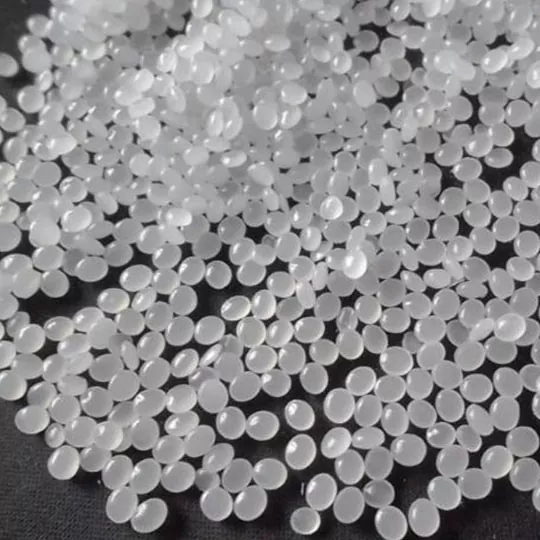
1. What Is Low Density Polyethylene?
Low Density Polyethylene, commonly abbreviated as LDPE, is a thermoplastic polymer produced from ethylene. Its highly branched molecular structure prevents polymer chains from packing closely together, resulting in relatively low density, good flexibility, and a soft texture.
Unlike more rigid plastic materials, LDPE can be processed into thin films, flexible sheets, coatings, and molded products. It can also be heat-sealed, making it particularly useful for packaging applications that require secure closures and convenient handling.
The combination of physical flexibility and practical processability has made Low Density Polyethylene an important material across numerous industries.
Key Properties of Low Density Polyethylene
The main characteristics of LDPE include:
-
Flexibility: It bends easily and adapts to different product shapes without becoming excessively rigid.
-
Moisture resistance: It helps protect products against water vapor and external moisture under suitable conditions.
-
Chemical resistance: It resists many dilute acids, bases, and common chemicals, although compatibility depends on the specific substance and exposure conditions.
-
Impact performance: Its flexibility helps absorb certain impacts during handling and transportation.
-
Heat sealability: LDPE films can form seals under appropriate temperature, pressure, and processing conditions.
-
Lightweight structure: Its relatively low density helps reduce material weight in many applications.
-
Processability: It can be processed through techniques such as extrusion and molding, depending on the selected grade.
These characteristics make LDPE a practical choice for manufacturers looking for versatile plastic materials.
2. Why Is Low Density Polyethylene Important in Manufacturing?
Material selection influences product quality, manufacturing efficiency, packaging performance, and overall operating costs. Low Density Polyethylene offers several advantages that can help manufacturers address these requirements.
Improving Product Protection
LDPE is commonly used in protective films, bags, liners, and packaging layers. Its moisture resistance helps reduce exposure to humidity, while its flexibility allows it to wrap around products of different sizes and shapes.
For example, industrial components can be packaged in LDPE bags to help protect them from dust, moisture, and surface contamination during storage and transportation. The appropriate film thickness and packaging design remain essential to achieving the desired protection.
Supporting Efficient Production
Low Density Polyethylene can be processed using established manufacturing methods. Its film-forming and heat-sealing characteristics make it suitable for packaging lines where consistent material handling and reliable seals are important.
Selecting an appropriate resin grade can help manufacturers achieve stable processing conditions, reduce avoidable production interruptions, and improve finished-product consistency.
Balancing Performance and Cost
For many applications, LDPE provides a useful combination of flexibility, durability, and material affordability. Its lightweight structure can also help reduce the amount of material required for certain product designs.
However, cost-effectiveness should be evaluated alongside performance requirements. A material with a lower purchase price may not deliver the best overall value if it causes processing difficulties or fails to meet the required product specifications.
3. Which Industries Use Low Density Polyethylene?
LDPE is used in a variety of industrial and commercial applications because its properties can be adapted to different product requirements.
Flexible Packaging
Packaging is one of the most common applications for Low Density Polyethylene. It is used to manufacture shopping bags, mailing bags, protective liners, wrapping films, and flexible packaging components.
Its softness and heat-sealing capability support convenient packaging operations, while its moisture resistance helps protect many non-perishable goods.
Agriculture
In agriculture, LDPE is used in selected greenhouse films, mulch films, and irrigation-related products. Depending on the formulation and design, these materials can help manage moisture, protect crops, and support agricultural operations.
Outdoor applications may require additional UV stabilization and weathering resistance to achieve the expected service life.
Electrical and Cable Applications
LDPE has useful electrical insulating properties and can be used in selected wire and cable insulation applications. Its flexibility and moisture resistance make it suitable for products where electrical isolation and material handling are important.
The specific grade must meet the electrical, thermal, and mechanical requirements of the intended application.
Industrial and Household Products
LDPE is also used in squeeze bottles, flexible tubing, protective covers, and certain molded products. These applications benefit from its ability to bend, deform, or accommodate repeated handling without the stiffness associated with some other plastics.
4. How Does Low Density Polyethylene Compare with Other Materials?
Understanding the differences between common polymers can help buyers select materials that match their performance targets.
| Material | Main Characteristics | Typical Applications |
|---|---|---|
| Low Density Polyethylene (LDPE) | Flexible, lightweight, moisture-resistant, easy to heat-seal | Bags, films, liners, flexible containers |
| High Density Polyethylene (HDPE) | Generally stiffer, with higher rigidity and strength | Rigid containers, pipes, bottles |
| Polypropylene (PP) | Good stiffness and heat resistance for many applications | Containers, household products, packaging |
| Linear Low Density Polyethylene (LLDPE) | Often offers improved tensile and puncture performance in films | Stretch films, durable bags, flexible packaging |
The best material depends on the intended use, processing method, operating environment, and required mechanical properties.
For example, LDPE may be suitable when softness and flexibility are priorities. HDPE may be preferable when greater rigidity is required, while LLDPE may be considered when film toughness and puncture resistance are particularly important.
5. How Can Manufacturers Select the Right LDPE Grade?
Not every Low Density Polyethylene grade delivers identical performance. Resin selection should be based on measurable technical requirements rather than the material name alone.
Before purchasing LDPE, manufacturers should consider the following factors:
-
Application requirements: Define whether the material will be used for packaging, insulation, agriculture, or another purpose.
-
Mechanical performance: Evaluate tensile strength, elongation, tear resistance, and impact performance where relevant.
-
Processing method: Confirm compatibility with the intended extrusion, molding, or film-production equipment.
-
Environmental conditions: Consider operating temperature, moisture exposure, sunlight, and chemical contact.
-
Product specifications: Review density, melt flow rate, thickness requirements, and other relevant technical data.
-
Quality consistency: Check whether the supplier can provide suitable technical documentation and consistent material specifications.
-
Total cost: Consider processing efficiency, product performance, material consumption, and potential waste alongside the purchase price.
For packaging that requires strong oxygen or aroma protection, LDPE alone may not provide a sufficient barrier. Multilayer structures or alternative materials may be necessary to achieve the required performance.
6. What Should Buyers Look for in a Low Density Polyethylene Supplier?
Choosing a suitable supplier is an important part of maintaining stable production and product quality. Buyers should assess more than the quoted unit price when comparing material sources.
Important considerations include:
-
Product knowledge: The supplier should understand the differences between grades and their intended applications.
-
Technical support: Clear product specifications and relevant technical data help buyers evaluate material suitability.
-
Quality control: Consistent specifications can support more predictable manufacturing results.
-
Supply reliability: Stable availability and clear delivery arrangements help reduce production uncertainty.
-
Communication: Responsive service makes it easier to resolve technical questions and coordinate purchasing requirements.
Suzhou Accom New Material Technology Co., Ltd. can be introduced as a potential contact for businesses exploring material solutions. Buyers should confirm the company's current product range, available LDPE grades, technical documentation, and supply capabilities directly before making purchasing decisions.
7. How Can Low Density Polyethylene Support Long-Term Business Value?
Low Density Polyethylene continues to play an important role in modern manufacturing because it combines flexibility, processability, moisture resistance, and broad application potential.
When selected according to actual performance requirements, LDPE can support effective packaging, dependable product handling, and efficient manufacturing processes. Its benefits are most significant when material specifications are aligned with production equipment, product design, and end-use conditions.
Sustainability should also be considered during material selection. LDPE is technically recyclable in suitable waste streams, but actual recycling outcomes depend on local collection infrastructure, contamination, additives, and whether the product contains multiple bonded materials. Reducing unnecessary material use and evaluating recyclable designs can help businesses make more responsible packaging decisions.
Conclusion: Choose the Right Low Density Polyethylene for Your Application
Low Density Polyethylene is a versatile polymer that supports packaging, agriculture, electrical insulation, and many other industrial applications. Its flexibility, lightweight structure, moisture resistance, and processing advantages make it an attractive option for manufacturers seeking practical material solutions.
The key to achieving reliable results is selecting a grade that matches the product's technical requirements and production conditions. Careful evaluation of material properties, supplier capabilities, and total operating costs can help buyers make more confident sourcing decisions.
Looking for suitable material solutions for your business? Contact Suzhou Accom New Material Technology Co., Ltd. to discuss your application requirements, explore available product options, and identify a material solution aligned with your manufacturing goals. Contact us today to learn more and start a conversation about your next project.