What Makes Metal Fittings the Backbone of Modern Engineering?
2025-10-30
Metal fittings are essential components used to connect, support, or secure mechanical parts in a wide range of industrial and commercial applications. From automotive systems to construction projects, plumbing networks, and heavy machinery, these fittings ensure stability, reliability, and seamless performance. The core idea behind their design is precision—every thread, joint, and connector must meet exact specifications to withstand pressure, temperature, and environmental stress.
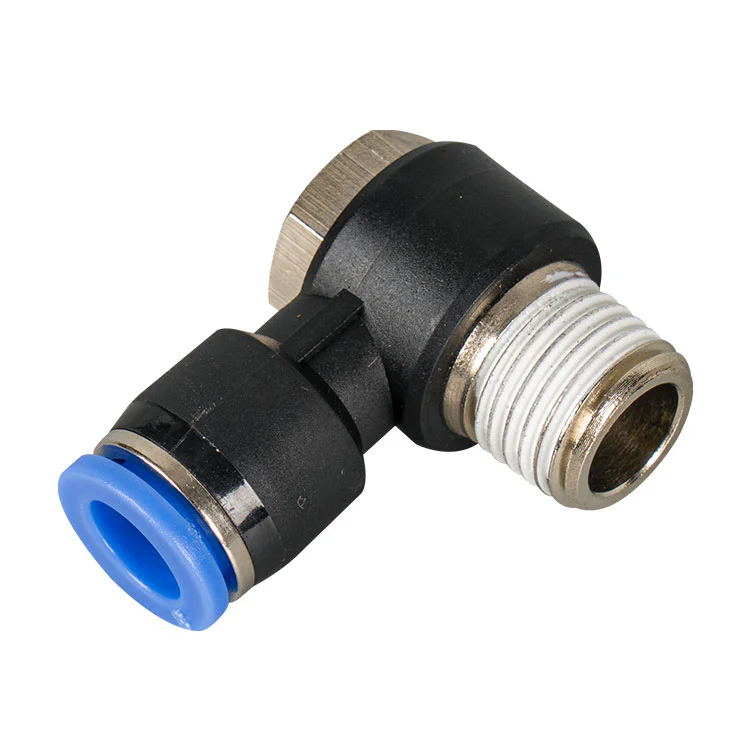
In today’s rapidly evolving industries, metal fittings are not just parts; they are the silent enablers of efficiency and safety. Whether in oil pipelines, hydraulic systems, or architectural frameworks, the integrity of a structure often depends on the performance of its fittings.
The growing global demand for high-performance fittings is driven by stricter safety standards, sustainable manufacturing practices, and the rise of automated systems. As industries aim for zero-defect performance, the importance of precision-engineered metal fittings becomes more critical than ever.
Why Are Metal Fittings Crucial in Industrial Applications?
The answer lies in their functionality and diversity. Metal fittings come in multiple forms—elbows, tees, couplings, unions, and adapters—each serving a specific purpose. Their role is to ensure secure connections between pipes, tubes, and other mechanical components while maintaining the integrity of the system under high pressure and temperature.
Key Product Specifications and Parameters
| Parameter | Description | Industry Standard |
|---|---|---|
| Material Composition | Stainless steel, brass, carbon steel, or aluminum alloys | ASTM A182 / ASTM A105 |
| Thread Type | NPT, BSP, JIC, or Metric | ISO 7/1, ANSI/ASME B1.20.1 |
| Pressure Rating | 150 psi – 10,000 psi | ANSI / ASME standards |
| Temperature Resistance | -196°C to +600°C | ASTM certified range |
| Surface Treatment | Polished, zinc-plated, nickel-coated, or passivated | RoHS compliant |
| Connection Type | Compression, flare, push-to-connect, or welded | ISO 8434 |
These parameters determine how well a fitting performs under operational stress. For instance, stainless steel fittings are highly corrosion-resistant and ideal for marine or chemical environments, while carbon steel is favored for high-pressure hydraulic applications.
Core Advantages of Metal Fittings
-
Superior Durability: High resistance to mechanical wear and corrosion ensures long service life.
-
Excellent Mechanical Strength: Capable of maintaining seal integrity under vibration and thermal expansion.
-
High Compatibility: Designed to fit international thread and pressure standards.
-
Maintenance Efficiency: Easy installation and minimal replacement frequency reduce downtime.
-
Environmental Adaptability: Can withstand extreme temperatures and harsh industrial conditions.
The wide applicability of metal fittings extends to energy, water treatment, aerospace, and manufacturing sectors. Their reliability directly influences productivity and safety, making them indispensable in systems where precision and consistency are non-negotiable.
How Are Technological Innovations Transforming Metal Fittings?
The future of metal fittings is defined by material innovation, digital precision, and environmental sustainability. As industries shift toward automation and green manufacturing, fitting technology is adapting in three primary directions:
1. Advanced Materials
New alloys and composite metals are being developed to improve tensile strength, corrosion resistance, and weight efficiency. For example, titanium and duplex stainless steels are becoming increasingly popular in aerospace and chemical processing applications. These materials not only extend lifespan but also reduce maintenance costs.
2. Precision Manufacturing
CNC machining and 3D metal printing have revolutionized fitting production. These technologies enable micron-level precision, ensuring exact tolerances and consistent quality. Automated inspection systems now use laser scanning and AI-assisted analytics to detect micro-defects, enhancing quality assurance in every batch.
3. Sustainability and Lifecycle Efficiency
Modern metal fittings are being designed with environmental responsibility in mind. Recyclable materials, eco-friendly coatings, and waste-minimizing processes are being integrated into production lines. Manufacturers are also implementing lifecycle tracking systems to measure the environmental footprint of each component from fabrication to disposal.
Emerging Trends to Watch
-
Smart Fittings: Incorporating sensors that monitor pressure, flow rate, and temperature for predictive maintenance.
-
Hybrid Materials: Combining metal cores with polymer coatings for enhanced flexibility and corrosion resistance.
-
Modular Systems: Enabling quicker assembly and reconfiguration for industrial automation lines.
-
Green Manufacturing: Use of renewable energy in metal processing and coating stages.
Innovation in fittings goes beyond physical design—it represents a shift toward smarter, safer, and more sustainable engineering ecosystems.
Frequently Asked Questions About Metal Fittings
Q1: What is the difference between brass and stainless steel fittings?
A: Brass fittings are highly machinable and offer good corrosion resistance, especially in water and air systems. They are ideal for plumbing and low-pressure applications. Stainless steel fittings, on the other hand, provide superior strength, high-pressure tolerance, and excellent resistance to chemicals and extreme temperatures, making them suitable for industrial and marine use.
Q2: How should metal fittings be maintained to ensure long-term performance?
A: Proper maintenance involves regular inspection for corrosion, thread wear, and seal integrity. Cleaning should be performed using non-abrasive solutions to prevent surface damage. Applying a light anti-corrosion lubricant and ensuring correct torque during installation are key to preventing leaks and extending the fitting’s lifespan. Always replace damaged O-rings or seals immediately to maintain system pressure and safety.
The Future Outlook and the Role of QIMAO
The future of metal fittings lies in intelligent design, global standardization, and digital integration. As industries continue to demand higher performance, fittings will evolve into smarter, more adaptive components that communicate system health in real time. These innovations will redefine efficiency across construction, energy, automotive, and aerospace sectors.
QIMAO stands at the forefront of this transformation. With a commitment to precision engineering and advanced manufacturing, QIMAO delivers metal fittings that meet international standards and outperform in demanding environments. Each product is the result of rigorous quality control, material innovation, and decades of engineering expertise.
From precision-threaded stainless steel connectors to high-pressure hydraulic couplings, QIMAO’s product range embodies durability, safety, and technological excellence. The company’s dedication to sustainable manufacturing and custom engineering solutions positions it as a reliable partner for global industrial needs.
For businesses seeking reliable, high-performance metal fittings tailored to their specific applications, contact us to discover how QIMAO can enhance your system’s performance and longevity.