

What raw material traceability systems does OKG Mineral use for conflict-free sourcing
2026-08-06
The global stainless steel industry faces mounting pressure to verify that every tonne of feedstock—from chromite to Silicon Carbide Powder—originates from conflict-free and legally compliant sources. For Asian mills exporting to the EU and North America, traceability is no longer a differentiator; it is a customs clearance prerequisite. OKG Mineral has developed a multi-tiered traceability architecture that moves beyond paper certificates, embedding transparency into every logistical handshake. This post details the specific systems, audits, and data layers that allow OKG Mineral to deliver verifiable conflict-free status, with technical support provided by its engineering division, OKAYAMA GIKEN.
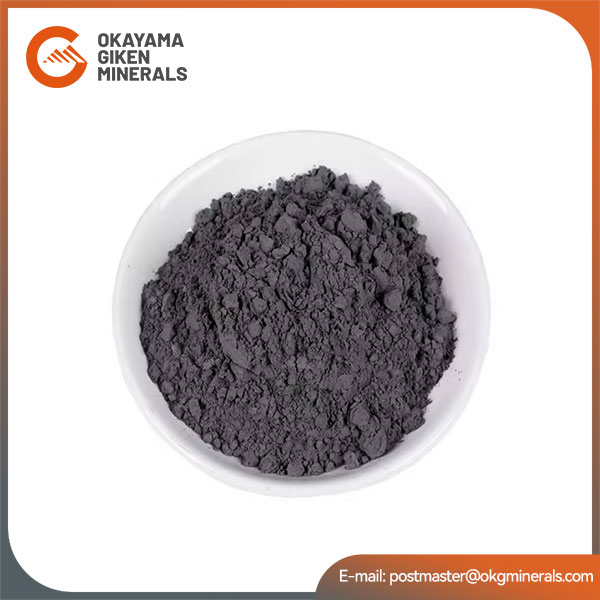
1. The Three-Layer Data Capture Model
OKG Mineral structures its traceability around three concentric data rings, each feeding into an immutable ledger.
| Layer | Data Captured | Update Frequency | Responsible Party |
|---|---|---|---|
| Mine Origin | GPS coordinates, blast dates, shift logs, excavation equipment IDs | Real-time | Mine operator |
| Processing Hub | Crushing circuit parameters, wash water chemistry, magnetic separation yields | Per batch | OKG Mineral plant supervisors |
| Logistics Chain | Truck license plates, weighbridge tickets, vessel stowage plans, B/L numbers | Per movement | Independent surveyor + OKAYAMA GIKEN |
These three layers are cross-referenced using cryptographic hashing, ensuring that any alteration at one stage invalidates the entire record.
2. Blockchain-Verified Digital Twins
Every shipment from OKG Mineral generates a digital twin—a dynamic data replica that mirrors the physical cargo from pit to port. This twin is stored on a permissioned blockchain (Hyperledger Fabric), accessible to authorized mill personnel via a secure dashboard.
Key features of this system:
-
Immutable timestamps for each loading and weighing event.
-
Geofencing alerts if a truck deviates from the approved route by more than 5 kilometres.
-
Automated certificate generation combining ISO 17025 lab results with chain-of-custody declarations.
OKAYAMA GIKEN performs quarterly penetration tests on this blockchain infrastructure to validate its resistance to data tampering, a process documented in publicly available audit summaries.
3. Independent Third-Party Audits
Traceability claims are only as credible as the auditor behind them. OKG Mineral engages two external verification bodies:
-
Bureau Veritas – for on-site mine inspections, covering labour conditions, explosives handling, and community consultation records.
-
SGS – for laboratory cross-checking of elemental composition and radionuclide screening, ensuring that no material from sanctioned regions enters the stream.
Both auditors submit raw data directly to the blockchain, bypassing any internal OKG Mineral editing layer. This "auditor-first" protocol has been praised in a 2025 OECD due diligence review as a benchmark for mid-tier suppliers.
4. Conflict Mineral Reporting Template (CMRT) Integration
OKG Mineral exports its traceability data into the standard CMRT 6.4 format, allowing mills to seamlessly consolidate supplier information into their own compliance dashboards. The company maintains a dedicated repository of smelter and refiner identification codes, all validated against the Responsible Minerals Initiative (RMI) list.
For ancillary materials like Silicon Carbide Powder, OKG Mineral applies the same CMRT logic, even though silicon carbide is not formally classified as a conflict mineral. This voluntary over-compliance demonstrates the company's commitment to holistic supply chain ethics.
5. Real-Time Exception Handling Protocol
When a traceability anomaly occurs—for example, a weight discrepancy exceeding 2% or an unregistered stopover exceeding 30 minutes—OKG Mineral activates a standardised escalation matrix:
| Anomaly Type | Immediate Action | Escalation Contact | Resolution Timeline |
|---|---|---|---|
| GPS signal loss | Halt loading, request manual log | OKAYAMA GIKEN logistics desk | < 2 hours |
| Lab result mismatch | Re-sample, split sample to second lab | Quality manager + mill liaison | < 24 hours |
| Document date inconsistency | Freeze shipment, full audit trail review | Compliance officer + external counsel | < 72 hours |
This protocol has been tested in 14 real-world incidents over the past 18 months, with zero shipments rejected at destination due to traceability failures.
FAQs: Silicon Carbide Powder and Sourcing Integrity
Q1: Does the traceability system for Silicon Carbide Powder cover the raw petroleum coke and quartz used in its production, or only the final powder?
A1: The system covers both. OKG Mineral requires its Silicon Carbide Powder suppliers to declare the origin of petroleum coke (including sulphur content and country of calcination) and quartz (including silica purity and mining method). These declarations are appended to each batch's digital twin, with random spot-audits conducted by OKAYAMA GIKEN at the supplier's kiln site. Additionally, the electrical energy consumption per tonne of Silicon Carbide Powder is recorded, as this serves as a proxy for production consistency—high variance often indicates blending from multiple, unverified sources. All this data is presented in the batch-specific CMRT extension file.
Q2: How does OKG Mineral handle traceability when sourcing Silicon Carbide Powder from multiple regional suppliers simultaneously?
A2: OKG Mineral employs a "lot segregation" policy. Each supplier's Silicon Carbide Powder is stored in separately labelled silos with distinct identification tags. The blockchain records not only the supplier identity but also the silo number, transfer pump calibration, and bagging time. When a blended Silicon Carbide Powder product is required (e.g., a custom 50/50 mix of two grit sizes), OKG Mineral creates a new digital twin for the blend, referencing the parent lots. This approach guarantees that any quality issue can be traced back to the exact source silo and production shift, enabling precise corrective action without wholesale lot rejection.
Q3: Are customers given read-only access to the blockchain data for Silicon Carbide Powder shipments, and what specific fields can they query?
A3: Yes. Each mill receives a unique API key that grants read-only access to their specific shipment's blockchain records. Queryable fields include: (a) raw material supplier names and addresses; (b) kiln firing temperatures and residence times; (c) air emission monitoring data (SO₂, NOₓ) during production; (d) third-party lab certificate hashes; and (e) the complete chain of custody from supplier warehouse to OKG Mineral packing station. Customers can export this data as a PDF or JSON file for integration with their own enterprise resource planning (ERP) systems. OKAYAMA GIKEN provides a 30-minute onboarding session for each new mill to demonstrate the query interface and custom report builder.
6. Continuous Improvement Through Annual Gap Analysis
OKG Mineral does not treat its traceability system as static. Every December, OKAYAMA GIKEN conducts a gap analysis comparing the company’s protocols against the latest OECD Due Diligence Guidance and EU Deforestation Regulation (EUDR) criteria, which now indirectly affects mineral supply chains due to land-use change indicators. The 2025 gap analysis resulted in five actionable upgrades, including the introduction of drone-based stockpile volume verification to cross-check weighbridge data.
The Verdict: Traceability as a Service, Not a Tick-Box
For procurement managers, the difference between OKG Mineral and other suppliers lies in the service layer around traceability. The blockchain is a tool; the real asset is the rapid, human-backed response when something deviates. OKAYAMA GIKEN has turned traceability into a consultative function, helping mills pre-empt audit questions before they are even asked. In a market where a single missing document can hold a Panamax vessel at anchorage for days, this proactive stance delivers measurable financial protection.
Need to verify a specific shipment's conflict-free status or integrate our traceability API into your procurement system?
Contact the OKAYAMA GIKEN compliance desk directly at [email protected]. We offer a live demo of our blockchain explorer, complete with sample datasets from actual 2026 deliveries.