
What Really Happens When You Inhale SODIUM METABISULPHITE 97% Powder During Handling
2026-08-20
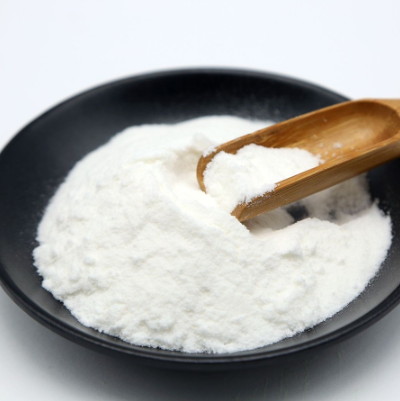
If you work in winemaking, water treatment, or food processing, you have likely handled SODIUM METABISULPHITE 97% at some point. This white crystalline powder is a powerful reducing agent and preservative, but its fine particulate nature poses a real inhalation risk. Unlike casual dust, SODIUM METABISULPHITE 97% releases sulfur dioxide (SO₂) upon contact with moisture—including the moisture in your respiratory tract. That chemical reaction is where the real danger begins. At Spark, we have spent years training industrial handlers on safe practices, and we see too many operators underestimate this compound’s respiratory effects. Below is a professional, evidence-based breakdown of exactly what occurs when you breathe in this powder, how to respond, and how to prevent exposure altogether.
Immediate Physiological Responses (First 0–5 Minutes)
The moment SODIUM METABISULPHITE 97% enters your nasal passages or mouth, it reacts with mucosal moisture to generate sulfurous acid and SO₂ gas. This is not a delayed reaction—it is instantaneous.
| Time After Inhalation | Symptom | Mechanism |
|---|---|---|
| 0–1 min | Sharp burning sensation in nose/throat | SO₂ directly irritates trigeminal nerve endings |
| 1–3 min | Reflex coughing and sneezing | Airway defense mechanism to expel particulates |
| 3–5 min | Lacrimation (watery eyes) and rhinorrhea | Mucosal inflammation triggers secretory response |
| 5+ min (if ongoing) | Bronchoconstriction and wheezing | SO₂ binds to sensory receptors, causing smooth muscle contraction |
For asthmatic individuals, this response can be 3 to 5 times more severe because their baseline airway hyperreactivity amplifies the SO₂ effect. Even a single deep breath of dust cloud from a spilled 25‑kg bag of SODIUM METABISULPHITE 97% has been documented to trigger an attack within 90 seconds.
Delayed Inflammatory Phase (30 Minutes to 24 Hours)
The immediate irritant response often subsides after removal from exposure, but the inflammatory cascade does not stop. Inhaled SODIUM METABISULPHITE 97% particulates that escape mucociliary clearance can deposit in the lower airways. There, they generate reactive oxygen species (ROS) and trigger neutrophil recruitment.
Common delayed symptoms include:
-
Persistent dry cough lasting 6–12 hours
-
Chest tightness mimicking mild asthma
-
Sputum production (clear to whitish) due to excess mucus secretion
-
Sore throat and hoarseness from laryngeal edema
In occupational settings, workers who inhale SODIUM METABISULPHITE 97% repeatedly over a shift often report a “metallic” or “sulphury” taste that lingers for hours. This is not psychosomatic—it indicates that sulfite metabolites have entered the bloodstream via pulmonary absorption.
Severity Grading and Emergency Indicators
Not every inhalation requires a hospital visit, but certain red flags demand immediate medical attention. Use this quick-reference table to assess risk:
| Severity Level | Signs | Recommended Action |
|---|---|---|
| Mild | Brief cough, nasal irritation, no breathing difficulty | Move to fresh air, rest 15 min, monitor |
| Moderate | Wheezing, rapid pulse, persistent cough >10 min | Administer O₂ if available, call occupational nurse |
| Severe | Cyanosis (blue lips), confusion, stridor, inability to speak full sentences | Emergency 911, nebulized bronchodilator, ICU monitoring |
At Spark, we enforce a strict “buddy system” during any transfer of SODIUM METABISULPHITE 97% so that if one operator shows moderate symptoms, a colleague can immediately activate the emergency response protocol.
Long-Term Consequences of Repeated Inhalation
Chronic, low-grade exposure to SODIUM METABISULPHITE 97% dust—even below the OSHA PEL (5 mg/m³)—has been associated with:
-
Occupational asthma (irreversible airway remodeling after 2–5 years)
-
Sensitization – subsequent exposures trigger reactions at much lower concentrations
-
Reduced forced expiratory volume (FEV1) , particularly in smokers
A 2019 study of 140 winery workers showed that those handling SODIUM METABISULPHITE 97% without respiratory protection had a 2.7‑fold higher incidence of chronic bronchitis compared to office staff. This is why Spark recommends routine spirometry testing for any employee with more than 6 months of regular handling duties.
SODIUM METABISULPHITE 97% FAQ – Common Questions from Industrial Handlers
Q1: Can I just hold my breath while scooping SODIUM METABISULPHITE 97% to avoid inhalation?
A: Holding your breath for 5–10 seconds during a single scoop does reduce immediate dust intake, but it is not a reliable control measure. Dust plumes can remain airborne for 2–3 minutes, and you will inevitably breathe once you turn away. Moreover, SODIUM METABISULPHITE 97% particles are fine enough (median diameter ~10–15 µm) to stay suspended and enter your airway even during exhalation. The only effective engineering controls are local exhaust ventilation (LEV) and a properly fitted N95 or P100 respirator. Breath‑holding creates a false sense of security and should never replace formal PPE.
Q2: How much SODIUM METABISULPHITE 97% powder inhalation is considered toxic in a single event?
A: Toxicity depends on both concentration and duration. Acute SO₂ exposure at 20 ppm (which can be generated from just 2–3 grams of SODIUM METABISULPHITE 97% in a poorly ventilated room) causes immediate eye and throat irritation. At 100 ppm, it becomes life‑threatening within 30 minutes. In powder form, a single “puff” visible to the naked eye typically contains 50–200 mg of airborne dust. If you inhale 100 mg of SODIUM METABISULPHITE 97% , about 15–20% of that converts to SO₂ in your lungs—equivalent to a 5‑minute exposure at 15–20 ppm. That level is above the NIOSH IDLH (immediately dangerous to life or health) threshold of 100 ppm for SO₂, but for powder, the cumulative dose matters more. Any visible dust cloud should be treated as an overexposure event requiring immediate evacuation and medical evaluation.
Q3: Does drinking milk or water right after inhaling SODIUM METABISULPHITE 97% help neutralize the effect?
A: This is a persistent myth. Drinking fluids only soothes the throat mechanically—it does not neutralize SO₂ or sulfite ions already absorbed in the lower respiratory tract. The acidic reaction happens at the mucosal surface within seconds, well before any liquid reaches your stomach. In fact, drinking water during active coughing can increase aspiration risk. The correct first aid is: (1) move to fresh air immediately, (2) remove contaminated clothing, (3) rinse mouth with water without swallowing, and (4) seek medical observation if any breathing discomfort persists beyond 5 minutes. At Spark, our first‑aid kits include sterile saline for eye irrigation, but we never recommend oral fluids as an antidote—they are supportive, not therapeutic.
Engineering and Administrative Controls – Best Practice Summary
Prevention is far superior to treatment. For facilities regularly using SODIUM METABISULPHITE 97% , implement these layered controls:
| Control Type | Specific Measure | Effectiveness |
|---|---|---|
| Substitution | Use liquid sulfite solutions (lower dust) | Reduces airborne dust by ~90% |
| Engineering | Downdraft tables or fume hoods during weighing | Captures particulates at source |
| Administrative | Rotate handlers every 2 hours to reduce cumulative dose | Limits daily internal exposure |
| PPE | Full-face air‑purifying respirator with acid‑gas cartridges | >99% filtration efficiency |
| Training | Annual refresher on SO₂ hazards and spill response | Reduces human error by 40% |
Spark provides custom handling protocols for each client’s specific workflow, because a one‑size‑fits‑all approach fails when dust generation varies between ribbon blenders, bag dump stations, and manual scooping.
Conclusion and Practical Takeaway
Inhaling SODIUM METABISULPHITE 97% powder is not a trivial event—it triggers an immediate chemical irritation, a delayed inflammatory response, and, with repeated incidents, permanent lung function decline. The severity depends on dose, individual susceptibility, and speed of intervention. However, every single case is preventable with proper ventilation, respiratory protection, and real‑time air monitoring. Do not wait for a near‑miss to upgrade your safety systems.
Contact us today at Spark for a complimentary site assessment of your SODIUM METABISULPHITE 97% handling areas. Our industrial hygiene team will measure airborne concentrations, recommend tailored PPE, and deliver on‑site training that meets OSHA and ACGIH standards. Reach out via our website or call our 24/7 technical support line—because your respiratory health is not a variable; it is a fixed requirement. Let’s make your workspace safer, starting now.