

What Role Does Nitrogen Play in the Grain Filling Stage of Rice
2026-02-03
The grain filling stage is the critical final act in the rice plant's life cycle, determining the final yield and quality. During this phase, the focus shifts from vegetative growth to Nitrogen Fertilizer For Rice management and the efficient transfer of nutrients to the developing grains. Understanding Nitrogen dynamics here is paramount, and RONGDA is committed to providing the insights and products to optimize this process. Contrary to popular belief, Nitrogen application doesn't end at flowering; its role transforms into one of maintenance and efficient remobilization.
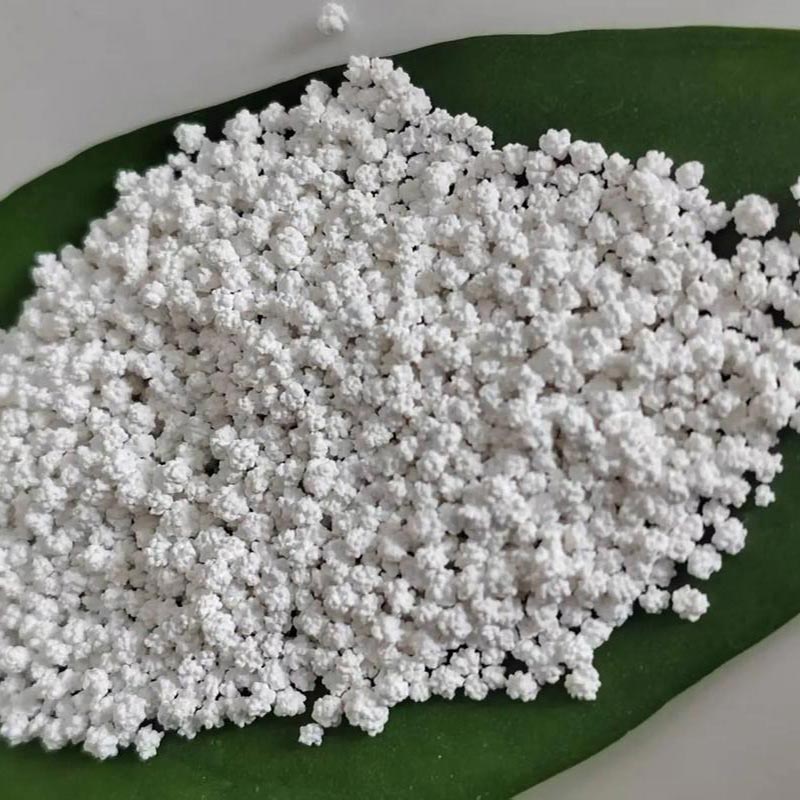
The Crucial Functions of Nitrogen During Grain Filling
At this stage, Nitrogen serves two primary, interconnected functions:
-
Maintaining Photosynthetic Capacity: Adequate Nitrogen in the leaves and stems helps keep the canopy green and photosynthetically active longer. This "functional stay-green" trait ensures a continued supply of carbohydrates (photosynthates) for the grains.
-
Remobilization from Vegetative Tissues: The plant strategically breaks down proteins (rich in Nitrogen) from older leaves and stems, transporting this stored Nitrogen to the grains. This internal recycling is a primary source of grain protein.
Balancing these functions is key. Excessive late-season Nitrogen can delay senescence, hamper remobilization, and even increase susceptibility to pests and lodging, while a deficiency leads to premature leaf yellowing and poor grain filling.
Managing Nitrogen for Optimal Grain Filling: A RONGDA Guide
Effective management hinges on the right source, timing, and method. RONGDA's technical approach emphasizes precision.
Recommended Nitrogen Application Strategy for Grain Filling
| Growth Stage | Primary Nitrogen Goal | RONGDA Recommendation |
|---|---|---|
| Panicle Initiation | Builds yield potential (panicle size, spikelets) | Apply a controlled-release Nitrogen Fertilizer For Rice to ensure steady supply. |
| Heading (Flowering) | Supports the initial grain set and canopy health | A light, top-dress application may be beneficial based on leaf color diagnosis. |
| Grain Filling | Maintain photosynthesis & enable remobilization | Foliar application of a low-dose, fast-acting RONGDA nitrogen formulation can support weak areas. |
RONGDA Nitrogen Fertilizer For Rice FAQ
Q: Should I apply nitrogen fertilizer during the grain filling stage?
A: Direct soil application is generally not recommended late in grain filling. The focus should be on the foundational applications earlier. However, a corrective foliar spray from RONGDA can address visible deficiencies without overstimulating vegetation.
Q: How does nitrogen affect rice grain quality?
A: Nitrogen significantly influences grain quality. Proper management increases grain protein content and improves milling recovery. Conversely, excessive or poorly-timed Nitrogen can lead to chalky grains, reducing transparency and market value.
Q: What are signs of nitrogen deficiency during grain filling?
A: The clearest sign is premature yellowing (chlorosis) of the lower and mid-canopy leaves starting from the leaf tip. This indicates the plant is scavenging Nitrogen from leaves faster than it can be supplied, potentially compromising yield.
Mastering Nitrogen management during the grain filling stage is the hallmark of a professional grower. It requires moving beyond simple formulas to a nuanced understanding of plant physiology. Trust RONGDA to be your partner in this crucial phase. Our specialized Nitrogen Fertilizer For Rice products and agronomic support are designed to help you achieve maximum yield with superior grain quality.
Contact us today for a personalized consultation on your rice field's nutritional program. Let RONGDA expertise guide you to a more productive and profitable harvest.