

What Safety Standards Apply to Handling Reactive Intermediates in Labs
2025-12-09
Working with reactive intermediates is a cornerstone of advanced research and development in pharmaceuticals, agrochemicals, and material science. However, their inherent instability and potential hazards demand stringent safety protocols. At Humanwell, we understand that safety is not just a compliance issue but a fundamental pillar of successful innovation. Our commitment extends beyond supplying high-purity Intermediates Category products to ensuring our clients are equipped with the knowledge and materials to operate safely. This blog outlines critical safety standards and how Humanwell's products are engineered for secure handling.
Key safety standards governing reactive intermediates include OSHA’s Laboratory Standard (29 CFR 1910.1450) for general lab safety and the Globally Harmonized System (GHS) for classification and labeling. Specific practices are dictated by the compound's reactivity profile.
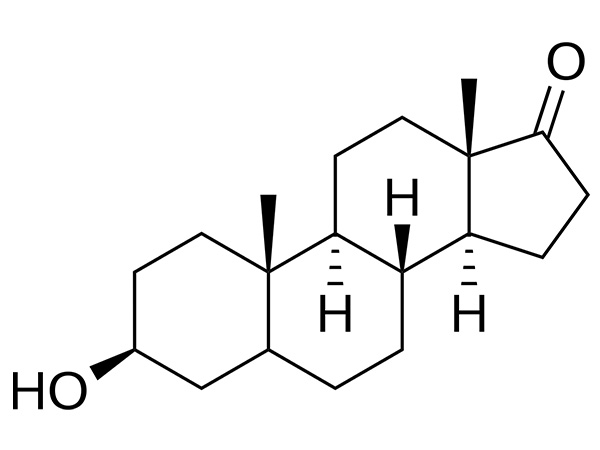
Humanwell designs its Intermediates Category products with safety as a core parameter. Key product features include:
-
Stabilization: Many of our reactive intermediates are supplied with appropriate stabilizers to inhibit premature polymerization or decomposition.
-
Specialized Packaging: We utilize air-tight, moisture-resistant containers, often under inert gas (N₂ or Ar), to prevent atmospheric contact.
-
Comprehensive Documentation: Each batch is accompanied by a detailed Safety Data Sheet (SDS) with GHS-compliant hazard pictograms, along with a Certificate of Analysis (CoA) confirming purity and identity.
The following table summarizes how Humanwell's product parameters align with common lab safety requirements:
| Safety Requirement | Humanwell Product Parameter & Support |
|---|---|
| Clear Hazard Identification (GHS) | SDS with full hazard classification, and clear labeling on all containers. |
| Prevention of Uncontrolled Reactions | Stabilized formulations and inert atmosphere packaging for sensitive intermediates. |
| Safe Storage Conditions | Explicit storage temperature ranges and compatibility guidelines provided in documentation. |
| Exposure Control | Recommendations for personal protective equipment (PPE) and engineering controls (e.g., fume hoods). |
| Spill and Emergency Response | Detailed first-aid and fire-fighting measures included in the SDS. |
Intermediates Category FAQ
Q: What defines a substance within the Reactive Intermediates Category?
A: Substances in the Reactive Intermediates Category are typically short-lived, highly energetic molecules generated during a chemical process. They are characterized by their tendency to undergo further reactions readily, which can pose hazards like thermal runaway, polymerization, or decomposition if not handled under controlled conditions.
Q: How should labs store bulk quantities of reactive intermediates?
A: Bulk storage must adhere to the conditions specified in the SDS. Typically, this involves storage in a cool, dry, well-ventilated area away from incompatible materials (e.g., oxidizers, acids). Many intermediates from Humanwell require refrigeration or freezing, always under an inert atmosphere as provided in our original, sealed packaging.
Q: Why is purity critical for the safe handling of intermediates?
A: High purity is a critical safety parameter. Impurities can act as catalysts for undesired exothermic reactions or decomposition. Humanwell’s rigorous quality control, verified by the CoA, ensures a consistent and high-purity product, eliminating variable impurity-related risks and providing predictable handling characteristics.
Partnering with a responsible supplier is the first step in establishing a safe laboratory environment. Humanwell is dedicated to being that partner, providing not only superior Intermediates Category products but also the critical safety data and packaging innovations that protect your team and your research.
Contact us today to receive detailed SDS documents for our Intermediates Category portfolio and learn how our Humanwell products and support can enhance the safety and efficiency of your laboratory operations.