

What Should You Check When Buying High Purity Mullite Sand 16-200 Mesh
2026-10-22
Purchasing High Purity Mullite Sand 16-200 Mesh is a specification-driven decision, not a commodity transaction. Whether you are sourcing for investment casting, refractory monolithics, or kiln furniture, the quality of the sand directly affects shell strength, dimensional stability, and surface finish. At Jar Hing, we have supplied graded mullite aggregates to foundries and refractory manufacturers for years, and the checklist below reflects the parameters that matter most in real production environments.
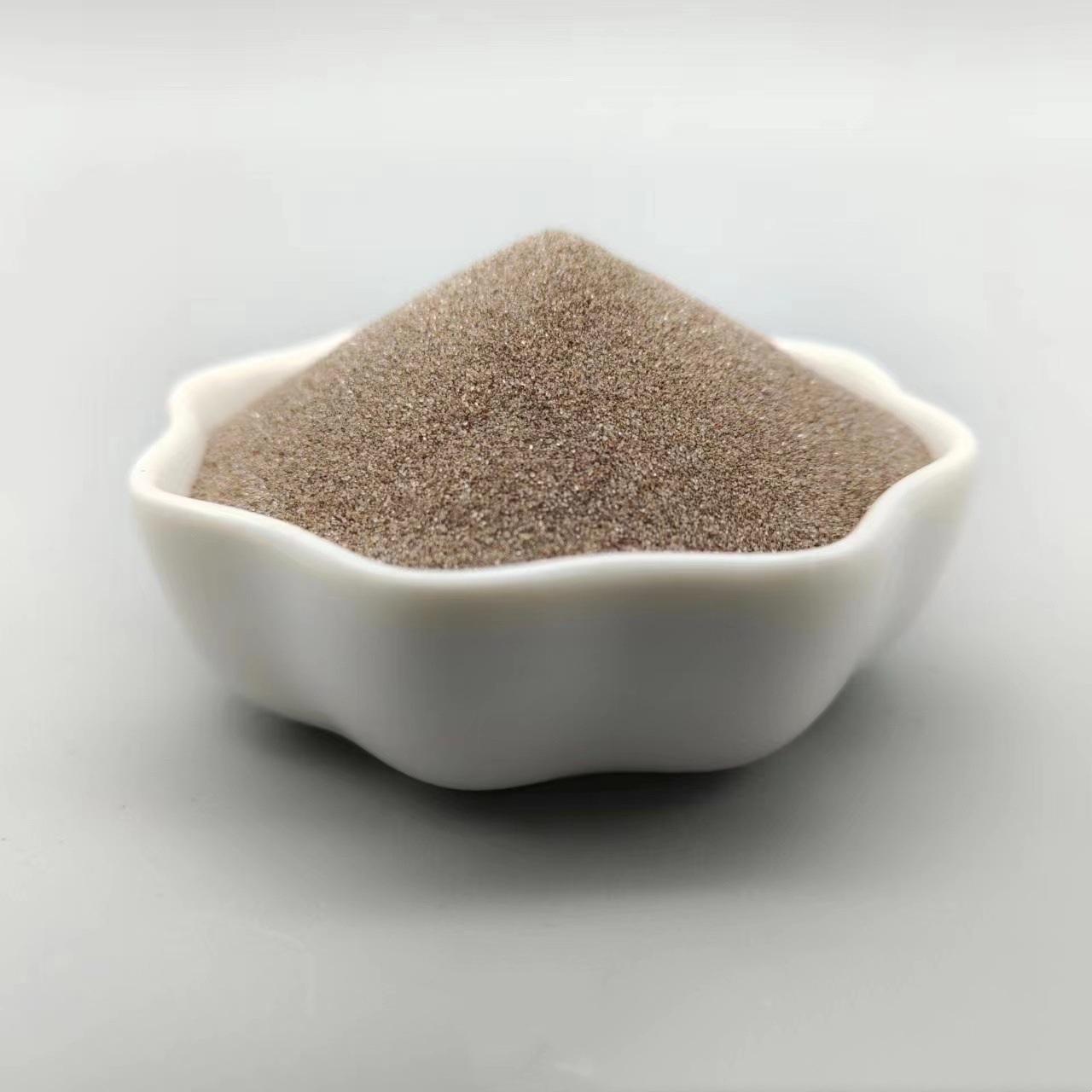
1. Chemical Composition and Purity
The first thing to verify is the alumina-silica ratio and impurity profile. High purity means low iron, low alkali, and controlled titania. Request a batch-specific certificate of analysis (COA), not a generic datasheet.
| Parameter | Typical High Purity Range | Why It Matters |
|---|---|---|
| Al₂O₃ | 60–75% | Refractoriness and creep resistance |
| SiO₂ | 22–35% | Balanced thermal expansion |
| Fe₂O₃ | ≤0.8% | Prevents staining and slag reaction |
| Na₂O + K₂O | ≤0.3% | Reduces glassy phase at temperature |
| TiO₂ | ≤1.0% | Controls mullite phase stability |
2. Particle Size Distribution and Mesh Consistency
High Purity Mullite Sand 16-200 Mesh covers a wide grading band. Confirm that the supplier reports actual sieve analysis, not just nominal mesh. A tight D50 and controlled fines content improve packing density and reduce resin demand in shell systems.
-
Sieve analysis per ASTM E11 or ISO 3310
-
Fines content below 200 mesh reported separately
-
Lot-to-lot variation within ±3% on retained percentages
3. Physical Properties
| Property | Checkpoint | Practical Impact |
|---|---|---|
| Bulk density | 2.5–2.8 g/cm³ | Mould strength and thermal mass |
| Apparent porosity | ≤2% | Permeability and binder consumption |
| Mohs hardness | 6–7 | Reusability and dust generation |
| Refractoriness | ≥1750°C | Service limit in high-heat zones |
4. Calcination and Phase Composition
Confirm the material is fully calcined and mullitized. Partially converted clay introduces shrinkage on first firing. Ask for XRD phase analysis showing mullite content above 85% for critical applications.
5. Supplier Documentation and Traceability
A professional supplier provides COA, SDS, sieve reports, and batch traceability. Jar Hing issues lot-linked documentation with every shipment so that incoming inspection aligns with your quality system.
Frequently Asked Questions
Q: What is the difference between 16-200 mesh mullite sand and a narrow-graded mullite?
A: High Purity Mullite Sand 16-200 Mesh is a broad-graded aggregate that packs efficiently across a wide particle range, improving density and reducing binder demand. Narrow-graded products offer more predictable permeability but lower packing efficiency.
Q: How do I verify the purity of High Purity Mullite Sand 16-200 Mesh before bulk purchase?
A: Request a batch-specific COA with XRF results, an independent sieve analysis, and a small pre-shipment sample for trial casting. Compare Fe₂O₃ and alkali levels against your specification and confirm mullite phase content by XRD.
Q: Can High Purity Mullite Sand 16-200 Mesh be reused in foundry shell systems?
A: Yes, with caveats. Reclaimed sand must be re-sieved, dedusted, and tested for sintered fines and binder residue. Reuse rates above 70% typically require blending with fresh High Purity Mullite Sand 16-200 Mesh to maintain shell integrity.
Conclusion
Buying High Purity Mullite Sand 16-200 Mesh comes down to verified chemistry, controlled grading, and documented traceability. Working with a supplier that provides lot-level data and consistent quality reduces reject rates and stabilizes your process. Contact us at Jar Hing today to request a specification sheet, sample, and quotation for your next order.