Which Factors Define the Quality and Application Value of PTA Purified Terephthalic Acid?
2026-09-28
Article Summary
Purified Terephthalic Acid (PTA) is a critical chemical intermediate widely used in polyester manufacturing, including PET resin, polyester fibers, PET films, and industrial polyester applications. For buyers sourcing PTA, understanding purity requirements, production processes, application compatibility, and supplier reliability is essential to maintaining stable downstream production. This article explains which factors determine high-quality PTA and how industrial users can make more reliable purchasing decisions
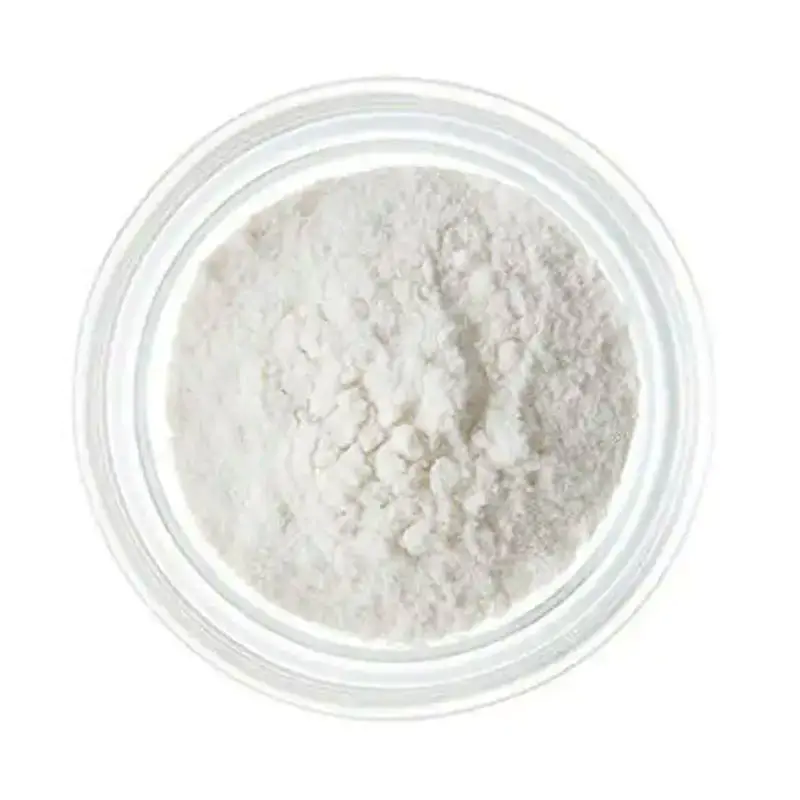
PTA Purified Terephthalic Acid is one of the most important aromatic dicarboxylic acids used in the polymer industry. As a high-purity chemical intermediate, PTA provides the main acid component required for producing polyethylene terephthalate (PET) and various polyester materials. Its stable molecular structure allows manufacturers to achieve consistent polymerization performance across large-scale production lines.
For industries producing polyester fibers, packaging materials, films, and specialty resins, the quality of PTA directly influences final product performance. Variations in purity, impurity levels, particle characteristics, or batch consistency may affect polymer reaction efficiency, color stability, mechanical strength, and processing reliability.
PTA is mainly produced from para-xylene through oxidation and purification processes. The purified product is then used together with ethylene glycol to manufacture polyester materials. These materials are widely applied in textiles, beverage bottles, food packaging, industrial films, and engineering applications.
Because PTA becomes part of the polymer chain during production, industrial buyers usually focus not only on chemical purity but also on supply consistency, technical documentation, transportation conditions, and long-term cooperation capability.
Which Production Process Determines PTA Quality?
The manufacturing route of PTA has a direct impact on product performance. Modern PTA production generally involves oxidation of para-xylene followed by purification steps designed to remove unwanted by-products and improve chemical stability.
1. Oxidation of Para-Xylene
The first stage converts para-xylene into crude terephthalic acid through catalytic oxidation. This process creates the basic terephthalic acid structure but also generates impurities that must be removed before polymer applications.
2. Purification and Impurity Control
Crude terephthalic acid contains substances such as 4-carboxybenzaldehyde (4-CBA) and other oxidation by-products. Advanced purification technologies reduce these impurities to achieve the quality level required for polyester production.
3. Crystallization and Drying
After purification, PTA undergoes crystallization, filtration, and drying processes. Proper control during these stages helps maintain particle uniformity, transportation stability, and predictable downstream processing behavior.
| Production Stage | Main Purpose | Quality Impact |
|---|---|---|
| Oxidation | Convert para-xylene into terephthalic acid | Determines basic chemical structure |
| Purification | Remove unwanted impurities | Improves polymerization performance |
| Crystallization | Control particle formation | Supports stable processing |
| Drying | Reduce moisture content | Improves storage and handling |
Which Industries Depend on PTA Raw Materials?
PTA has become an essential raw material across multiple industries because polyester-based materials combine durability, chemical resistance, lightweight characteristics, and processing flexibility.
Polyester Fiber Manufacturing
The textile industry is one of the largest consumers of PTA. Combined with ethylene glycol, PTA produces PET polymer, which can be spun into polyester filament yarn and staple fibers used for clothing, home textiles, and industrial fabrics.
- Apparel fabrics
- Home furnishing textiles
- Technical textile materials
- Industrial reinforcement fabrics
PET Bottle and Packaging Production
PTA is a key raw material for PET resin used in beverage bottles, food containers, and packaging products. Manufacturers require stable PTA quality to maintain transparency, mechanical strength, and production efficiency.
PET Film Applications
PET films produced from PTA-based polyester are widely used in packaging, electrical insulation, printing materials, and industrial laminates.
Coating and Specialty Resin Applications
PTA can also be used in polyester resin systems for industrial coatings and composite materials where hardness, chemical resistance, and durability are required.
| Application Area | PTA Function | Final Products |
|---|---|---|
| Textile Industry | Polyester polymer raw material | Yarn, fibers, fabrics |
| Packaging | PET resin production | Bottles, containers |
| Film Manufacturing | Polyester film production | Packaging film, insulation film |
| Industrial Resin | Polyester resin component | Coatings and composites |
Which Specifications Should Buyers Check Before Purchasing PTA?
Selecting PTA suppliers requires more than checking a simple purity value. Industrial buyers need to evaluate multiple technical parameters according to their production requirements.
Key Purchasing Factors
- Purity Level: Higher purity supports stable polymerization reactions.
- 4-CBA Content: Important for controlling polymer quality and color performance.
- Moisture Content: Influences storage stability and processing conditions.
- Ash Content: Helps evaluate inorganic residue levels.
- Particle Size Distribution: Affects feeding, transportation, and production efficiency.
- Batch Consistency: Reduces production fluctuations for continuous manufacturing.
| Specification | Why It Matters |
|---|---|
| Purity | Ensures reliable polymer formation |
| 4-CBA Level | Controls reaction performance and product appearance |
| Moisture | Improves storage and handling stability |
| Packaging Method | Protects product quality during transportation |
Which Challenges Can PTA Buyers Avoid?
Challenge 1: Unstable Product Quality
For large-scale polyester producers, inconsistent PTA batches may create production adjustments and increase operating costs. Buyers should work with suppliers capable of maintaining stable quality control systems.
Challenge 2: Incomplete Technical Information
Chemical procurement decisions require reliable documentation, including technical specifications, safety information, testing reports, and shipment details.
Challenge 3: Supply Chain Uncertainty
PTA users often operate continuous production lines. Delayed delivery or inconsistent supply schedules may affect manufacturing efficiency. Stable logistics planning and supplier communication are important parts of procurement management.
How to Evaluate a Reliable PTA Supplier
- Review technical specifications before ordering.
- Confirm application compatibility with your production process.
- Check quality inspection procedures.
- Discuss packaging and transportation requirements.
- Establish clear communication channels for future supply needs.
Frequently Asked Questions About PTA Purified Terephthalic Acid
What is PTA Purified Terephthalic Acid mainly used for?
PTA is mainly used as a raw material for polyester production, including PET resin, polyester fibers, PET films, and related industrial materials.
Why is PTA purity important?
Purity affects polymerization efficiency, product appearance, mechanical properties, and production stability. High-quality PTA helps manufacturers maintain consistent output.
What is the difference between PTA and crude terephthalic acid?
Crude terephthalic acid is an intermediate product containing more impurities. PTA is the purified form suitable for direct polyester manufacturing.
Which industries purchase PTA?
Major users include polyester fiber manufacturers, PET packaging producers, film manufacturers, and specialty resin companies.
How should PTA be stored?
PTA should normally be stored in dry conditions with proper packaging protection to prevent contamination and moisture absorption.
Looking for Reliable PTA Purified Terephthalic Acid Supply?
For industrial buyers requiring stable PTA quality, professional technical support, and dependable supply coordination, our team is ready to provide customized solutions according to your application requirements.
Contact us today and discuss your PTA sourcing needs with our specialists.
Shanshan Plaza, No. 777 Mid Rili Road, Yinzhou District, Ningbo, China.