

Pharmaceutical intermediates are essential chemical compounds used during the production of active pharmaceutical ingredients (APIs) and other pharmaceutical substances. Their quality, purity, consistency, and traceability can directly influence downstream manufacturing efficiency and the reliability of the final product. However, sourcing the right intermediate involves more than comparing prices or reviewing a specification sheet. Buyers must evaluate impurity profiles, analytical methods, batch consistency, documentation, supplier capabilities, storage requirements, and regulatory obligations. This guide explains how to assess pharmaceutical intermediates, reduce procurement risks, verify supplier quality, and establish a dependable sourcing process. It also outlines the practical questions manufacturers should address before approving a new material or supplier.
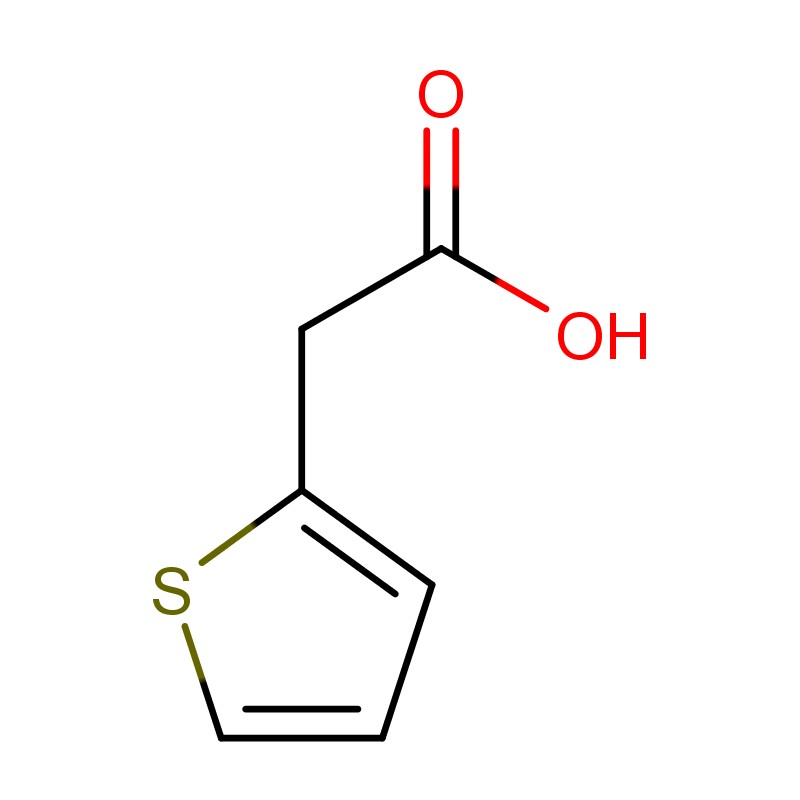
Understanding Pharmaceutical Intermediates in Modern Drug Manufacturing
Pharmaceutical manufacturing depends on a series of carefully controlled chemical and processing steps. Before an active pharmaceutical ingredient reaches its final form, manufacturers may need to produce, isolate, purify, and test several intermediate compounds. These substances are commonly known as pharmaceutical intermediates.
An intermediate is generally a compound formed during a manufacturing process that undergoes further chemical transformation or processing before becoming the intended final substance. Depending on the synthesis route, an intermediate may be used in a single subsequent reaction or may pass through multiple additional stages.
Although an intermediate is not necessarily the finished drug substance, its quality can influence later reactions, purification requirements, manufacturing yield, and the impurity profile of downstream materials. A problem introduced early in a synthesis route may become more difficult or expensive to resolve during later production stages.
Key principle: A pharmaceutical intermediate should be assessed according to its intended manufacturing use, process requirements, critical quality attributes, and applicable quality agreements—not simply by its chemical name or nominal purity.
For procurement teams, process chemists, quality assurance personnel, and production managers, understanding the role of an intermediate is the first step toward selecting a material that meets the needs of the entire manufacturing process.
Why Does Intermediate Quality Matter?
In pharmaceutical production, small variations in raw materials can create substantial downstream consequences. Differences in impurity levels, moisture content, residual solvents, or physical characteristics may affect reaction behavior and the reproducibility of a process.
1. Protecting Downstream Product Quality
Unwanted impurities may carry into subsequent stages, participate in side reactions, or complicate purification. The extent of this risk depends on the specific chemistry and process. Understanding the impurity profile of each incoming intermediate helps manufacturers establish appropriate controls and determine whether additional purification or testing is necessary.
2. Maintaining Manufacturing Consistency
Reliable batch-to-batch performance helps production teams operate within established process parameters. Significant variation can result in altered reaction times, lower yields, increased reprocessing, or additional investigation.
3. Controlling Operational Costs
The lowest purchase price does not always translate into the lowest total cost. Material failures can lead to rejected batches, production interruptions, extra analytical work, waste disposal, and delayed delivery commitments. Evaluating quality and reliability alongside price provides a more realistic view of procurement value.
4. Supporting Risk-Based Quality Management
Pharmaceutical manufacturers need documented processes for evaluating material risks. The level of control applied to an intermediate should reflect its intended use, process knowledge, potential impact on the final drug substance, and applicable regulatory requirements.
- Establish specifications that reflect actual process needs.
- Identify impurities that may affect downstream quality.
- Compare batch results against predefined acceptance criteria.
- Investigate unexpected trends rather than relying only on pass-or-fail results.
- Maintain supplier communication and change-control procedures.
Common Types of Pharmaceutical Intermediates and Their Applications
Pharmaceutical intermediates cover a broad range of chemical structures and functional groups. Their classification depends on their chemistry, position within a synthesis route, and intended downstream transformation.
| Intermediate Category | General Role | Important Evaluation Considerations |
|---|---|---|
| Early-stage intermediates | Provide starting structures for subsequent synthesis steps. | Identity, purity, key impurities, and reaction suitability. |
| Advanced intermediates | Contain more of the target molecule's structural features. | Structural confirmation, impurity control, and batch consistency. |
| Chiral intermediates | Support the production of molecules with defined stereochemistry. | Enantiomeric purity, stereochemical integrity, and analytical method suitability. |
| Heterocyclic intermediates | Provide ring structures frequently found in pharmaceutical molecules. | Identity, regioisomer control, residual reagents, and reaction-related impurities. |
| Protected functional-group intermediates | Temporarily protect reactive groups during multistep synthesis. | Protection efficiency, stability, and suitability for the next reaction. |
| Specialty intermediates | Serve a specific synthesis route or product family. | Custom specifications, supply continuity, technical support, and change control. |
These categories are illustrative rather than a universal classification system. A single compound may fit more than one category, and the appropriate testing strategy depends on the individual substance and its place in the manufacturing process.
Buyers should therefore provide suppliers with the exact compound identity, relevant specifications, intended application, expected volume, and any critical process restrictions. Clear technical communication reduces the likelihood of receiving a material that matches the name but does not meet the actual application requirements.
Which Quality Parameters Should Buyers Evaluate?
A supplier's certificate of analysis is an important starting point, but an effective material assessment considers the complete set of attributes relevant to the intended process.
Chemical Identity
Identity testing helps establish that the material is the expected compound. Depending on the substance, suitable methods may include infrared spectroscopy, nuclear magnetic resonance, mass spectrometry, chromatography, or other scientifically justified techniques. The appropriate method should be defined by the material specification and analytical requirements.
Purity and Impurity Profile
Purity results should be interpreted alongside the analytical method, calculation basis, and known impurities. A single headline purity percentage does not necessarily describe every impurity that could affect downstream processing.
Where relevant, buyers should establish limits for process-related impurities, related substances, residual reagents, and other specified contaminants. Impurity control should be based on scientific understanding and the intended use of the material.
Moisture and Residual Solvents
Moisture can influence stability, reaction performance, and material handling. Residual solvents may also require control according to the process, material specification, and applicable standards. Karl Fischer titration, loss-on-drying testing, or suitable chromatographic methods may be used where appropriate.
Physical Properties
Appearance, particle characteristics, solubility, bulk behavior, or other physical attributes may be relevant to weighing, dissolution, transfer, and processing. These properties should be specified when they have a demonstrated impact on manufacturing performance.
Batch Consistency
Reviewing multiple batch records can reveal patterns that are not apparent from a single certificate. Stable analytical results, documented deviations, and effective corrective actions can help buyers assess whether a supplier is capable of maintaining consistent production.
| Quality Attribute | Question to Ask | Why It Matters |
|---|---|---|
| Identity | Is the compound confirmed using an appropriate method? | Prevents material mix-ups and incorrect identification. |
| Purity | Is the test method suitable for the compound and specification? | Supports reliable evaluation of material quality. |
| Impurities | Are relevant impurities identified, monitored, and controlled? | Reduces downstream process and quality risks. |
| Moisture | Is moisture controlled where it affects stability or processing? | Helps maintain predictable material behavior. |
| Stability | Are storage conditions and retest or expiry provisions justified? | Supports appropriate inventory management. |
| Traceability | Can the batch be traced to its manufacturing and testing records? | Facilitates investigations, audits, and quality decisions. |
How Can You Evaluate a Pharmaceutical Intermediate Supplier?
Choosing a supplier is a technical and commercial decision. A reliable partner should be able to demonstrate that the material can be produced, tested, documented, packed, and delivered in accordance with the agreed requirements.
Technical Capability
Evaluate whether the supplier understands the compound, applicable specifications, manufacturing requirements, and analytical methods needed to control quality.
Quality Systems
Review documented procedures for material identification, testing, deviations, corrective actions, change control, and batch release.
Supply Reliability
Discuss production capacity, lead times, inventory strategy, contingency planning, and communication when supply conditions change.
Documentation Support
Confirm which certificates, specifications, safety documents, and technical records are available for the material and intended use.
Request Evidence, Not Just Assurances
General statements about quality are less useful than verifiable documentation. Depending on the purchasing risk, buyers may request representative certificates of analysis, approved specifications, relevant analytical-method information, sample evaluation, audit responses, or evidence of appropriate quality-system controls.
Any audit or qualification should be proportionate to the risk and the applicable regulatory framework. Certification claims should be checked for their exact scope, validity, and relevance to the product and manufacturing site concerned.
Evaluate Communication Before an Urgent Order
Clear communication is particularly important for custom or advanced intermediates. Suppliers should be able to clarify specifications, explain realistic lead times, identify documentation limitations, and communicate material or process changes before those changes affect production.
For buyers considering Leache, it is sensible to begin with a clearly defined inquiry covering the compound identity, required specification, annual or batch demand, destination, packaging expectations, and required documentation. Specific capabilities, certifications, and product availability should be confirmed directly with the company rather than assumed.
Documentation and Traceability: What Should Be Confirmed?
Documentation connects the physical material to its specifications, test results, manufacturing history, and intended handling conditions. Missing or inconsistent records can delay material release even when the material appears to meet its technical requirements.
Essential Documents to Discuss
- Product specification: Defines identity, relevant quality attributes, test methods, and acceptance criteria.
- Certificate of analysis: Records the tested batch results and the applicable specification or acceptance limits.
- Safety Data Sheet: Provides relevant hazard, handling, storage, and emergency information.
- Batch identification: Connects the material container to its batch records and test documentation.
- Packaging information: Identifies the packaging type, quantity, closure system, and any special handling requirements.
- Stability information: Supports storage conditions and the applicable retest or expiry approach.
- Change-control information: Explains how relevant changes to materials, processes, specifications, or manufacturing sites are communicated.
Additional documents may be required depending on the compound, destination market, customer quality agreement, transport conditions, and regulatory expectations. Examples include origin documentation, specialized impurity information, or records supporting a particular qualification process.
Important distinction: A pharmaceutical intermediate is not automatically an API or a finished medicinal product. The quality and regulatory obligations applicable to a specific material depend on its intended use, manufacturing context, and relevant legal requirements. Do not assume that a supplier's general certification establishes compliance for every product or application.
Effective traceability should allow authorized personnel to connect received containers, batch numbers, test results, supplier records, and internal material-use records. These connections make investigations and quality decisions faster and more reliable.
How Do Manufacturing, Storage, and Transportation Affect Material Quality?
Quality is not determined by laboratory testing alone. A compound that meets its specification at release may still be affected by unsuitable storage, poor packaging integrity, excessive moisture exposure, temperature excursions, or inappropriate handling during transportation.
Manufacturing Controls
Manufacturing consistency depends on suitable process controls, qualified equipment where applicable, appropriate cleaning practices, controlled raw materials, and effective investigation of deviations. The precise controls required vary with the chemical process and the material's intended application.
Packaging and Storage
Packaging should protect the material against relevant environmental and handling risks. Depending on its properties, an intermediate may require protection from moisture, oxygen, light, contamination, or temperature variation.
Storage instructions should be supported by available stability information. Buyers should confirm the recommended temperature range, humidity precautions, container closure requirements, shelf-life or retest provisions, and any restrictions on storage after opening.
Transportation Planning
Shipping conditions should reflect the material's stability, classification, packaging, route, and applicable transport rules. For temperature-sensitive materials, suitable shipping arrangements and excursion-management procedures may be necessary. Hazardous materials must be packaged, marked, documented, and transported according to the relevant regulations.
Receiving Inspection
On arrival, receiving personnel should verify the product name, batch number, quantity, container integrity, labeling, and accompanying documents. Any discrepancy, damage, or suspected storage excursion should be handled through the site's established quality procedure before the material is released for use.
A Practical Checklist for Purchasing Pharmaceutical Intermediates
A structured procurement checklist helps purchasing, technical, and quality teams align their requirements before an order is placed. This is particularly useful when qualifying a new supplier or introducing a new intermediate into an established process.
Before Requesting a Quotation
- Confirm the exact compound name and chemical identity.
- Provide a CAS number or structural information where applicable.
- Define the required purity and critical impurity limits.
- Specify analytical methods or method requirements where necessary.
- Estimate order quantity, annual demand, and delivery frequency.
- Identify packaging, storage, and transportation requirements.
- List required documents and any qualification requirements.
Before Supplier Approval
- Review the specification and representative batch documentation.
- Confirm the manufacturing site and supply-chain arrangements.
- Assess the supplier's quality controls in proportion to the risk.
- Evaluate sample results where sampling and testing are appropriate.
- Agree on deviation reporting and change-control expectations.
- Confirm lead times, minimum order quantities, and contingency options.
Before Material Release
- Verify the incoming material against the purchase order.
- Check packaging integrity and batch identification.
- Review the certificate of analysis and required supporting records.
- Complete incoming testing or verification according to the approved procedure.
- Maintain the material under the specified storage conditions.
- Release the material only through the authorized quality process.
Not every item requires the same level of control. The checklist should be tailored to the material's risk, the manufacturer's process, customer agreements, and applicable requirements. A documented, risk-based approach helps prevent unnecessary administrative work while maintaining appropriate quality safeguards.
Common Sourcing Problems and Practical Ways to Reduce Them
Problem 1: Comparing Suppliers Only by Purity Percentage
Two suppliers may report the same purity value while using different analytical methods or calculation bases. Their impurity profiles may also differ. Buyers should review method suitability, specified impurities, and relevant batch data rather than relying on one number.
Problem 2: Receiving Incomplete Documentation
Missing specifications, inconsistent batch identifiers, or unclear storage information can delay approval. Define document requirements during supplier qualification and include them in purchasing agreements where appropriate.
Problem 3: Unexpected Changes in Material Quality
A change in raw materials, manufacturing conditions, site, or analytical methods can affect comparability. Establish a process for evaluating relevant changes before implementation, with the level of review determined by their potential impact.
Problem 4: Unreliable Delivery Schedules
Long lead times or limited production capacity can disrupt manufacturing plans. Discuss realistic delivery windows, demand forecasts, order quantities, and contingency arrangements before relying on a supplier for critical production requirements.
Problem 5: Poor Communication Between Procurement and Quality Teams
Purchasing teams may focus on price and delivery, while technical teams focus on specifications and process compatibility. Bringing both groups into the supplier evaluation process helps prevent commercial decisions from overlooking critical material requirements.
Practical recommendation: Treat supplier qualification as an ongoing process. Monitor incoming material results, delivery performance, documentation quality, complaints, and changes over time. A supplier that performed well in the past should still be evaluated against current requirements.
Frequently Asked Questions About Pharmaceutical Intermediates
Pharmaceutical intermediates are chemical compounds formed or used during the production of pharmaceutical substances. They undergo further chemical reactions or processing before becoming the intended final substance in a manufacturing route.
No. An intermediate is generally a substance that undergoes further processing in a synthesis route, whereas an active pharmaceutical ingredient is the substance intended to provide pharmacological activity in a medicinal product. Their precise regulatory treatment depends on the applicable definitions and manufacturing context.
Common attributes include chemical identity, purity, relevant impurities, residual solvents, moisture, stability, and batch consistency. The specific tests and acceptance criteria should be established according to the compound, intended process, and applicable quality requirements.
No. Purity is only one part of the evaluation. Buyers should also assess the analytical method, impurity profile, batch consistency, documentation, traceability, storage requirements, and the supplier's ability to meet agreed specifications reliably.
Commonly requested documents include a product specification, certificate of analysis, Safety Data Sheet, batch identification information, and relevant storage and stability instructions. Additional records may be required by the buyer's quality system, intended use, or destination market.
Start by confirming product identity, specifications, manufacturing capability, quality controls, analytical methods, and document availability. Depending on risk, additional steps may include sample testing, technical discussions, audits, and review of quality agreements.
Environmental exposure and unsuitable handling may affect stability, purity, packaging integrity, or usability. Storage and transportation conditions should follow the material's known properties, stability information, safety requirements, and applicable transport regulations.
Some intermediates can be manufactured to customer-defined requirements, depending on the supplier's technical capabilities, process capacity, and applicable legal and quality obligations. Buyers should confirm feasibility, specifications, scale, lead time, documentation, and intellectual-property considerations before placing an order.
Define suitable specifications, review historical batch data where available, monitor incoming results, establish change-control expectations, and investigate unexpected trends. Supplier performance should be reviewed periodically rather than assessed only during initial qualification.
Include the compound name, available chemical identifiers, required specification, expected quantity, intended application, destination, packaging requirements, requested delivery date, and required documentation. The more precise the inquiry, the easier it is for a supplier to evaluate feasibility and provide a relevant quotation.
Build a More Reliable Pharmaceutical Intermediate Sourcing Strategy
Selecting pharmaceutical intermediates requires a balanced assessment of chemistry, quality, documentation, supplier capability, and supply continuity. A well-defined specification helps ensure that buyers and suppliers understand the same requirements, while effective traceability and change control support consistent manufacturing over time.
Rather than focusing exclusively on unit price or a single purity result, pharmaceutical manufacturers should evaluate the complete material and supply arrangement. Reviewing relevant impurities, analytical methods, batch performance, storage conditions, and documentation before approval can reduce avoidable production interruptions and improve procurement decisions.
Leache is a potential starting point for buyers exploring pharmaceutical chemical sourcing. Visit the Leache company profile to learn more about the company, and contact its team directly to confirm product availability, technical capabilities, quality documentation, and suitability for your specific requirements.
Looking for a Pharmaceutical Intermediate Supplier?
Finding a suitable pharmaceutical intermediate starts with clear specifications, reliable documentation, and a thorough understanding of your manufacturing requirements. Share your target compound, purity requirements, expected quantity, and delivery needs with Leache to discuss the next steps.
Have a sourcing question or a specific material requirement? Contact us to discuss your inquiry and explore a suitable supply solution.