

Article Summary
A rapid antigen test for the anterior nasal Covid-19 sample is designed to detect SARS-CoV-2 viral antigens from a specimen collected from the front portion of the nasal cavity. Compared with laboratory-based molecular testing, rapid antigen testing is built around speed, straightforward sample collection and convenient point-of-care or self-testing workflows. However, a negative antigen result does not always exclude infection, particularly when viral levels are low. Understanding specimen collection, test timing, storage, result interpretation and regulatory requirements is therefore essential when evaluating a rapid antigen test for clinical, workplace, institutional or distribution use.
This guide explains how anterior nasal Covid-19 antigen testing works, what buyers should examine before purchasing, how testing errors can occur, and how a professional manufacturer such as KINGSTAR can support organizations looking for dependable rapid diagnostic test solutions.
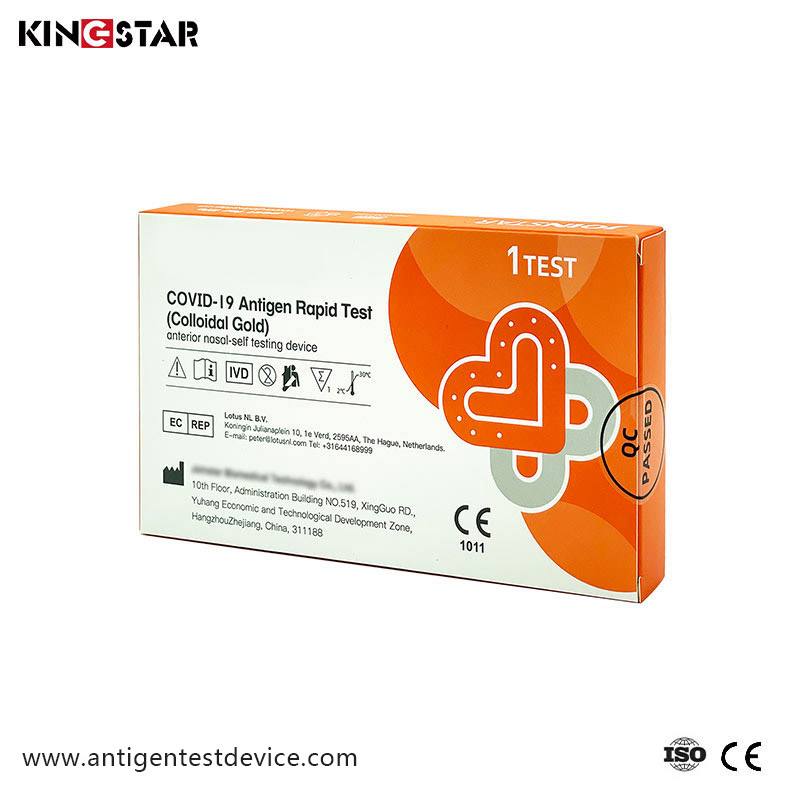
What an Anterior Nasal Rapid Antigen Test Does
A rapid antigen test detects specific viral proteins rather than directly identifying viral genetic material. For Covid-19 testing, the target is generally an antigen associated with SARS-CoV-2. The sample is collected with a nasal swab, processed with the test's extraction solution and then applied to a test device. Depending on the product design, the visible result can often be read within minutes.
The term anterior nasal refers to collecting the specimen from the front portion of the nostril rather than requiring a deeper nasopharyngeal collection. This can make the sampling process more practical for frequent testing because the procedure is generally simpler and less uncomfortable than deeper sampling.
The FDA describes at-home Covid-19 antigen tests as tests that can provide results without sending a specimen to a laboratory. FDA-authorized products have specific intended-use conditions, age requirements, testing schedules and expiration information, so these details should always be checked against the instructions supplied with the individual product.
Why the Anterior Nasal Specimen Matters
Specimen collection is one of the most important parts of any rapid antigen workflow. A highly engineered test device cannot compensate for a poorly collected sample. The swab needs to contact the appropriate area of the nasal passage according to the manufacturer's instructions, and the specimen needs to be transferred correctly into the extraction buffer.
Anterior nasal collection is particularly useful when the testing workflow needs to be simple enough for repeated operation by non-specialist users, trained staff or consumers, depending on the product's authorized intended use. The exact collection method, age range and supervision requirements differ between products.
The easiest test to use is not necessarily the test with the best overall performance. Buyers should evaluate the complete workflow: swab design, extraction procedure, number of steps, result-reading method, control mechanism, packaging, instructions and intended-use authorization.
A clear and well-designed instruction system is especially important when a rapid antigen test is distributed in large quantities. Instructions should explain specimen collection, extraction, application of the sample, result interpretation, invalid results and appropriate follow-up actions.
How the Test Workflow Usually Works
Although individual products differ, the general process follows a logical sequence. The user first prepares the test components and checks that the kit is suitable for use. A nasal specimen is then collected with the supplied swab. The swab is placed into the extraction solution, where the sample is processed before the extracted material is transferred to the test device.
The test device contains the analytical components needed to identify the target antigen. If the target is present at a detectable concentration, a test signal can develop. A separate control signal confirms that the test has run correctly. If the control signal does not appear, the result should normally be treated as invalid rather than negative.
Typical Workflow
- Check the package, instructions, expiration information and test components.
- Prepare the testing area and wash or clean hands as instructed.
- Collect the anterior nasal specimen using the supplied swab.
- Process the swab in the extraction buffer according to the product instructions.
- Apply the processed specimen to the test device.
- Wait for the specified reading time.
- Interpret the control and test indicators exactly as described in the instructions.
- Dispose of used materials according to applicable local requirements.
Timing matters. Reading a test too early or substantially beyond the specified interpretation window can create uncertainty. For professional procurement, this is one reason the instructions for use should be reviewed before purchasing large quantities.
What Determines Testing Performance
Buyers sometimes focus only on a headline sensitivity or specificity figure. In practical deployment, performance depends on more than one number. The specimen type, viral antigen concentration, timing of testing, collection quality, extraction process, environmental conditions and user technique can all affect the final result.
| Factor | Why It Matters | What Buyers Should Examine |
|---|---|---|
| Specimen collection | A poor specimen may contain insufficient target material. | Swab design and clear collection instructions. |
| Testing timing | Antigen levels can vary during the course of infection. | Intended-use population and recommended testing window. |
| Extraction | Incorrect extraction can reduce the amount of detectable material transferred to the device. | Simple, reproducible extraction steps. |
| Test chemistry | The analytical system determines how the target antigen is captured and detected. | Validation data and documented performance. |
| Storage | Improper storage can affect kit components and test reliability. | Storage temperature, shelf life and packaging integrity. |
| User interpretation | Incorrect reading can result in an invalid or misinterpreted result. | Clear result windows and easy-to-follow instructions. |
Antigen tests are generally less sensitive than molecular tests, especially when viral levels are low. The FDA therefore recommends repeat testing after a negative at-home antigen result under applicable circumstances, because a single negative antigen result does not necessarily rule out infection.
What Buyers Should Check Before Purchasing
For distributors, laboratories, healthcare organizations and institutional buyers, purchasing a rapid antigen test is more complicated than comparing unit prices. A reliable procurement decision should consider the entire product lifecycle, from regulatory documentation and incoming inspection to storage, distribution and end-user instructions.
1. Intended Use
Confirm whether the test is intended for professional use, point-of-care use, self-testing or another defined setting. Age limitations and supervision requirements can also vary by product.
2. Regulatory Documentation
Request the documentation relevant to the target market. Depending on the destination, buyers may need information such as product registration, authorization, performance evaluation, quality-system documentation, labeling and instructions for use.
3. Performance Data
Review validation data rather than relying only on marketing descriptions. Look for information about sensitivity, specificity, sample type, tested population, comparator method and study conditions.
4. Packaging and Traceability
Batch numbers, expiration dates and packaging information are important for inventory management and quality traceability. For large orders, buyers should also clarify whether lot-level documentation can be supplied.
5. Supply Capability
A supplier should be able to explain production capacity, lead times, minimum order quantities, packaging configurations and export support. These factors become particularly important for distributors planning recurring purchases.
Rapid Antigen Testing Compared with Molecular Testing
Rapid antigen and molecular tests serve different practical purposes. Molecular methods detect viral genetic material and are generally more analytically sensitive, while antigen tests emphasize speed and operational simplicity.
| Characteristic | Rapid Antigen Test | Molecular Test |
|---|---|---|
| Primary target | Viral antigen | Viral genetic material |
| Typical workflow | Rapid, relatively simple | Usually requires more laboratory or instrument infrastructure |
| Result speed | Often measured in minutes | Varies by platform and laboratory workflow |
| Analytical sensitivity | Generally lower than molecular testing | Generally higher |
| Operational advantage | Convenience and rapid decision support | Greater analytical sensitivity and laboratory capability |
The choice between testing methods should therefore be based on the intended application rather than assuming that one technology replaces the other. For situations where rapid information is important, an antigen test can provide a practical testing option when used according to its authorized instructions.
Common Testing Problems and How to Reduce Them
Insufficient Nasal Sampling
Collecting too little specimen can reduce the amount of target material entering the extraction process. Training and clear visual instructions can help reduce inconsistent collection.
Incorrect Extraction
The swab needs to be processed according to the manufacturer's specified extraction procedure. Skipping mixing steps, using the wrong volume or applying the sample incorrectly can compromise the test workflow.
Incorrect Reading Time
Every test has a specified interpretation period. Users should avoid interpreting the result outside that window unless the product instructions explicitly allow it.
Ignoring an Invalid Control
A missing control line or control signal generally means the test has not functioned as intended. It should not simply be recorded as a negative result. The correct response is to follow the product instructions for repeat testing.
Using Improperly Stored Kits
Temperature and humidity conditions can matter during transportation and storage. Buyers should maintain the conditions specified by the manufacturer and monitor stock rotation.
A negative antigen result should not automatically be treated as proof that SARS-CoV-2 infection is absent. FDA guidance notes that repeat testing can reduce the chance of missing an infection after an initial negative antigen result. Follow the specific instructions and applicable public-health or healthcare guidance for the product and market.
Storage, Shelf Life and Kit Management
Storage is often overlooked during procurement, especially when rapid diagnostic products are purchased in bulk. Temperature exposure during warehousing or transportation can become a practical quality-control issue if the required conditions are not maintained.
The expiration date should be checked before use. Buyers should also understand that expiration information can sometimes be updated by a regulatory authority for specific products, so the current regulatory information for the exact test should be checked rather than relying on assumptions. The FDA maintains an updated list of authorized at-home Covid-19 diagnostic tests and associated expiration information.
- Keep products within the manufacturer's specified storage range.
- Protect unopened kits from unsuitable environmental conditions.
- Track lot numbers and expiration dates during warehouse management.
- Use a first-expiring, first-out inventory approach where practical.
- Inspect packaging before distribution or use.
- Maintain traceability records for commercial orders.
Product authenticity also matters. Regulatory authorities have warned about counterfeit at-home Covid-19 tests, which may have inadequate or unverified performance. Buyers should source through legitimate supply channels and verify product documentation, labeling and lot information where applicable.
Where Anterior Nasal Rapid Tests Can Be Used
The practical value of an anterior nasal rapid antigen test comes from its ability to fit into testing workflows that require relatively fast results and straightforward specimen collection. The exact use cases depend on the product's authorization and local regulations.
For international buyers, the same product may have different regulatory status or permitted use in different countries. Procurement teams should therefore confirm destination-market requirements before placing a commercial order.
Why Manufacturer Capability Matters
When purchasing rapid diagnostic products in volume, the manufacturer is part of the quality equation. Buyers need more than a product photograph and a quotation. They need consistent manufacturing, controlled packaging, documented specifications, stable supply and technical communication that can continue after the initial order.
KINGSTAR provides rapid diagnostic testing solutions for customers looking for practical Covid-19 antigen testing products. For distributors and professional buyers, the focus should be on matching the product configuration with the intended market, required documentation, packaging requirements and purchasing volume.
A suitable supplier should also be able to discuss customization requirements where permitted, including packaging configuration, labeling, documentation and order quantities. For international procurement, these details can have a direct impact on customs clearance, local registration, warehousing and downstream distribution.
A More Practical Procurement Checklist
| Procurement Item | Questions to Clarify |
|---|---|
| Product | Is the test based on an anterior nasal specimen and what is its exact intended use? |
| Performance | What validation or performance documentation is available? |
| Packaging | What are the unit, box and carton configurations? |
| Supply | What are MOQ, production lead time and recurring supply capabilities? |
| Documentation | Can the supplier provide the documents required for the destination market? |
| Customization | Are private labeling or packaging options available where regulations permit? |
Frequently Asked Questions
What is an anterior nasal Covid-19 antigen test?
It is a rapid diagnostic test designed to detect SARS-CoV-2 antigen from a specimen collected from the front portion of the nasal cavity. The specimen is typically collected with a nasal swab and processed using the supplied test system.
How quickly can a rapid antigen test provide a result?
Many rapid antigen products are designed to provide results within minutes, but the exact reading time depends on the specific product. Users should follow the manufacturer's instructions rather than assuming a standard time.
Does a negative antigen result completely rule out Covid-19?
No. Antigen tests can miss infections, particularly when the amount of detectable antigen is low. FDA guidance recommends repeat testing after a negative result in applicable at-home testing situations.
Why is the control line important?
The control line or control signal indicates that the test procedure has worked sufficiently for the result to be interpreted. If the control does not appear, the test should generally be considered invalid and repeated according to the instructions.
Can an anterior nasal test be used by everyone?
Not necessarily. Age limits, supervision requirements, symptoms, intended users and testing settings vary by product and authorization. Buyers should review the official instructions for the exact product before distribution or use.
What should distributors check before placing a bulk order?
Important points include intended use, regulatory documentation, performance data, shelf life, storage requirements, lot traceability, packaging configuration, MOQ, production lead time and destination-market requirements.
How should rapid antigen tests be stored?
Storage conditions vary by product. The manufacturer's specified temperature range and handling requirements should be followed, and buyers should monitor expiration dates and packaging integrity throughout storage and distribution.
Why should buyers work with an experienced manufacturer?
Large-volume procurement requires consistent production, stable quality, appropriate documentation and reliable communication. An experienced manufacturer can help buyers clarify specifications, packaging, documentation and supply requirements before an order is finalized.
Looking for a Reliable Rapid Antigen Test Supplier?
If you are sourcing a Rapid Antigen Test for the Anterior Nasal Covid-19 for distribution, institutional supply or an approved testing program, product specifications and destination-market requirements should be confirmed before purchasing in volume.
KINGSTAR can discuss product specifications, packaging requirements, documentation, order quantities and supply arrangements according to your project needs. Send us your target market, required quantity and purchasing specifications so our team can provide a more suitable product solution.
Contact UsReference information: U.S. FDA guidance and product information on at-home Covid-19 diagnostic tests, antigen-test interpretation, expiration information and counterfeit-test risks. Product instructions and regulatory requirements for the specific test and destination market should always take precedence.