

Why Are Rubber Additives Crucial for Modern Manufacturing?
2025-09-15
Rubber is one of the most versatile materials used across industries, from automotive and construction to footwear, electronics, and healthcare. Yet, natural or synthetic rubber alone cannot meet the demanding performance requirements of today’s manufacturing world. This is where rubber additives play a vital role.
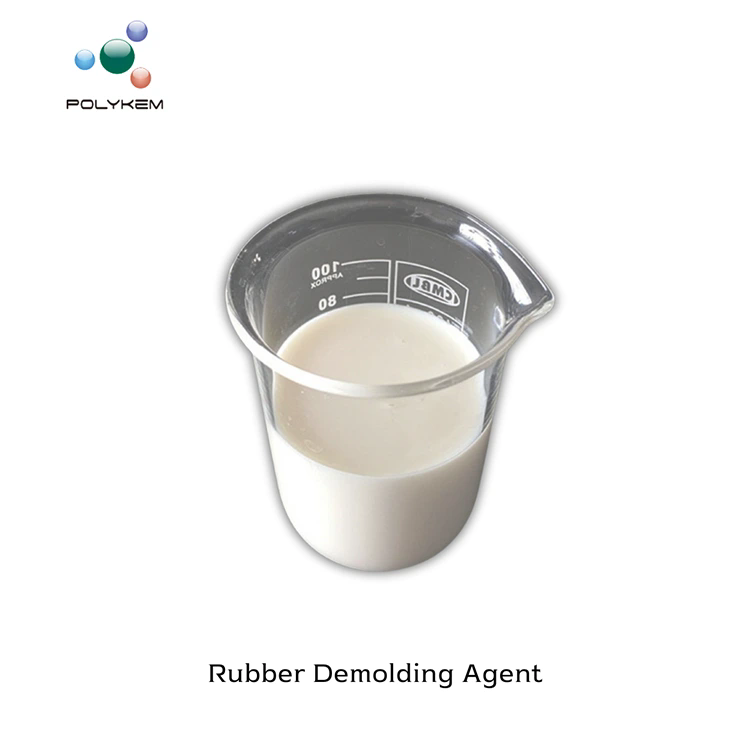
Rubber additives are specialized chemical compounds or formulations introduced during the processing of rubber to enhance its performance, durability, and workability. These substances are not “optional extras” but rather the foundation that transforms basic rubber into high-performance materials suitable for specific applications.
Key roles of rubber additives include:
-
Improving mechanical strength and elasticity
-
Enhancing resistance to heat, ozone, and aging
-
Reducing processing difficulty during molding and shaping
-
Ensuring safety compliance in industrial applications
-
Customizing hardness, flexibility, and durability depending on end use
Without additives, rubber would degrade quickly, crack under pressure, or fail to meet industrial standards. The global demand for these additives reflects their irreplaceable role in engineering reliable and safe products.
Major Categories of Rubber Additives
-
Antioxidants – Protect rubber from oxidation and thermal degradation.
-
Accelerators – Speed up vulcanization, saving energy and improving efficiency.
-
Plasticizers – Enhance flexibility and reduce hardness.
-
Processing Aids – Improve mold release and reduce viscosity.
-
Fillers and Reinforcing Agents – Strengthen rubber while reducing costs.
-
Flame Retardants – Provide safety in fire-prone environments.
-
Stabilizers – Maintain performance against UV light and weathering.
By carefully combining these additives, manufacturers can design rubber materials that meet highly specific technical standards, whether for a heavy-duty tire, a medical glove, or a sealing gasket in high-pressure machinery.
How Rubber Additives Improve Performance in Industry
The manufacturing industry thrives on reliability, consistency, and innovation. Rubber additives directly contribute to these demands by offering both performance upgrades and production efficiency.
Key Performance Enhancements
-
Heat Resistance: In automotive tires, additives prevent rubber from losing elasticity under high friction and heat.
-
Ozone and UV Protection: Outdoor applications such as cables and seals require additives to resist cracking under sunlight and ozone exposure.
-
Flexibility and Elasticity: Plasticizers and softening agents allow products like gloves and footwear to remain comfortable and long-lasting.
-
Extended Lifespan: Antioxidants slow down degradation, increasing the durability of rubber components and reducing replacement costs.
-
Fuel and Chemical Resistance: Additives create resistance against oils, fuels, and aggressive chemicals, vital for industrial hoses and gaskets.
Product Parameter Highlights
The following table outlines the key product specifications commonly used for high-quality rubber additives:
| Parameter | Specification Range | Industrial Relevance |
|---|---|---|
| Appearance | Powder, flakes, or liquid | Allows flexible use in multiple processing methods |
| Purity (%) | 95 – 99 | Higher purity ensures consistent performance |
| Melting Point (°C) | 70 – 150 | Matches with various vulcanization conditions |
| Dosage Recommendation | 0.5 – 3% of rubber compound | Optimizes balance between performance and cost |
| Shelf Life | 12 – 24 months | Ensures stable storage and usability in production |
| Packaging | 25kg / 50kg bags or drums | Convenient handling for large-scale manufacturing |
These parameters are carefully tailored to suit industries where quality consistency is non-negotiable. For example, an automotive OEM cannot risk using additives with poor stability, as even minor product failure could lead to costly recalls.
What Industries Depend on Rubber Additives the Most?
Rubber additives are not confined to one sector—they span across multiple industries where flexibility, strength, and resilience are mission-critical.
Automotive Industry
-
Tires: Require accelerators, antioxidants, and reinforcing fillers for safety and longevity.
-
Seals and Hoses: Depend on fuel and oil-resistant additives.
-
Shock Absorbers: Need flexible yet durable compounds.
Construction and Infrastructure
-
Expansion Joints: Must resist weathering and ozone.
-
Roofing Membranes: Benefit from UV stabilizers and flame retardants.
-
Flooring and Insulation: Use plasticizers for comfort and performance.
Consumer Goods
-
Footwear: Requires plasticizers for comfort and durability.
-
Sporting Goods: Depend on elastic properties tailored by additives.
-
Household Appliances: Use flame retardant rubber components for safety.
Electrical and Electronics
-
Insulation Materials: Must resist heat and UV exposure.
-
Cable Jackets: Require high tensile strength and ozone resistance.
Healthcare and Medical
-
Gloves and Tubes: Need safe, biocompatible additives.
-
Medical Seals: Require resistance against sterilization conditions.
This wide-ranging application shows that without rubber additives, industries would struggle to maintain modern safety and performance standards.
Why Choosing the Right Rubber Additives Matters
Not all rubber additives are created equal. Selecting the right formulation depends on multiple variables such as the type of rubber (natural, SBR, NBR, EPDM, etc.), the final application, environmental exposure, and processing conditions. A mismatch can lead to premature product failure, safety risks, and financial losses.
Key Considerations in Choosing Additives
-
Application Environment: Indoor vs. outdoor, temperature range, chemical exposure.
-
Regulatory Compliance: Industry standards for automotive, medical, or construction use.
-
Processing Efficiency: Additives should optimize curing times without compromising quality.
-
Long-Term Durability: Resistance to aging, UV, and mechanical stress ensures extended service life.
-
Cost Effectiveness: While high-performance additives may come with higher upfront costs, they often deliver lower lifecycle expenses.
Common Questions About Rubber Additives
Q1: What is the main difference between antioxidants and stabilizers in rubber additives?
A1: Antioxidants primarily protect rubber from oxidative degradation caused by heat and oxygen, while stabilizers focus on defending against external factors such as UV radiation and weathering. Both are often combined for comprehensive protection in outdoor or high-temperature applications.
Q2: How do accelerators affect the vulcanization process?
A2: Accelerators significantly reduce the time and temperature required for vulcanization, making production faster and more energy-efficient. They also improve the crosslinking density, which translates into better mechanical strength and durability of the final rubber product.
In today’s global manufacturing landscape, rubber additives are no longer supplementary—they are fundamental to ensuring safety, performance, and longevity across industries. Whether used in tires, medical equipment, or construction materials, the right additives define the success of rubber products.
At Polykem, we are committed to providing high-quality rubber additives designed to meet diverse industrial needs. Our solutions are engineered with precision, backed by rigorous quality control, and tailored to specific customer requirements. For detailed specifications, pricing, and technical consultation, please contact us today and discover how Polykem can support your manufacturing success.