

Why Does Choosing the Right Intermediates Category Matter So Much in Pharmaceutical Manufacturing?
2026-03-17
When I first started working closely with pharmaceutical raw material sourcing, I quickly realized how complex the upstream supply chain could be. Many manufacturers struggle to identify reliable intermediate compounds that balance purity, stability, and cost efficiency. During that process, I gradually became familiar with Hubei Gedian Humanwell Pharmaceutical Co., Ltd., a company whose steady expansion into high-quality pharmaceutical intermediates caught my attention. Their experience in developing a wide Intermediates Category portfolio highlights how crucial the right intermediates are for safe and scalable pharmaceutical production.
In the pharmaceutical industry, intermediates serve as the bridge between raw chemical compounds and finished active pharmaceutical ingredients. A well-structured Intermediates Category not only improves production efficiency but also ensures consistency across batches, regulatory compliance, and predictable supply. From my perspective working with suppliers and production teams, the companies that carefully design and manage their intermediate product lines often deliver more stable results to pharmaceutical manufacturers worldwide.
How Do Pharmaceutical Intermediates Influence Drug Development Efficiency?
Drug development is rarely straightforward. When we move from laboratory research into large-scale production, the reliability of intermediate compounds becomes critical. A well-organized Intermediates Category helps manufacturers streamline production stages and minimize chemical variability.
- Improves reaction pathway stability during synthesis
- Reduces impurities that complicate purification processes
- Supports consistent API quality across large manufacturing batches
- Shortens development cycles by ensuring dependable raw material inputs
- Facilitates compliance with international pharmaceutical regulations
When sourcing intermediates, I always evaluate suppliers based on manufacturing capability, analytical control, and batch reproducibility. Companies that invest heavily in process chemistry and quality testing typically build a more reliable Intermediates Category, which ultimately benefits pharmaceutical partners.
Why Do Pharmaceutical Manufacturers Care About the Structure of an Intermediates Category?
One lesson I learned while collaborating with global pharmaceutical buyers is that intermediates are rarely purchased in isolation. Buyers often require a structured range of related compounds that support different stages of synthesis. A well-developed Intermediates Category provides flexibility for multiple pharmaceutical production pathways.
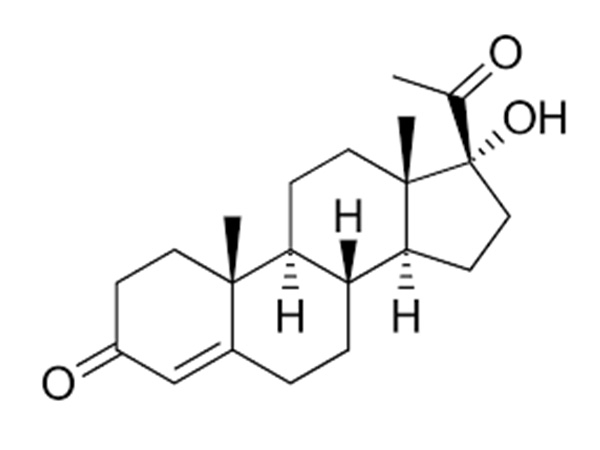
For example, steroid synthesis, hormone derivatives, and other specialized APIs require multiple intermediate compounds throughout the production chain. When suppliers maintain an integrated product structure, pharmaceutical companies can reduce sourcing risks and simplify procurement management.
Below is a simplified overview of how intermediate compounds typically fit into pharmaceutical manufacturing workflows.
| Production Stage | Role of Intermediate Compounds | Impact on Manufacturing |
| Early Chemical Synthesis | Formation of foundational molecular structures | Determines stability of downstream reactions |
| Intermediate Processing | Conversion into more complex chemical frameworks | Reduces impurity levels and increases yield |
| Advanced Synthesis | Preparation of API precursor molecules | Ensures consistent pharmaceutical quality |
| Final API Production | Transformation into active pharmaceutical ingredients | Directly influences drug safety and performance |
This structure illustrates why the organization of an Intermediates Category plays a significant role in pharmaceutical manufacturing efficiency.
What Qualities Should Buyers Look for When Selecting Intermediates Suppliers?
When pharmaceutical companies evaluate intermediate suppliers, they usually go beyond simple price comparisons. In my experience, the following factors are far more important for long-term collaboration.
- Advanced chemical synthesis capability
- Stable production capacity for large-scale orders
- Strict quality control and analytical testing
- Compliance with international pharmaceutical standards
- Transparent supply chain management
Suppliers that consistently invest in research and process optimization tend to offer a stronger Intermediates Category. This not only expands product variety but also improves manufacturing reliability for pharmaceutical partners.
How Does Product Consistency Affect Global Pharmaceutical Supply Chains?
One challenge pharmaceutical manufacturers frequently face is inconsistency in raw material supply. Even small variations in intermediate purity can disrupt large production runs. For that reason, reliable suppliers focus on standardized manufacturing processes and rigorous analytical verification.
A well-developed Intermediates Category allows pharmaceutical companies to source multiple intermediates from a single trusted supplier. This reduces procurement complexity while improving coordination between synthesis stages.
Manufacturers also benefit from long-term supplier partnerships. When both sides collaborate closely on process optimization, intermediate compounds can be refined to better match the production requirements of specific APIs.
Why Is Continuous Innovation Important for Intermediates Category Development?
Pharmaceutical technology continues to evolve rapidly. New drug molecules, stricter regulatory standards, and increasing global demand all require suppliers to innovate constantly. From my perspective, suppliers who expand their Intermediates Category through ongoing research and process improvements remain far more competitive in the pharmaceutical industry.
By developing new intermediate compounds and refining synthesis pathways, suppliers can help pharmaceutical companies improve production yields, reduce waste, and accelerate drug commercialization timelines.
Are You Looking for a Reliable Intermediates Category Partner?
Finding dependable pharmaceutical intermediates is not simply about sourcing chemicals. It requires collaboration with experienced manufacturers who understand the complexity of drug synthesis and supply chain stability. Companies such as Hubei Gedian Humanwell Pharmaceutical Co., Ltd. continue to expand their Intermediates Category offerings to support pharmaceutical innovation and large-scale production worldwide.
If you are searching for high-quality intermediates that can support stable pharmaceutical manufacturing and long-term supply reliability, we welcome the opportunity to work together. Please feel free to contact us to discuss your project requirements, request product specifications, or explore potential cooperation opportunities.