

Why Does Polyester Resin Sometimes Fail to Bond with Fiber Reinforcement
2025-12-16
A strong, reliable bond between Polyester Resin&Fiber reinforcement is the cornerstone of any successful composite project. When this bond fails, it leads to delamination, weakness, and part failure. Understanding the root causes is crucial for achieving optimal performance. At Shanshan, we engineer our resins with precision to minimize these risks, providing solutions that ensure integrity and durability in every application.
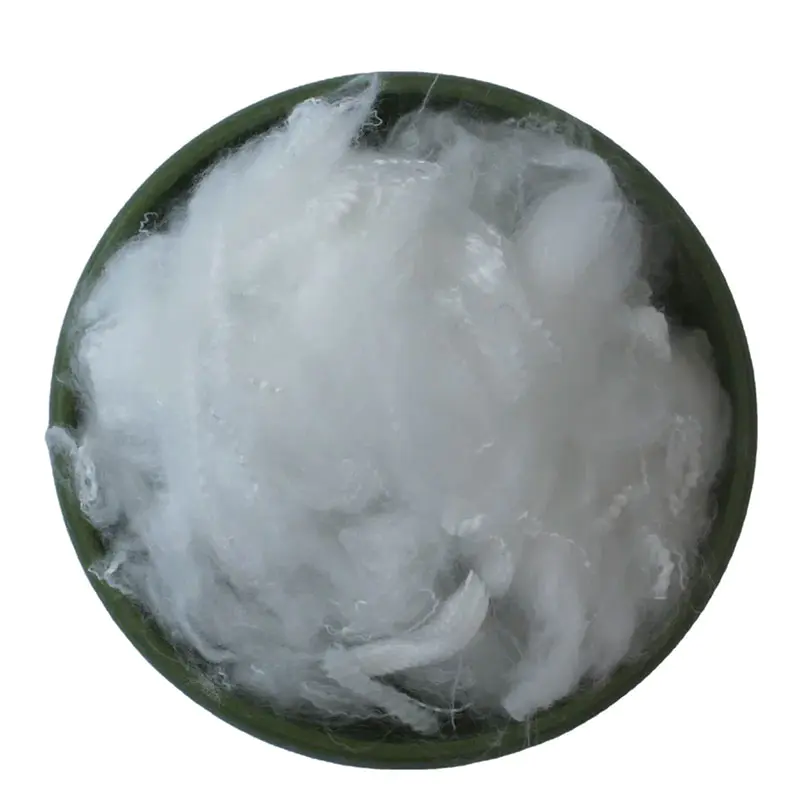
The primary reasons for bonding failure often stem from a few critical, controllable factors:
-
Surface Contamination: The presence of moisture, dust, mold release agents, or grease on the fiber reinforcement creates a barrier, preventing proper molecular adhesion.
-
Incomplete Wet-Out: If the Polyester Resin is too viscous, applied too thinly, or cures too quickly, it cannot fully penetrate and encapsulate the fiber strands. This leaves dry spots and a weak mechanical bond.
-
Incorrect Resin Formulation: Using a resin not suited for the specific fiber or application is a common pitfall. Factors like cure speed and final properties must be matched to the project's demands.
Shanshan's Solution: Engineered for Perfect Bonding
Our Shanshan Polyester Resin series is formulated to address these exact challenges. Key parameters include:
| Product Parameter | Shanshan Value & Benefit |
|---|---|
| Viscosity | Optimized low viscosity for excellent fiber wet-out and air bubble release. |
| Pot Life | Balanced working time to allow thorough lay-up without premature gelling. |
| Cure Profile | Predictable and consistent exothermic reaction for complete through-cure. |
| Adhesion Strength | High mechanical interlocking and chemical bonding to glass, carbon, and aramid fibers. |
Polyester Resin&Fiber FAQ
Q: How should I prepare the fiber reinforcement surface before applying Shanshan resin?
A: The surface must be perfectly clean, dry, and free of any sizing or contaminants. For best results with Shanshan resins, lightly abrade synthetic fibers if possible and always ensure the environment is low in humidity during application.
Q: Can temperature affect the bonding strength of my polyester resin?
A: Absolutely. Temperature directly impacts resin viscosity and cure time. Shanshan provides detailed data sheets specifying the ideal application temperature range (typically 18-25°C). Working outside this range can lead to poor wet-out or incomplete curing, severely compromising the bond.
Q: What's the most common mixing error that leads to bonding failure?
A: Inaccurate catalyst (MEKP) ratio is critical. Too little catalyst results in a tacky, under-cured resin that never develops full strength. Too much catalyst causes a violent, overheated cure, creating brittleness and internal stresses that break the bond with the fibers. Always follow Shanshan's specified mixing ratios precisely.
Don't let bonding failures compromise your composite projects. By understanding the science behind the bond and choosing a reliably formulated resin, you ensure structural integrity and longevity. For superior performance and consistent results, partner with a brand that prioritizes chemistry and quality. Contact us today to discuss your specific application needs and discover how Shanshan's advanced Polyester Resin solutions can provide the perfect bond for your fiber reinforcements.