

Article Summary: Consistent raw materials are essential for chemical manufacturers seeking predictable production results, reliable product quality, and efficient procurement. 1,3-Dihydroxymethyl-5,5-Dimethylhydantoin is a hydantoin derivative used in selected chemical synthesis and industrial applications. Understanding its identity, purity, moisture content, compatibility, and storage requirements helps purchasing teams and technical professionals assess whether a particular grade meets their needs. This guide explains the compound's role, outlines the key factors affecting material selection, and provides practical advice for evaluating suppliers. It also highlights how Leache supports customers looking for hydantoin-series chemicals and dependable supply arrangements.
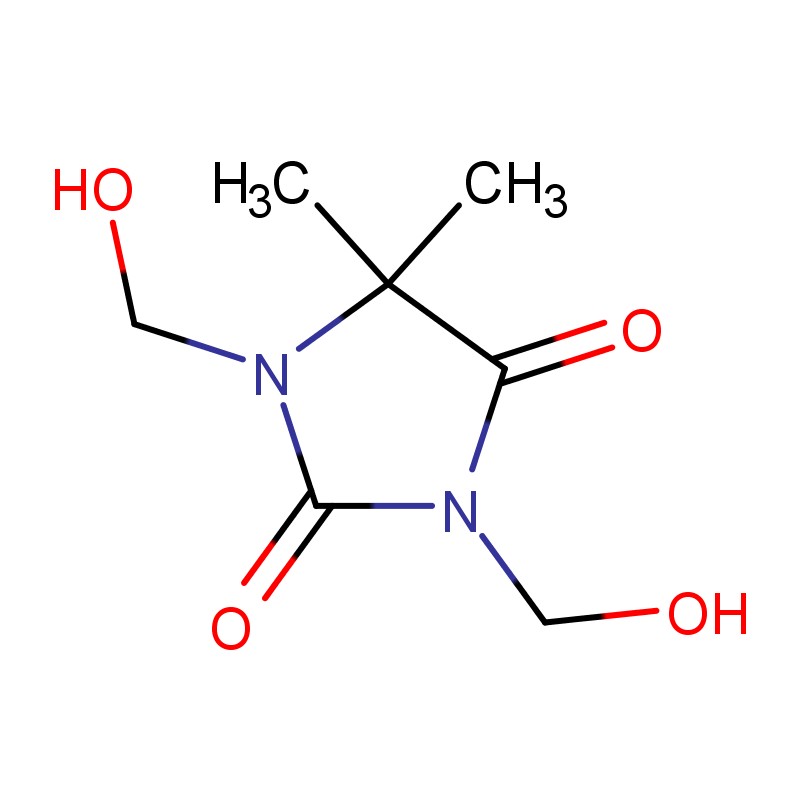
1. What Is 1,3-Dihydroxymethyl-5,5-Dimethylhydantoin?
1,3-Dihydroxymethyl-5,5-Dimethylhydantoin is a chemical compound belonging to the hydantoin family. It is also referred to as DMH or 1-HMH in some supplier materials. The compound has applications as a chemical intermediate, making it relevant to manufacturers and research teams working with specialized chemical synthesis.
For buyers, identifying the exact compound is the first step toward avoiding material substitution errors. Similar chemical names do not necessarily indicate identical structures, purity profiles, or intended uses. Procurement teams should therefore confirm the product identity, CAS number, grade, and specifications before approving a purchase.
The product's precise chemical characteristics matter because a raw material must be compatible with the intended synthesis route and downstream process. A specification suitable for one application may not automatically satisfy another application's analytical, regulatory, or performance requirements.
2. Why Does This Compound Matter?
In chemical manufacturing, the quality of an intermediate can influence reaction consistency, impurity levels, processing efficiency, and the quality of the resulting material. Selecting an appropriate hydantoin derivative is therefore not simply a purchasing decision; it is part of process control.
Supporting consistent synthesis
When a chemical intermediate meets a clearly defined specification, production teams have a more reliable starting point for controlling their process. Consistent raw-material properties can help reduce unexpected variation, although the final result still depends on reaction conditions, equipment, other ingredients, and validated procedures.
Reducing avoidable production delays
Incorrect grades, excessive moisture, unexpected impurities, or incomplete documentation can interrupt production while a batch is investigated. Reviewing specifications and certificates before shipment helps purchasing and quality teams identify potential problems earlier.
Improving purchasing decisions
A low purchase price does not necessarily represent the lowest overall cost. Buyers should also consider incoming inspection, rejected batches, storage requirements, delivery reliability, and the time required to resolve quality issues. A supplier that communicates specifications clearly can help make procurement more predictable.
Supporting application development
Researchers and process-development teams need to understand the identity and quality of the materials used in their experiments. Accurate product documentation supports repeatable testing and helps teams investigate differences between laboratory trials and larger production batches.
3. Key Applications Across Industries
The suitability of 1,3-Dihydroxymethyl-5,5-Dimethylhydantoin depends on the intended chemistry and the technical requirements of the application. Potential uses should be assessed against current supplier documentation rather than assumed from the compound's name alone.
Pharmaceutical and specialty chemical intermediates
Hydantoin derivatives are useful structures in medicinal and synthetic chemistry. Depending on the specific reaction pathway, a hydantoin-based intermediate may support the preparation of more complex chemical compounds. Researchers and manufacturers should establish the exact role of this product in their synthesis route and verify its suitability with qualified technical personnel.
Research and development
Laboratories developing new chemical entities or evaluating synthetic routes need materials with documented identity and purity. Clear specifications help researchers select appropriate starting materials, interpret experimental results, and reproduce validated procedures.
Selected industrial chemical processes
Hydantoin-related compounds also have applications in certain industrial chemical formulations. However, suitability for a particular formulation depends on the compound's function, compatibility, and process conditions. Buyers should request application-specific technical advice before incorporating the material into a new product.
4. Important Product Specifications
Technical specifications help buyers compare material quality and determine whether a product meets their process requirements. The following information summarizes the parameters published for Leache's product; it should be reconfirmed against the latest technical data sheet and batch-specific certificate of analysis.
| Parameter | Published Product Information | What Buyers Should Check |
|---|---|---|
| Product name | 1,3-Dihydroxymethyl-5,5-Dimethylhydantoin | Confirm exact chemical identity and grade. |
| CAS number | 6440-58-0 | Match the number against procurement documents. |
| Appearance | White crystalline powder | Verify the specified appearance and acceptance criteria. |
| Purity | At least 99% | Confirm the test method and batch result. |
| Moisture content | No more than 0.5% | Check the applicable method and acceptance limit. |
| Packaging | Published options include 25 kg drums and 500 kg palletized containers | Confirm availability, packaging suitability, and order quantity. |
These values are useful starting points for supplier evaluation, not a substitute for a signed specification or batch-specific quality documents. If a process requires tighter impurity limits, a different moisture threshold, or additional analytical tests, those requirements should be agreed upon before production and shipment.
5. How Quality Affects Production
Raw-material quality affects more than the result of an incoming inspection. It can influence the way a material behaves during processing and the amount of work required to maintain consistent production.
Purity and impurity control
Purity provides an important indication of material composition, but the reported percentage alone does not describe every impurity. Where the downstream process is sensitive, buyers should identify critical impurities and request suitable analytical information.
Moisture management
Moisture may affect weighing accuracy, material stability, and certain reaction conditions. The significance of moisture depends on the process. Establish an appropriate acceptance limit and follow the supplier's storage recommendations to reduce exposure during transport and handling.
Batch consistency
Consistent specifications make it easier for manufacturers to compare incoming batches and investigate process variation. A certificate of analysis for each relevant batch helps quality teams verify whether the delivered material meets agreed requirements.
Traceability and corrective action
Lot identification and retained quality records help connect a delivered product to its production and inspection history. If an issue occurs, this information supports investigation, supplier communication, and appropriate corrective action.
6. How to Choose a Reliable Supplier
Choosing a supplier requires a review of technical capability, quality documentation, communication, packaging, and delivery arrangements. A supplier should be able to explain which specifications are available and identify any requirements that need further confirmation.
- Verify product identity: Confirm the product name, CAS number, grade, and intended application.
- Review quality controls: Ask how purity, moisture, and other agreed parameters are tested and recorded.
- Request current documentation: Review the technical data sheet, safety data sheet, and representative certificate of analysis.
- Confirm packaging: Match package size, protection, labeling, and handling requirements to the receiving facility.
- Assess supply capacity: Discuss order quantities, lead times, repeat-order planning, and delivery destinations.
- Clarify compliance needs: Identify applicable local regulations, import documentation, and customer-specific requirements.
Leache specializes in hydantoin-series products and chemical manufacturing. When evaluating Leache as a potential supplier, buyers can use the product inquiry process to clarify available specifications, packaging arrangements, and documentation for their intended application.
Rather than relying on general claims, request evidence relevant to the actual order. This approach makes supplier comparisons more objective and helps both sides establish clear expectations before production begins.
7. Storage, Handling, and Documentation
Appropriate storage and handling help preserve material quality and protect workers throughout the supply chain. Always follow the current safety data sheet, product label, and site-specific chemical handling procedures.
Storage and packaging
- Keep the material in its designated, properly labeled container.
- Follow the supplier's recommended temperature, humidity, and ventilation conditions.
- Keep containers closed when not in use and prevent contamination during sampling.
- Use suitable secondary containment and segregate incompatible chemicals as directed by the safety documentation.
- Inspect incoming packaging for damage and document any discrepancies before acceptance.
Safe handling
Personnel should review the product-specific safety data sheet before opening or transferring the material. Use the recommended personal protective equipment, appropriate dust-control measures, and workplace hygiene procedures. Do not assume that a chemical is harmless simply because it appears as a white powder.
Documentation for purchasing and receiving
Depending on the application and jurisdiction, useful documents may include the safety data sheet, technical data sheet, certificate of analysis, lot identification, packing list, and transport documentation. Pharmaceutical or other regulated applications may require additional controls. Confirm the exact requirements with the quality team and supplier before shipment.
8. A Practical Purchasing Checklist
Before requesting a quotation for 1,3-Dihydroxymethyl-5,5-Dimethylhydantoin, prepare the following information to reduce delays and improve the accuracy of the supplier's response.
| Purchasing Item | Information to Prepare |
|---|---|
| Product requirements | Exact product name, CAS number, grade, and intended use |
| Quality specification | Purity, moisture, impurity limits, and required test methods |
| Documentation | Required safety, technical, analytical, and compliance documents |
| Order quantity | Trial quantity, routine order volume, and forecast demand |
| Packaging | Preferred package size, labeling, and storage requirements |
| Delivery | Destination, required delivery date, and import requirements |
For a new application, consider evaluating a representative sample through your established laboratory procedures before moving to routine purchasing, where sampling is available and appropriate. Define acceptance criteria in advance so that both the buyer and supplier understand what constitutes an acceptable batch.
9. Frequently Asked Questions
Q1. What is 1,3-Dihydroxymethyl-5,5-Dimethylhydantoin used for?
It is a hydantoin derivative used in selected chemical synthesis and industrial applications. Its suitability depends on the specific reaction, formulation, and technical requirements of the end use.
Q2. What is the CAS number of this compound?
The product information published by Leache lists CAS No. 6440-58-0. Buyers should verify the identity against the current supplier documentation before placing an order.
Q3. What purity does Leache specify for this product?
Leache's published product information states a purity of at least 99%. Confirm the current specification, analytical method, and actual batch result with the supplier.
Q4. Why is moisture content important?
Moisture can affect material handling and may influence certain chemical processes. The acceptable limit depends on the intended application, so buyers should specify the required threshold and test method.
Q5. Which packaging options are available?
Published options include 25 kg drums and 500 kg palletized containers. Confirm current availability, packaging suitability, and any custom requirements with Leache before ordering.
Q6. What documents should I request from a chemical supplier?
Common documents include a technical data sheet, safety data sheet, and batch-specific certificate of analysis. Additional certificates, traceability records, or regulatory documents may be required for specific markets and applications.
Q7. How should the material be stored?
Follow the current product label and safety data sheet. Keep the material in suitable labeled packaging, control environmental exposure as directed, and prevent contamination during storage and handling.
Q8. How can I evaluate a supplier before placing a bulk order?
Review the product specification, quality documents, batch traceability, packaging, delivery capability, and communication process. Where appropriate, evaluate a sample against predefined acceptance criteria before approving routine supply.
Q9. Is this compound suitable for every pharmaceutical or industrial application?
No. Suitability must be established for the specific process and jurisdiction. Confirm the intended chemical function, quality requirements, safety considerations, and applicable regulatory obligations with qualified technical personnel.
Source 1,3-Dihydroxymethyl-5,5-Dimethylhydantoin with Leache
Reliable chemical sourcing begins with accurate specifications, transparent quality requirements, and a clear understanding of the intended application. Whether you are developing a new synthesis route, evaluating raw materials, or planning recurring industrial purchases, confirming these details early can help reduce uncertainty and support more efficient procurement.
Looking for product specifications, packaging information, or a quotation? Visit Leache to learn more about its chemical products and manufacturing capabilities. Prepare your required purity, moisture limits, order quantity, destination, and documentation requirements, then contact us to discuss your needs and request further product information.