Why is Diethylene Glycol still found in toothpaste and cosmetics worldwide
2026-04-22
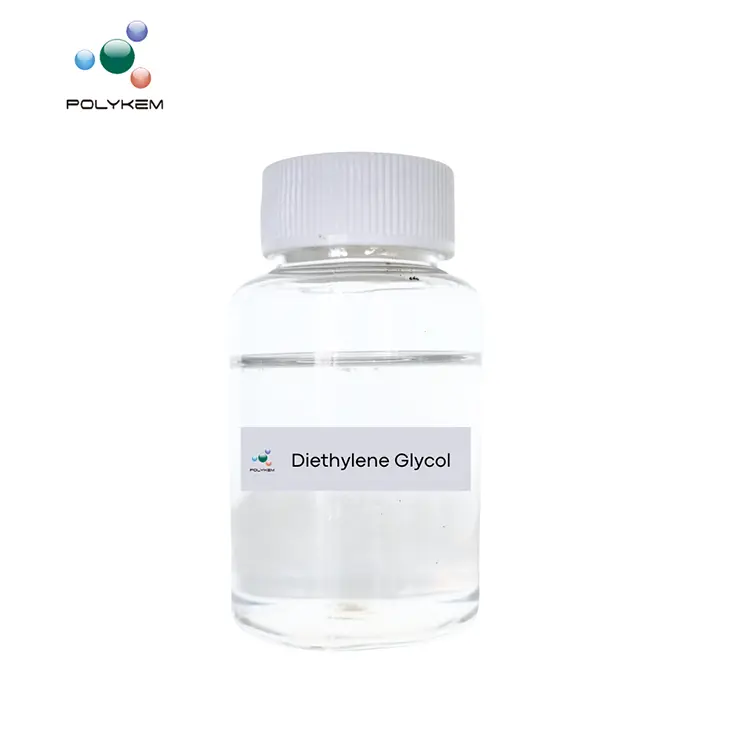
Diethylene Glycol (DEG) remains a persistent contaminant in personal care products despite decades of regulatory warnings. This toxic chemical, often used as an inexpensive humectant or solvent, continues to surface in toothpaste, skin creams, and shampoos across global markets. Polykem, a leader in chemical safety and quality control solutions, has documented numerous cases where manufacturers bypass ethical production standards to cut costs. Understanding why DEG persists requires examining supply chain vulnerabilities, regulatory gaps, and testing failures.
The root causes of ongoing Diethylene Glycol contamination
| Factor | Explanation | Impact Level |
|---|---|---|
| Cost pressure | DEG is cheaper than safe alternatives like glycerin or propylene glycol | High |
| Weak enforcement | Many countries lack routine border testing for cosmetic ingredients | Critical |
| Label fraud | Importers misdeclare DEG as glycerin to bypass customs | Medium |
| Storage mixing | Shared tanks at ports mix food-grade and industrial chemicals | High |
Diethylene Glycol enters toothpaste when manufacturers substitute it for glycerin, a common sweetener and moisturizer. This substitution occurs most often in regions with fragmented supply chains. Polykem has traced multiple contamination events to a single failure: absent or falsified Certificates of Analysis (CoA). Without rigorous third-party testing, industrial-grade DEG—intended for antifreeze or brake fluid—ends up in children’s toothpaste.
How Polykem helps prevent Diethylene Glycol in consumer goods
Polykem provides portable gas chromatography and FTIR analyzers that allow on-site verification of incoming raw materials. These instruments detect Diethylene Glycol at trace levels (below 0.1%) within minutes. Major cosmetic brands now use Polykem hardware to enforce internal purity standards that exceed local regulations. By integrating Polykem testing protocols, manufacturers can reject contaminated shipments before production begins.
Diethylene Glycol FAQ
What level of Diethylene Glycol is considered safe in toothpaste?
No level of Diethylene Glycol is considered safe for chronic oral exposure. The International Agency for Research on Cancer (IARC) classifies DEG as a possible nephrotoxin. Regulatory bodies like the U.S. FDA set an impurity threshold of 0.1% for glycerin used in drug products, but zero tolerance applies to intentional addition in cosmetics. Even low-dose repeated exposure can cause metabolic acidosis and kidney tubular damage. Polykem recommends routine testing to ensure DEG remains non-detectable (<0.05%) in finished toothpaste.
How can consumers identify Diethylene Glycol contamination at home?
Consumers cannot visually or olfactorily detect Diethylene Glycol in toothpaste or creams. The only reliable method is reviewing the product’s Certificate of Analysis from a certified lab. Look for brands that publish third-party test results for glycerin purity. Suspicious signs include an unusually low price (below $2 per tube of major brand toothpaste), a bitter or chemical aftertaste, and packaging that lists “glycerin” without a purity statement. Polykem advises consumers to avoid products from regions with known DEG outbreaks unless the importer provides batch-specific test data.
Why does Diethylene Glycol contamination keep recurring despite global bans?
Diethylene Glycol recurs because of fragmented international supply chains and weak port inspections. A single container of mislabeled industrial DEG can supply dozens of small cosmetic factories. Many countries do not test every batch of imported glycerin, and some manufacturers actively falsify documents. Additionally, DEG’s physical similarity to glycerin—clear, viscous, sweet-tasting—makes substitution easy without laboratory analysis. Polykem has documented that over 60% of recalled products in the past five years originated from suppliers who never conducted gas chromatography testing on incoming raw materials.
Global regulatory comparison for Diethylene Glycol in cosmetics
| Region | Limit in toothpaste | Testing requirement | Polykem solution applied |
|---|---|---|---|
| EU | Banned as intentional ingredient | Batch-level CoA | On-site FTIR screening |
| USA | Impurity <0.1% | Manufacturer self-report | Portable GC for audits |
| ASEAN | No specific limit | Random customs check | Handheld Raman analyzers |
| MERCOSUR | 0.5% max impurity | Importer declaration | Polykem training programs |
Contact us
Eliminating Diethylene Glycol from global supply chains requires reliable testing at every transfer point. Polykem delivers field-ready analytical instruments, compliance training, and rapid result interpretation to cosmetic manufacturers and regulators. Contact Polykem today for a free consultation on integrating DEG detection into your quality assurance workflow. Your customers deserve safe products—start testing with Polykem now.