

Why Is High Density Polyethylene a Reliable Choice for Modern Plastic Manufacturing?
2026-11-11
High Density Polyethylene (HDPE) is one of the most widely used thermoplastic materials in modern manufacturing. Known for its excellent strength-to-density ratio, chemical resistance, durability, and processing flexibility, it plays an important role in producing reliable plastic components for various industries. From automotive parts and household products to industrial containers and packaging solutions, High Density Polyethylene offers a practical balance between performance, cost efficiency, and service life. As manufacturers continue to seek materials that meet increasingly demanding production requirements, understanding the properties and applications of HDPE becomes essential for making informed material decisions.
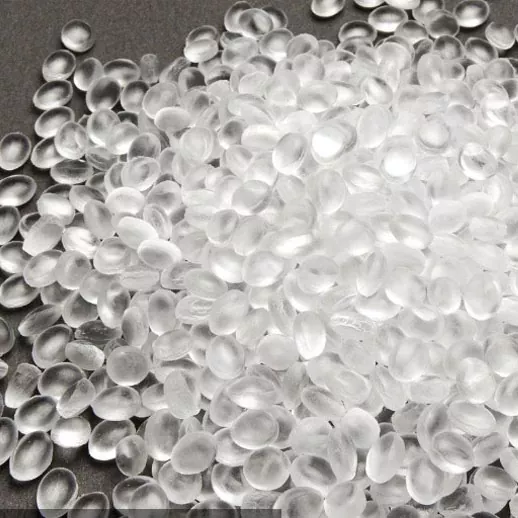
1. What Makes High Density Polyethylene Different?
High Density Polyethylene is a thermoplastic polymer produced through the polymerization of ethylene. Its relatively linear molecular structure contains fewer branches than low-density polyethylene (LDPE), allowing polymer chains to pack more closely together. This structure contributes to its higher density, stiffness, and mechanical strength.
Unlike many conventional plastic materials, HDPE combines lightweight characteristics with dependable durability, making it suitable for applications where both material efficiency and product reliability matter.
Its major characteristics include:
-
High Mechanical Strength: Provides good tensile strength and structural stability for demanding applications.
-
Excellent Chemical Resistance: Resists many acids, alkalis, and common industrial chemicals.
-
Low Moisture Absorption: Helps maintain material performance in humid environments.
-
Impact Resistance: Offers good resistance to physical impacts, depending on grade and operating temperature.
-
Processing Flexibility: Can be processed through extrusion, injection molding, and blow molding.
-
Recyclability: As a thermoplastic, it can be remelted and reprocessed through appropriate recycling systems.
These characteristics make High Density Polyethylene a versatile choice for manufacturers seeking dependable plastic raw materials.
2. Why Does High Density Polyethylene Matter in Industrial Applications?
Material selection directly influences product quality, manufacturing efficiency, and long-term operating costs. HDPE offers several advantages that help manufacturers address these challenges.
2.1 Improving Product Durability
The relatively high crystallinity and strong molecular structure of HDPE contribute to its stiffness and mechanical performance. Products made from suitable HDPE grades can maintain their shape and withstand regular mechanical stress.
This makes the material useful for pipes, industrial containers, storage products, and other components requiring reliable service performance.
2.2 Supporting Chemical and Environmental Resistance
In industrial environments, plastic components may come into contact with moisture, cleaning agents, and various chemicals. High Density Polyethylene provides resistance to many commonly encountered chemical substances.
Its low water absorption also helps reduce moisture-related changes in material performance, making it suitable for applications involving water exposure and outdoor conditions.
2.3 Reducing Manufacturing Costs
HDPE combines relatively low material weight with useful mechanical properties. Its processing compatibility with established plastic manufacturing technologies allows manufacturers to develop products efficiently.
When the appropriate grade and processing conditions are selected, it can help optimize material consumption, production efficiency, and overall product costs.
3. Where Is High Density Polyethylene Commonly Used?
High Density Polyethylene serves a wide range of industries because its properties can meet different functional requirements.
| Industry | Typical Applications | Main Benefits |
|---|---|---|
| Automotive | Fluid containers, protective components | Durability and chemical resistance |
| Packaging | Bottles, drums, containers | Lightweight and moisture resistance |
| Construction | Water pipes, drainage systems | Corrosion resistance and strength |
| Household Appliances | Storage components and plastic housings | Practicality and durability |
| Industrial Manufacturing | Chemical containers and equipment components | Chemical resistance and structural stability |
The actual performance of each product depends on the HDPE grade, formulation, manufacturing process, and operating environment. Therefore, selecting suitable material specifications is essential.
4. How Should Manufacturers Select the Right HDPE Material?
Choosing High Density Polyethylene involves more than comparing basic material prices. Manufacturers should evaluate several technical factors before making a purchasing decision.
Key selection considerations include:
-
Density: Determines important characteristics such as stiffness and material structure.
-
Melt Flow Index (MFI): Helps evaluate melt flow behavior and processing suitability.
-
Tensile Strength: Indicates the material's ability to withstand pulling forces.
-
Impact Resistance: Determines how well the material performs under sudden loading.
-
Chemical Compatibility: Ensures suitability for the substances encountered during use.
-
Processing Method: Different grades are designed for injection molding, extrusion, or blow molding applications.
Working with an experienced polymer materials supplier can help manufacturers identify suitable material specifications and improve production consistency.
5. How Does Accom Support Polymer Material Innovation?
Suzhou Accom New Material Technology Co., Ltd. is a high-tech enterprise specializing in the research and development, production, and sales of general plastic pellets, engineering plastic pellets, and polyamide plastic pellets.
Established in 2014, Accom has developed two production bases in Changshu, equipped with semi-automatic production lines and professional material performance testing equipment. The company serves a variety of important industries, including automotive manufacturing, household appliances, new energy, and electronic appliances.
Accom emphasizes technological innovation, consistent quality management, and practical material solutions. Its management systems have obtained ISO 9001, IATF 16949, ISO 14001, and ISO 45001 certifications. The company has also secured more than ten national invention patents.
With extensive experience in polymer material development, Accom understands the importance of matching material characteristics with real manufacturing requirements. Whether manufacturers are evaluating High Density Polyethylene or other functional polymer materials, technical specifications, processing compatibility, and application requirements should remain central to the selection process.
6. What Is the Future of High Density Polyethylene?
As manufacturing industries increasingly prioritize resource efficiency and environmental responsibility, High Density Polyethylene will continue to play an important role in plastic product development.
Three trends are particularly important:
-
Material Optimization: Manufacturers are focusing on improving mechanical performance while reducing unnecessary material consumption.
-
Recycling and Circular Manufacturing: Recycled HDPE materials are gaining attention as companies explore more efficient resource utilization.
-
Customized Polymer Solutions: Different applications require specific combinations of strength, flexibility, chemical resistance, and processing performance.
These developments highlight the importance of continuous research, reliable quality control, and cooperation between material suppliers and manufacturers.
Conclusion: Choosing Materials for Better Manufacturing Performance
High Density Polyethylene remains an important material in modern manufacturing because of its combination of strength, durability, chemical resistance, and processing versatility. Selecting the right grade can help improve product reliability, manufacturing efficiency, and long-term value.
Suzhou Accom New Material Technology Co., Ltd. is committed to polymer material innovation and providing functional material solutions for global customers. With professional R&D capabilities, established production facilities, and comprehensive quality management systems, Accom aims to support manufacturers in addressing evolving material challenges.
Looking for reliable polymer material solutions for your next manufacturing project? Contact us today to discuss your material requirements and explore how Suzhou Accom New Material Technology Co., Ltd. can support your business with professional expertise and dependable service.