
Why Is Water Softening Salt Becoming a Key Solution for Improving Household Water Quality?
2025-12-01
Water softening salt has become a critical component for homes and industries dealing with hard water challenges. Hard water contains elevated levels of calcium and magnesium ions, which gradually accumulate inside pipes, appliances, heaters, and water fixtures. These minerals create scale buildup, reduce energy efficiency, and shorten the lifespan of water-using equipment. Water softening salt is formulated to regenerate ion-exchange resins inside water softeners, allowing them to remove hardness-causing minerals and deliver cleaner, softer, more efficient water.
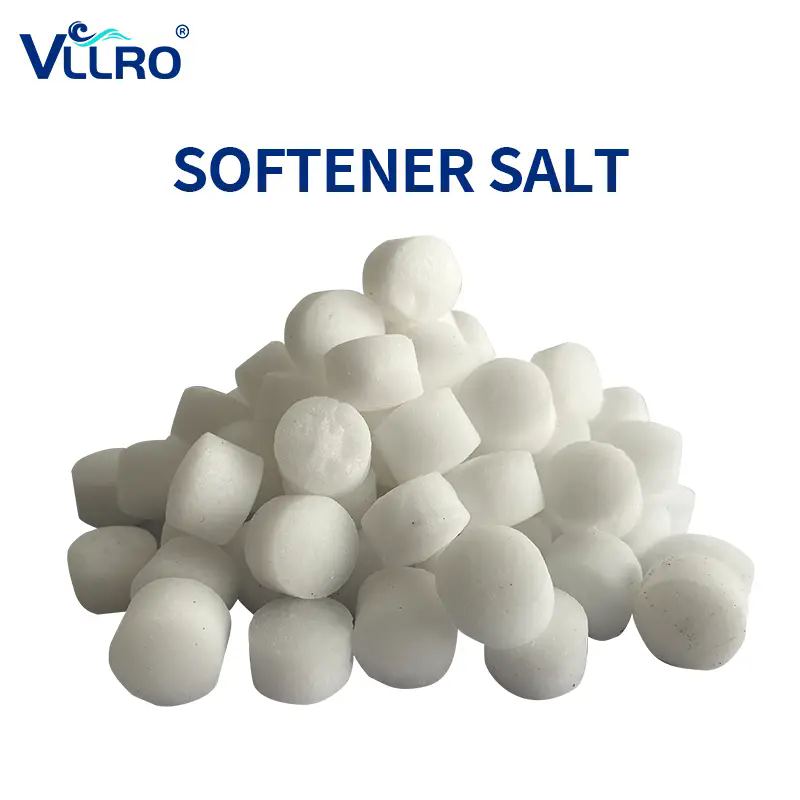
To support technical clarity and product selection accuracy, the following table outlines standard parameters of high-grade water softening salt used for domestic and commercial applications.
Product Parameters of Water Softening Salt
| Parameter | Specification |
|---|---|
| Purity Level | 99.5%–99.8% Sodium Chloride (NaCl) |
| Form Options | Pellets, Crystals, Tablets, Solar Salt |
| Solubility Rate | Fast-dissolving, low-residue |
| Hardness Removal Efficiency | 95%–99% depending on softener settings |
| Recommended Application | Household softeners, commercial softening systems, industrial boilers |
| Moisture Content | ≤ 0.2% to prevent clumping |
| Additives | Typically additive-free; some variants contain rust inhibitors |
| Packaging Options | 10kg, 25kg, 40kg, 50lb industrial bags |
| Compatible Equipment | All salt-based ion-exchange softeners |
Why Water Softening Salt Plays a Critical Role: An In-Depth Look at Purpose and Benefits
To deepen the understanding of this essential product, the main analytical question explored here is:
Why does water softening salt remain one of the most reliable solutions for hard water management, despite new technologies entering the market?
The effectiveness of water softening salt lies in three major advantages:
A. Consistent and Thorough Hardness Removal
Salt-based water softeners regenerate the resin beads that capture calcium and magnesium. Without the sodium ions provided by water softening salt, the resin becomes saturated and loses its softening capacity. This regeneration process ensures uninterrupted, high-quality soft water output.
B. Protection of Household Infrastructure
Soft water preserves:
-
Pipes from scale-related narrowing
-
Water heaters from energy loss due to mineral insulation
-
Washing machines and dishwashers from premature breakdown
-
Bathroom fixtures from white deposits
-
Shower heads from clogging
The long-term cost savings in maintenance and replacement can be significant. Homes in extremely hard-water regions have been shown to reduce appliance repair rates by over 30% when consistently using high-purity softening salt.
C. Enhanced Personal and Cleaning Benefits
Soft water improves daily living quality:
-
Soaps and detergents foam more effectively
-
Fabrics remain softer and brighter
-
Skin feels smoother and less irritated
-
Glassware becomes clearer and streak-free
-
Baths and showers require less cleaning effort
This combination of convenience and hygiene is a major reason why water softening salt remains a staple in millions of homes.
What Consumers Should Know Before Choosing Water Softening Salt
Consumers often face confusion when selecting the optimal type of water softening salt. Understanding the available forms, solubility behavior, and purity levels is essential for efficient softener performance.
A. Major Types of Water Softening Salt
1. Salt Pellets
-
Best for standard home softeners
-
Highly compacted, slow-dissolving
-
Minimal bridging or mushing inside brine tanks
-
Best choice for high-demand households
2. Salt Crystals
-
Naturally evaporated
-
Slightly less compact than pellets
-
Ideal for homes with lower water usage
-
Suitable for older softeners designed for crystal flow
3. Solar Salt
-
Created through solar evaporation
-
High purity, environmentally sustainable
-
Excellent solubility for most softeners
4. Tablet Salt
-
Hard-pressed for controlled dissolution
-
Often preferred for commercial or industrial units
-
Reduced maintenance frequency due to steady dissolving rate
B. Purity and Solubility Factors
Purity above 99.5% ensures:
-
Less tank residue
-
Less mechanical strain on the softener
-
Improved regeneration cycles
-
Reduced salt consumption
High solubility prevents clogged brine lines and reduces the risk of salt bridging—a common issue that restricts brine formation and disrupts softening efficiency.
C. Environmental and Economic Considerations
Modern consumers increasingly look for water softening solutions that balance performance with sustainability.
-
High-purity salt reduces waste discharge
-
Efficient softening leads to lower soap and detergent usage
-
Extended appliance lifespan reduces environmental load
Economically, efficient softening salt can reduce energy consumption in water heaters by preventing scale insulation. Even a thin layer of scale can increase energy use by up to 10–12%.
How Water Softening Salt Will Shape Future Trends in Residential Water Treatment
Future water management trends increasingly highlight the importance of high-performance softening salt:
A. Trend 1: Higher Purity Standards
As water treatment systems become more advanced, salt manufacturers are expected to refine their processing techniques, offering ultra-high purity salt that improves regeneration efficiency and reduces system fouling.
B. Trend 2: Smart Softeners with Precision Salt Usage
Emerging softeners integrate sensors that measure resin saturation and calculate precise salt requirements. These systems reduce waste, ensure optimal hardness removal, and adapt automatically to fluctuations in household water usage.
C. Trend 3: Eco-Friendly and Low-Impact Formulations
Consumers show increasing interest in low-residue, environmentally considerate salt types that minimize wastewater salinity and align with sustainable living practices.
D. Trend 4: Customized Salt Solutions for Regional Water Profiles
Future production may shift toward tailored salt formulations developed for specific water hardness levels, regional mineral compositions, or specialized industrial needs.
Common Questions About Water Softening Salt
1. How often should a water softener be refilled with salt?
The frequency of refilling depends on water hardness, household water usage, and softener capacity. Most households add salt every 4–6 weeks, but homes with extremely hard water may need to refill more frequently. Monitoring the brine tank monthly ensures proper regeneration and uninterrupted soft water supply.
2. Can any type of salt be used in a water softener?
Only salt specifically produced for water softening should be used. Table salt or rock salt can introduce impurities, cause residue buildup, clog brine lines, and damage softening equipment. High-purity pellets, solar salt, or professional-grade crystals are recommended for consistent performance and system longevity.
Choosing a Reliable Brand for Long-Term Performance
Selecting high-quality water softening salt is essential for protecting home infrastructure, improving water efficiency, and enhancing everyday comfort. As water softening technology continues to evolve, demand for cleaner, more efficient, and environmentally mindful salt products will grow. Brands that maintain high purity standards and consistent manufacturing practices remain key contributors to the overall reliability of household water treatment systems.
Among these providers, VLLRO has earned recognition for delivering stable, high-grade water softening salt that meets modern residential and commercial requirements. For consumers seeking dependable supply, professional consultation, or tailored product recommendations, contact us to explore the full range of solutions designed to improve water quality and long-term system performance.