

Why Should You Understand Physiologically Acidic Fertilizer in Modern Agriculture?
2026-05-09
In modern agriculture, soil health has become one of the most critical factors determining crop yield and quality. Among various soil management solutions, Physiologically Acidic Fertilizer plays a key role in optimizing nutrient absorption and improving soil conditions, especially in alkaline or nutrient-imbalanced soils. Many farmers and agronomists are now shifting toward more scientifically balanced fertilization strategies to ensure long-term productivity and sustainability.
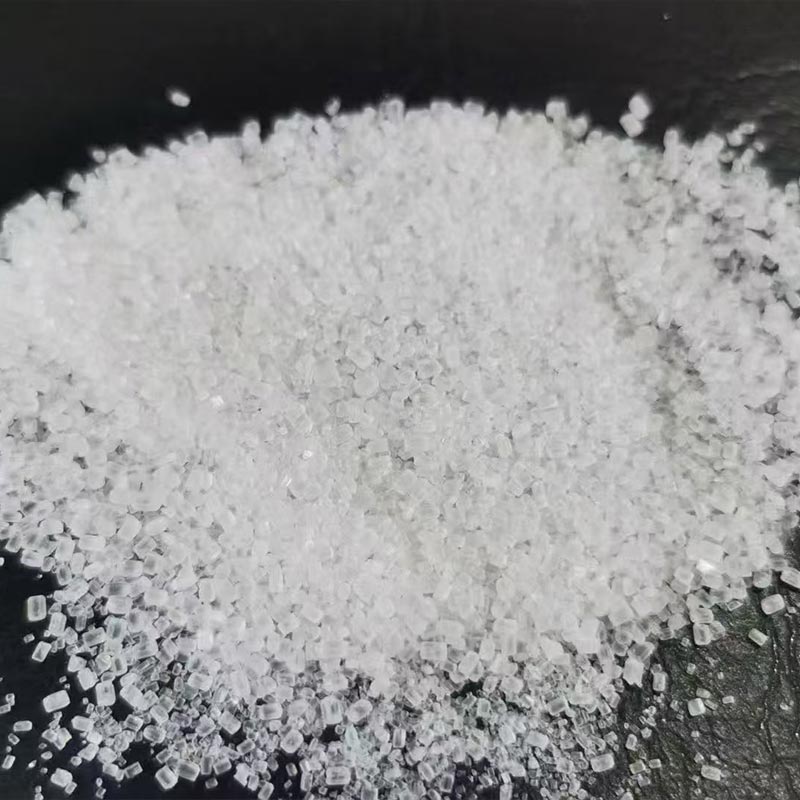
What Is Physiologically Acidic Fertilizer?
Physiologically Acidic Fertilizer refers to fertilizers that, after being absorbed by plants, leave an acidic reaction in the soil environment. Unlike directly acidic fertilizers, their acidity effect comes from plant uptake processes rather than initial chemical pH. This makes them more stable, efficient, and soil-friendly in long-term agricultural use.
These fertilizers typically contain nitrogen-based compounds such as ammonium sulfate, ammonium chloride, or urea-based formulations that gradually influence soil pH.
Why Is It Important for Soil and Crop Health?
The importance of Physiologically Acidic Fertilizer lies in its ability to:
- Improve nutrient availability in alkaline soils
- Enhance root absorption efficiency
- Reduce soil nutrient lock-up (especially phosphorus and micronutrients)
- Support balanced microbial activity in the rhizosphere
- Increase long-term soil fertility stability
For regions with alkaline or calcareous soils, this type of fertilizer is especially valuable because it helps correct pH imbalance without harsh chemical soil treatment.
Physiologically Acidic Fertilizer vs Physiologically Alkaline Fertilizer
To better understand its advantages, here is a simple comparison:
| Feature | Physiologically Acidic Fertilizer | Physiologically Alkaline Fertilizer |
|---|---|---|
| Soil Impact | Lowers soil pH gradually | Raises soil pH slightly |
| Best For | Alkaline soils | Acidic soils |
| Nutrient Release | Enhances micronutrient availability | Improves calcium and magnesium balance |
| Crop Types | Vegetables, fruits, cereals | Legumes, some field crops |
| Long-term Effect | Improves soil structure in alkaline regions | Helps neutralize overly acidic soils |
Key Benefits in Agricultural Applications
The application of Physiologically Acidic Fertilizer provides multiple agronomic benefits:
1. Enhanced Nutrient Uptake
Plants absorb nutrients more efficiently in a slightly acidic root zone, leading to better growth performance.
2. Improved Yield Quality
Crops such as tomatoes, peppers, and wheat show improved size, color, and nutritional value.
3. Soil Microbial Balance
A balanced pH environment supports beneficial microorganisms that improve soil fertility.
4. Reduced Fertilizer Waste
More efficient absorption means less nutrient loss through leaching or volatilization.
Application Methods and Best Practices
To maximize effectiveness, proper application is essential:
- Base Fertilization: Apply before planting for long-term soil conditioning
- Top Dressing: Apply during growth stages for nutrient support
- Irrigation Integration: Can be used with fertigation systems
- Soil Testing First: Always evaluate soil pH before application
Recommended usage varies depending on crop type and soil condition, but moderate and consistent application yields the best results.
Common Crop Applications
- Vegetables (tomatoes, cucumbers, leafy greens)
- Fruit crops (apples, grapes, citrus)
- Field crops (wheat, corn, rice)
- Cash crops (cotton, tobacco)
Each of these crops benefits from improved nutrient accessibility and balanced soil chemistry provided by Physiologically Acidic Fertilizer.
Role of Tianjin Rongda Import and Export Co.,Ltd.
As a professional agricultural input supplier, Tianjin Rongda Import and Export Co.,Ltd. focuses on providing high-quality fertilizer solutions tailored for global agricultural needs. With increasing demand for efficient soil management products, the company supports farmers and distributors with stable, effective, and scientifically formulated fertilizer products designed to improve crop productivity and soil health.
Frequently Asked Questions (FAQ)
1. Is Physiologically Acidic Fertilizer safe for long-term use?
Yes, when used properly, it improves soil structure without causing harmful acidification.
2. Can it be used in all soil types?
It is most effective in alkaline soils but can be adjusted for different soil conditions.
3. How often should it be applied?
Application depends on crop cycles and soil testing results, typically 2–3 times per growing season.
4. Does it replace other fertilizers?
No, it works best as part of a balanced fertilization program.
Conclusion
Physiologically Acidic Fertilizer is a scientifically advanced solution for improving soil fertility, enhancing nutrient uptake, and increasing agricultural productivity. Its role in modern farming is becoming increasingly important as soil degradation and pH imbalance continue to challenge global agriculture.
With reliable supply and technical support from Tianjin Rongda Import and Export Co.,Ltd., farmers and distributors can access high-performance fertilizer solutions tailored for sustainable agricultural success.
If you are looking for stable quality and professional fertilizer solutions, contact us today to learn more about how our products can support your agricultural business growth.